

Expansion Shell vs. Expansion Sleeve vs. Expansion Bolt: A Buyer's Guide to Underground Rock Bolt Terminology

Dayang Yang
AuthorWith over 15 years of experience in the production and sales of ground anchoring and mining support products, we operate our own rock bolt and accessory manufacturing facility with stable large-scale production capacity. We are specialists in rock bolts, resin cartridges, anchor cables, bearing plates, and customized ground anchoring products for mining support and geotechnical anchoring solutions.
An underground rock bolt RFQ may call for “expansion bolts.” One supplier may quote an expansion shell. Another may quote a sleeve. A third may quote a complete assembly with a bar, plate and nut.
These responses can all look responsive, yet price different scopes. Before comparing unit price or delivery, the buyer needs to establish what each term means in that supplier’s offer and what will actually be supplied.
This guide separates the terms commonly used for mechanical ground support and shows what to request in a quotation. It is a procurement guide, not a substitute for the project engineer’s selection, installation specification or acceptance criteria.
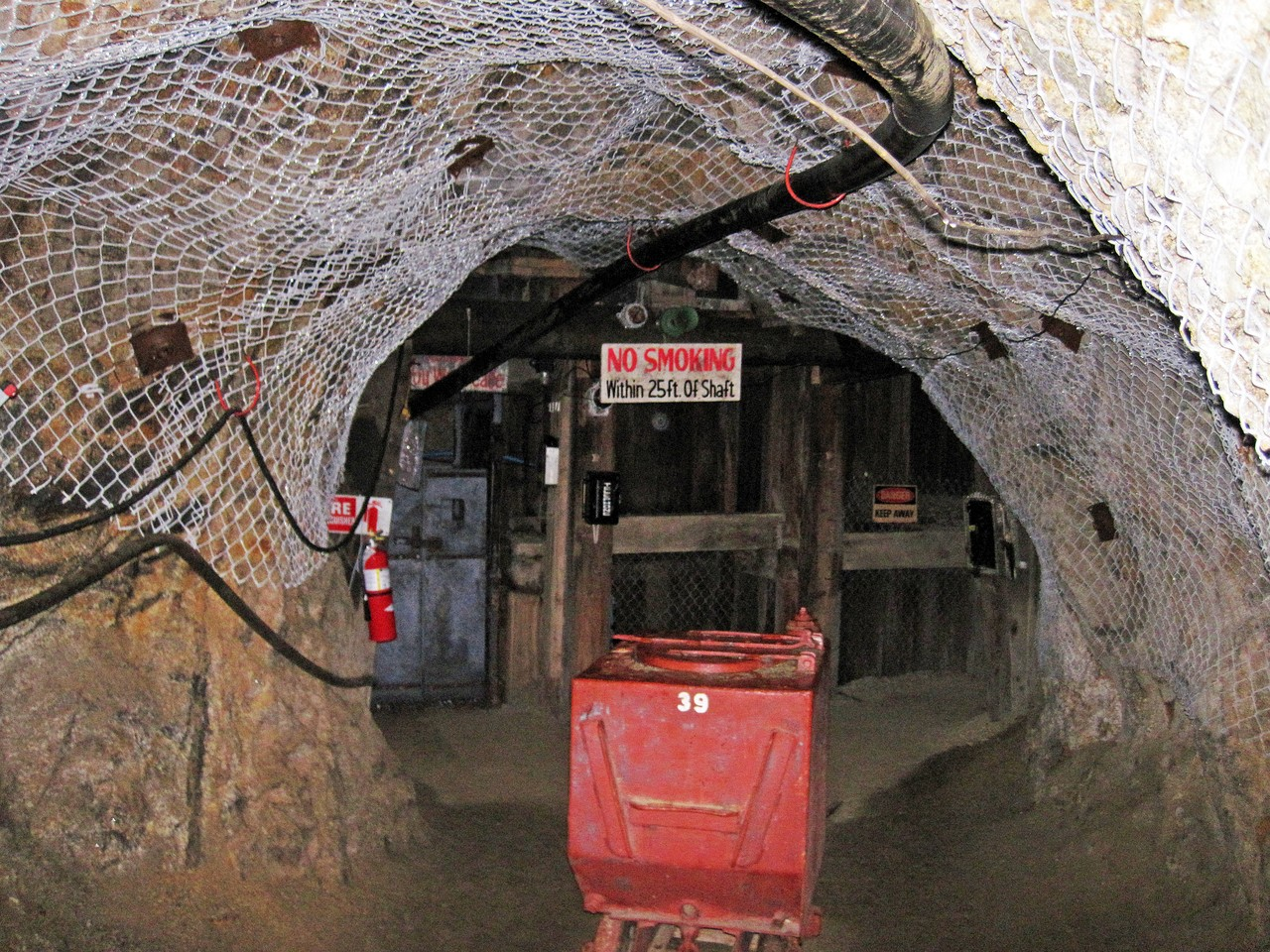
Are expansion shell, expansion sleeve and expansion bolt interchangeable?
Not automatically.
“Rock bolt” is a broad product family. “Expansion bolt” is also used broadly, and in construction it can refer to a different type of anchor altogether. “Expansion shell rock bolt” is more specific: it describes a mechanical rock reinforcement bolt that uses an expanding shell or anchor head to engage the borehole wall.
“Expansion sleeve” is less precise in commercial use. It may describe the expanding sleeve or shell element itself. Some suppliers may use it for a subassembly, while others may use it informally for the full bolt. The term should not be treated as a guaranteed synonym for either a component or a complete rock bolt unless the quotation makes that clear.
That is why the first buyer question is not “Which term is correct?” It is:
What product level does this term identify in your quotation?
A practical terminology map
The following table separates common terms by product level. Supplier terminology can vary, so the drawing and bill of materials remain controlling.
| Term | What it usually identifies | What the buyer should verify |
|---|---|---|
| Rock bolt / ground support bolt | A broad family of underground reinforcement elements | The specific bolt type, application and project reference |
| Expansion bolt | A broad commercial term that may describe a mechanical rock anchor or another expansion-type fastener | The intended application, product family and complete scope |
| Expansion shell rock bolt / mechanical rock bolt | A mechanical bolt system using an expansion shell or anchor head to engage the borehole | Whether the offer is a bar only, an anchor head or a complete assembly |
| Expansion shell / expansion shell anchor | The expanding head at the borehole end, often involving shell segments and a cone or wedge | Drawing, size, number of segments, mating components and borehole range |
| Expansion sleeve | A component-level term that may refer to an expanding sleeve or shell, but is not a universal name for a complete bolt | Whether the price covers one component, an anchor-head subassembly or the finished bolt |
| Bar, rod or bolt body | The steel body that carries load and connects to the anchor head and surface hardware | Length, diameter, end configuration, thread or connection details, material and finish |
| Plate, nut and washer | Surface hardware used to transfer load and secure the installed system | Whether each item is included, its drawing, dimensions, material and finish |
| Complete bolt or complete assembly | The supplier’s proposed set of components intended for installation | A line-item bill of materials, not just the phrase “complete” |
The CQ Rockbolt product description identifies an expansion shell, a cone or wedge mechanism, a threaded anchor rod, a plate and a nut as typical parts of an expansion shell anchor system. Configurations vary, so buyers should use the proposed product drawing rather than assuming every supplier’s assembly has the same components.
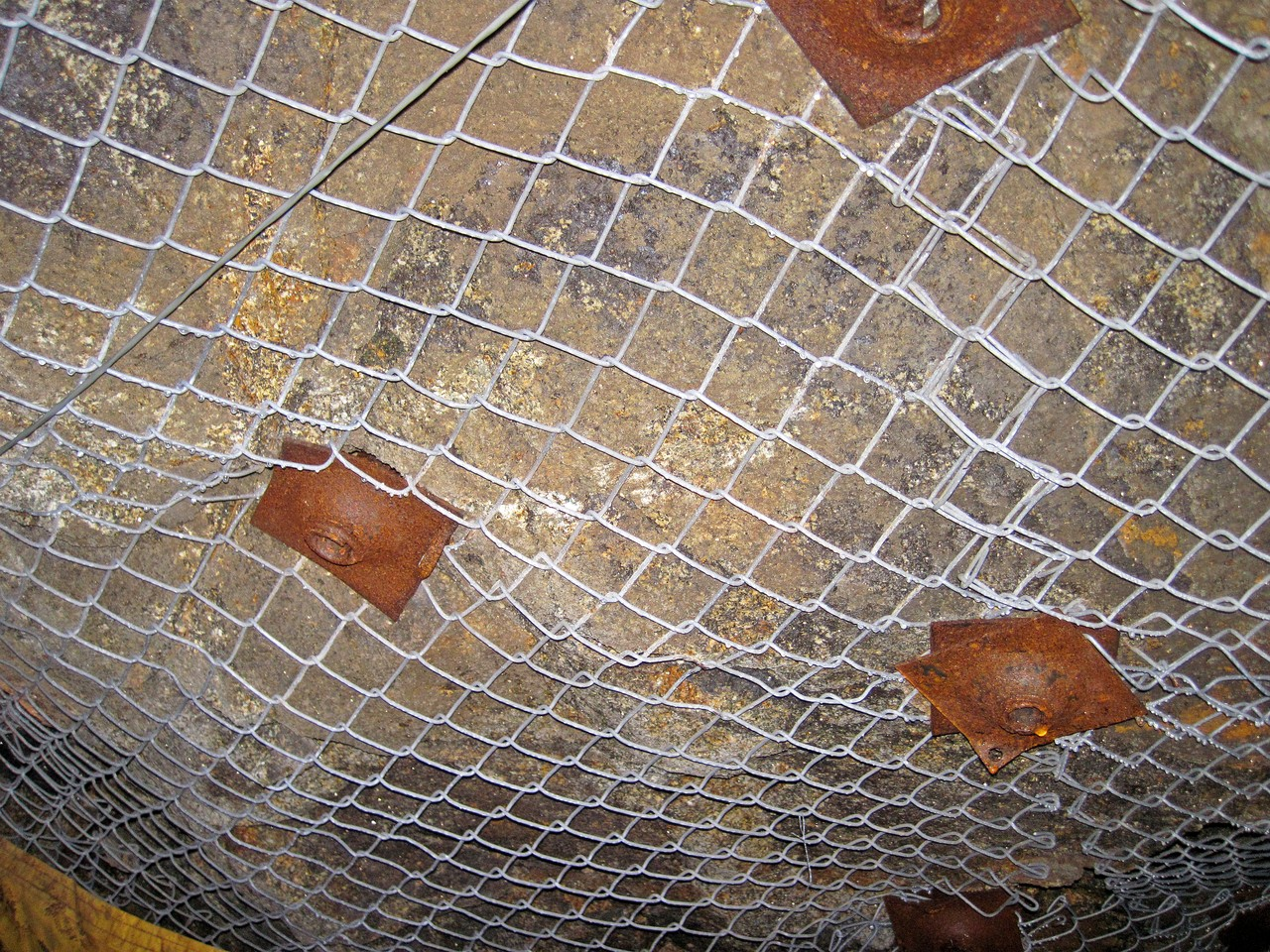
What does “complete” mean in a rock bolt quotation?
“Complete” is a commercial word, not a technical specification. Two suppliers can both offer a “complete expansion shell rock bolt” while including different hardware.
Separate every offer into four levels:
- Component level: A shell, wedge, bar, plate, nut or washer by itself.
- Anchor-head level: The expanding parts supplied as a matched subassembly.
- Complete bolt level: The bar and anchor head, plus the surface hardware and accessories defined in the quotation.
- Installed system level: The proposed combination reviewed against the borehole, installation method, equipment and project requirements.
A quotation can be technically clear at one level and incomplete at another. Pricing a shell does not prove that a matching bar is included. Supplying a bar and shell does not prove that the plate, nut, washer or required documents are included. A sample that fits together does not, by itself, establish suitability for the project.
For this reason, request a bill of materials with a separate line for each item, quantity and unit. Use the phrase “complete rock bolt assembly” only after the contents of the assembly have been listed.
Why a real RFQ line needs more than a product name
A public underground mining RFQ reviewed in October 2026 listed an item described as:
BOLT, 5/8 in x 24 in, PIGTAIL EYE, 1-3/8 in SHELL / 43 mm - 3,000 EA
The line contains valuable information, but it also shows why a supplier should not quote from the description alone.
- 5/8 in appears to identify a bar or bolt diameter, but the drawing should confirm what is measured.
- 24 in appears to identify length, but the measurement points and tolerances need definition.
- Pigtail eye describes an end configuration, but the exact geometry should be shown rather than inferred from a name.
- 1-3/8 in shell and 43 mm may refer to related nominal, shell or borehole dimensions, but their relationship should not be guessed.
- 3,000 EA states a quantity, but “each” could mean each bar, each anchor head or each complete assembly.
The example is useful because it combines a product name, fractional-inch dimensions, a metric dimension and a count unit in one line. Those details should be resolved on an approved drawing or clarification sheet.
When converting between inches and millimetres, use the project drawing or approved specification as the controlling value. Do not round a converted dimension and treat the result as an equivalent specification without technical approval.
Does the expansion shell match the bar?
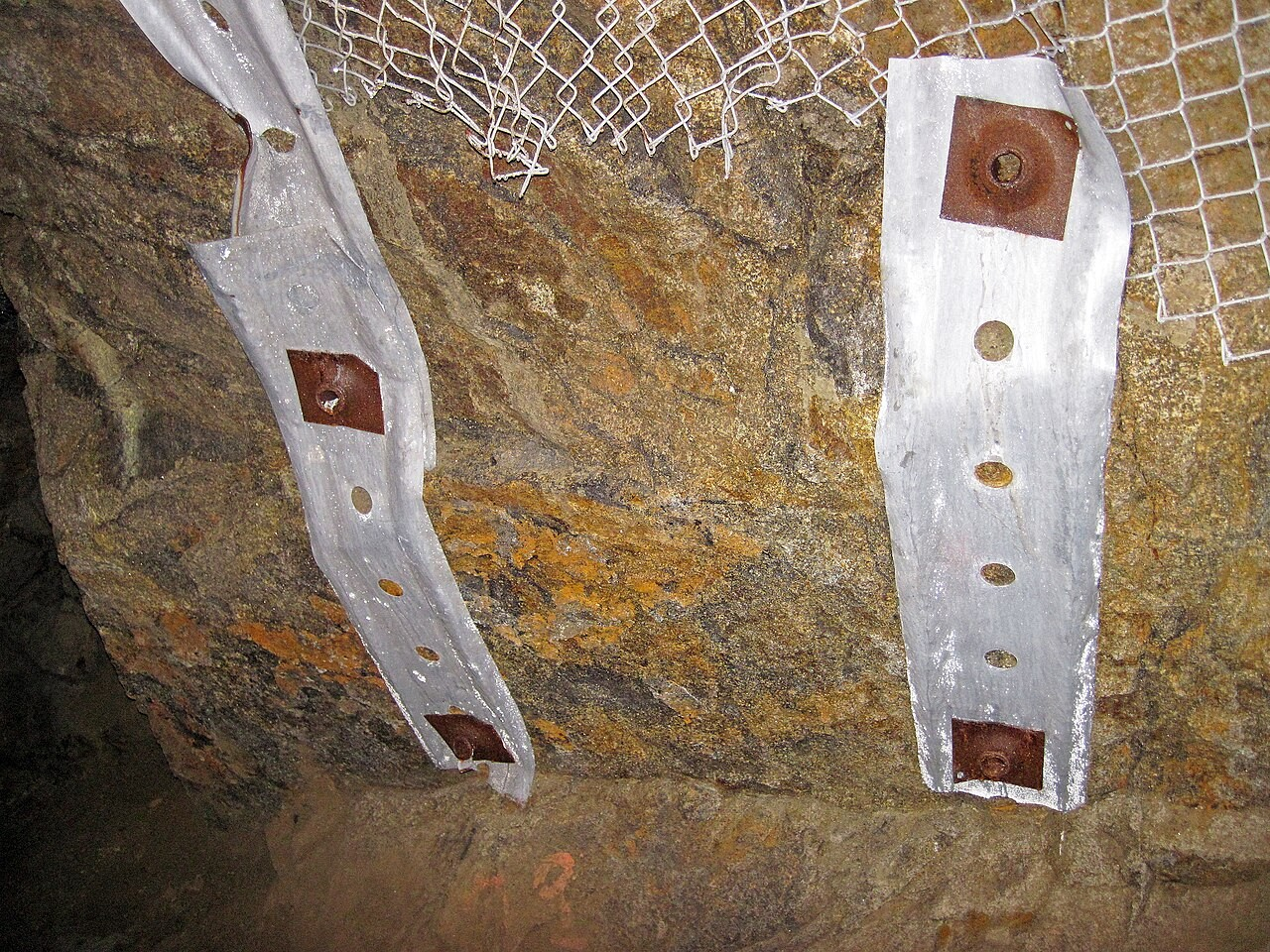
Nominal bar diameter is not enough to establish compatibility.
The supplier should identify the complete assembly relationship: which bar, which anchor head, which thread or end connection, and which plate and nut are proposed together. If the buyer is replacing an existing component, provide the approved part reference, drawing revision and photos or measurements of the current assembly.
Photos can help identify a part, but they do not replace critical dimensions. A component that can be threaded onto a bar is not automatically an acceptable substitute. The connection geometry, load path, materials and surface protection still need review.
For a deeper check of shell, bar and borehole information, see the related guide: Expansion Shell Rock Bolts: Shell, Bar and Borehole Checks Before Ordering.
How should buyers compare expansion bolt suppliers?
Compare offers on the same six lines.
| Comparison line | What to require from each supplier |
|---|---|
| Product identity | Product family, model, drawing number and revision |
| Supply scope | Itemized bill of materials, including shell, bar, plate, nut, washer and accessories |
| Dimensions and units | Diameter, length, end configuration, shell or borehole dimensions, tolerances and unit basis |
| Installation interface | Borehole information, installation method, equipment requirements and project conditions |
| Evidence | Applicable drawings, instructions, inspection records and report scope for the proposed configuration |
| Commercial terms | Quantity basis, packaging, delivery point, lead time, quotation validity and exclusions |
Do not compare a shell-only price with a complete assembly price. Do not compare a bar and shell offer with one that also includes plates, nuts, packing and inspection documents unless those differences are shown separately.
The supplier should also state every deviation from the RFQ. A response that says “equivalent” without identifying the proposed part, drawing and differences is not a comparable offer.
This approach is consistent with the wider direction of ground support equipment and consumables being presented as connected systems rather than isolated products. A 2026 industry report on integrated resin bolting, for example, describes equipment, resin systems, capsule injection and a bolt portfolio as one solution. The technologies differ from a traditional expansion shell bolt, but the procurement lesson is the same: the interfaces and scope boundaries must be defined before the components are treated as one system.
What should an RFQ include?
A useful RFQ should give every supplier enough information to quote the same product level.
Include:
- Project application, such as mine development, tunnel support or replacement of an existing assembly.
- Required product term, if already established by the project.
- Drawings, approved part references or detailed measurements, with revision numbers.
- Required bar, shell, plate, nut, washer and accessory scope.
- Quantity, unit and whether one unit means one component or one complete assembly.
- Borehole information available from the project, clearly identifying whether it is a design diameter, drill-bit size or measured hole.
- Installation method and equipment information where relevant.
- Surface protection, packaging, identification and document requirements.
- Delivery destination, required date, quotation validity and requested commercial terms.
Use this starting text:
We are requesting a quotation for expansion shell rock bolts for an underground mining application. Please confirm whether your offer covers the shell or anchor head only, a bar and shell subassembly, or a complete assembly. Attached are the proposed drawing or part reference, required dimensions and units, quantity, borehole information, surface protection and document requirements. Please provide an itemized bill of materials, identify all included and excluded items, list any deviations, and identify the drawing and product configuration covered by each technical document.
Clear wording does not require the buyer to guess what a supplier means by “sleeve,” “shell” or “complete.” It requires the supplier to answer.
Common red flags in expansion bolt quotations
Review the offer for these warning signs:
- The quotation gives a product name but no drawing, model or part reference.
- The price covers a shell or bar, but the bill of materials is missing.
- “Complete assembly” is used without listing the included components.
- Imperial and metric dimensions appear together without a controlling drawing or unit basis.
- Replacing an existing product is proposed without reviewing the current assembly or listing differences.
- A test report is offered without identifying the model, configuration, batch or test scope it covers.
- Delivery and quantity are quoted, but the unit definition and packaging are unclear.
- The supplier claims compatibility with equipment or another manufacturer’s system without providing the interface basis.
These issues do not automatically make an offer unacceptable. They do mean the technical and commercial scope is not yet clear enough for approval.
Send the line item, not just the product name
If your RFQ says “expansion sleeve” but the drawing shows an expansion shell, send both. If the description says “3,000 EA” but does not define whether each unit is a bar or a complete assembly, ask the question before approving the quotation. If an existing bolt is being replaced, provide the approved assembly reference and drawing revision.
CQ Rockbolt’s catalogue includes expansion shell mechanical rock bolts and expansion shell anchors. To confirm whether a proposed product scope fits an inquiry, send the RFQ line, drawing, quantity, borehole information and required document list through the CQ Rockbolt contact page.
Terminology becomes useful when it leads to a clear bill of materials, a controlling drawing and a quotation that can be reviewed on the same basis. Start with the scope, then compare the price.
Sources and notes
- Kumtor Gold Company, public RFQ for underground rock bolts and expansion sleeves, published October 26, 2026, and attached List of Goods and Materials. Used as an example of mixed terminology, units and quantity basis; the supplier example does not imply that CQ Rockbolt meets that RFQ’s requirements.
- CQ Rockbolt, Expansion Shell Mechanical Rock Bolt and Expansion Shell Anchor, accessed October 29, 2026. Used for the listed product category and typical component description only.
- CQ Rockbolt, Expansion Shell Rock Bolts: Shell, Bar and Borehole Checks Before Ordering, accessed October 29, 2026.
- Global Mining Review, Sandvik end-to-end resin bolting solutions for underground mining, URL dated October 1, 2026. Used only as general industry context for connected ground support systems.
Technical terminology, product availability, dimensions, materials, performance, testing and project suitability require confirmation by the customer’s technical reviewers. This draft does not certify that CQ Rockbolt supplies the exact configuration used in the public RFQ example.
Related News
Other news you might be interested in

Active vs. Passive Anchors: How to Choose the Right Ground Support System
A ground support system can fail for a simple reason: the team selected a product by name before deciding how the load should develop. Two anchors may look similar in a catalog, use the same diameter, and carry the same nominal steel grade, yet behave very differently underground. One is tensioned against the rock immediately after installation. The other begins to carry load only when the rock mass starts to move.That difference is what "active" and "passive" should describe. It is not a quality ranking. It is not a choice between modern and old-fashioned support. It is a choice about timing, displacement and load path.

How do concrete anchor bolts improve foundation stability?
A concrete anchor bolt is a small part of a foundation, but it decides whether the foundation and the structure above it behave as one system. The bolt does not make the concrete stronger or the soil stiffer. It provides a controlled load path between the steel structure, the base plate, the concrete, and—when the anchor is designed to reach it—the deeper ground.In this article, the term covers cast-in anchor rods, post-installed mechanical or adhesive anchors, and post-tensioned bars or strand anchors used to tie a structure or foundation element into concrete.That distinction is the key to answering the question. Anchor bolts improve foundation stability by resisting uplift, shear and overturning, maintaining clamping force, helping to distribute concentrated loads, and tying the foundation to a competent bearing stratum. They cannot compensate for an undersized footing, a poor subgrade, or a missing reinforcement detail.
Want to know more?
Get in touch with us for more information about our services and products.