

Mechanized Rock Bolting Compatibility: Bolt, Resin and Rig Interface Checks Before Standardization

Dayang Yang
AuthorWith over 15 years of experience in the production and sales of ground anchoring and mining support products, we operate our own rock bolt and accessory manufacturing facility with stable large-scale production capacity. We are specialists in rock bolts, resin cartridges, anchor cables, bearing plates, and customized ground anchoring products for mining support and geotechnical anchoring solutions.
A mine or tunnel contractor may decide to standardize on a mechanized bolting system for sound reasons: fewer consumable variants, more consistent installation, and a simpler procurement process. But a supplier's statement that a bolt or resin is "compatible" with a bolting rig is not a specification. It is a conclusion that should follow a line-by-line review of the rig, the bolt, the resin, the injection path, the control system and the site conditions.
This article is a buyer's checklist. It does not confirm that any particular CQ Rockbolt product is compatible with a named rig. It shows what to send, what to ask, and what evidence should be in the answer before a trial or fleet-wide standardization.
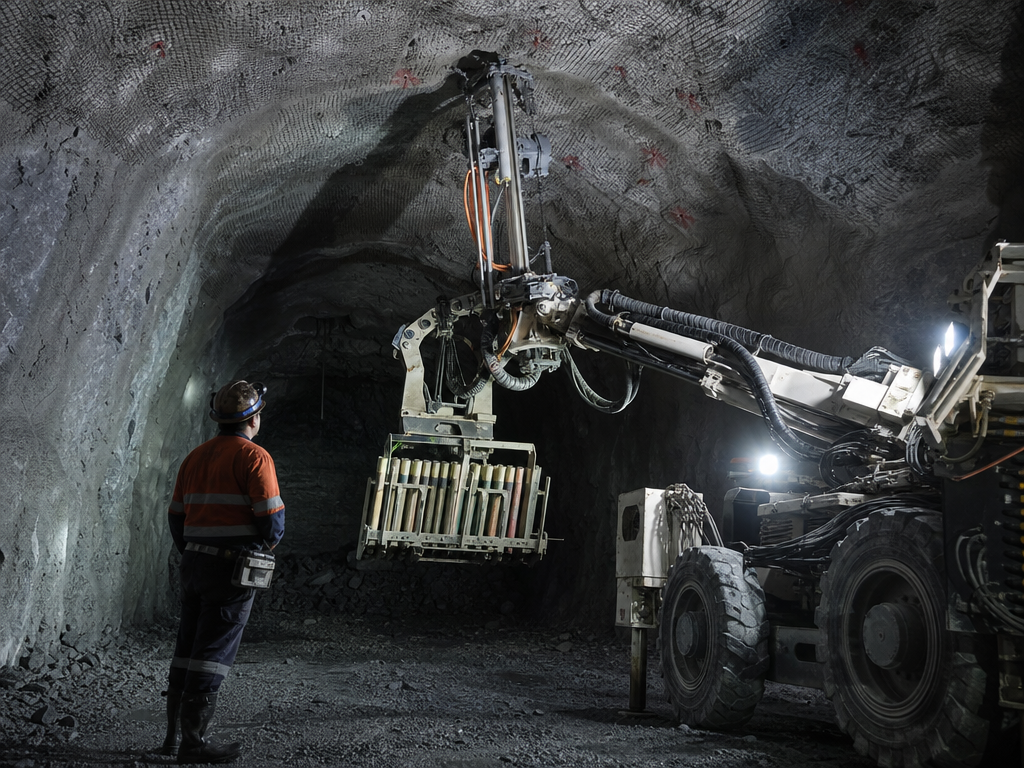
"Compatible" can mean three different things
In a mechanized rock bolting project, compatibility is often used to mean three different things:
- Dimensional fit. The bolt, coupler, plate, nut, resin cartridge or injection adapter can physically enter the intended position in the rig and the borehole.
- Installation fit. The rig can feed, hold, rotate, inject and complete the specified installation sequence without damaging the consumable or creating an unsafe manual step.
- Project acceptance. The installed system meets the project's design, testing and documentation requirements, not merely the supplier's catalogue description.
A product can satisfy the first test and fail the second. It can satisfy both and still fail the third. For that reason, a useful compatibility answer should be specific about which part of the interface has been checked.
Ask the supplier to mark each item as:
- Confirmed by the supplier
- Not confirmed
- Requires rig OEM confirmation
- Requires project technical review
That simple status column is more useful than a sentence such as "suitable for mechanized bolting."
Start with the rig and the cycle, not the bolt catalogue
The first input is not the bolt diameter. It is the rig configuration and the installation cycle the site intends to use.
Provide the rig make, model, configuration and available manual. Identify the boom or feed arrangement, the permitted bolt length range, the magazine or bolt-handling method, the rotation and torque capability, the control interface, and the utilities available at the face.
Then ask: Which rig configuration are we standardizing?
This matters because a mine may be standardizing in two different directions:
- one rig type across several sites or projects;
- one bolt-and-resin consumable across a mixed fleet.
Both require a matrix by rig. A consumable that works on one machine configuration should not be presented as approved for the whole fleet.
The buyer should also separate the rig decision from the support decision. The rig may be capable of installing a product, while the ground condition, approved design or project specification calls for a different bolt type. Compatibility with the machine does not replace support design.
Check the bolt as an interface, not only as a rock bolt
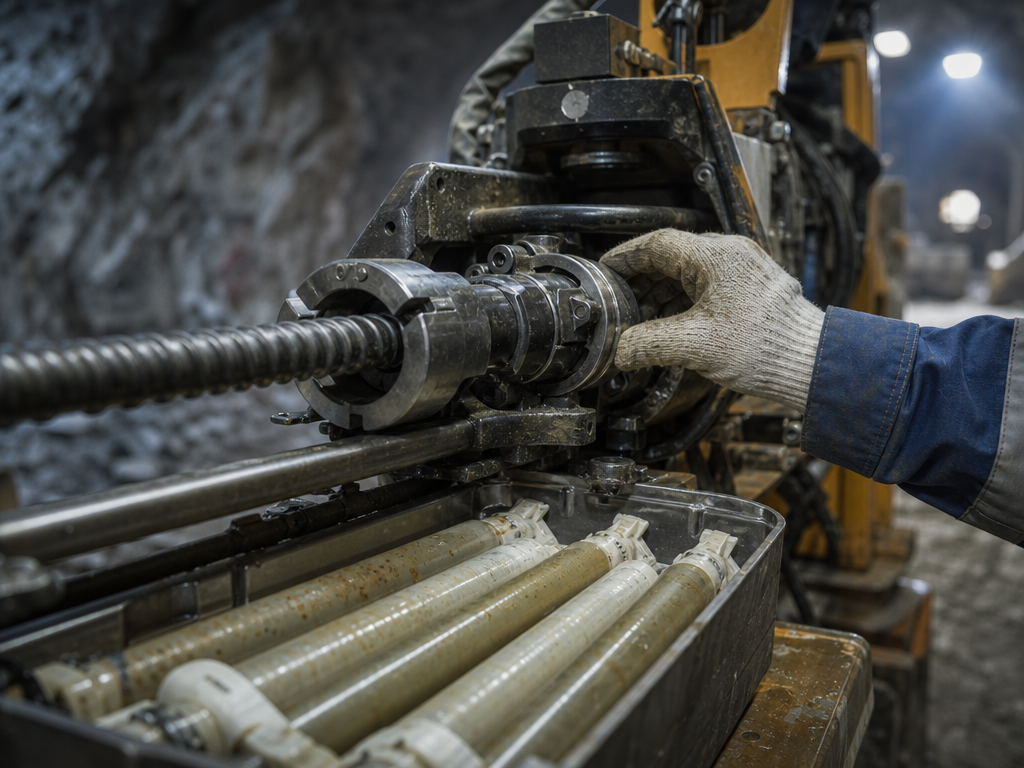
Once the rig is identified, review the bolt as an interface. The technical data should identify the bar type, diameter, length, thread, end configuration, coupler, plate, nut and any required adapter or drill bit.
For a self-drilling hollow bar, the review should also cover the internal bore, the sacrificial bit, the coupler and the grout or resin path. For a mechanical or combined bolt, it should cover the anchor, the thread, the plate and the nut. For a resin-anchored solid bar, it should cover the bar end and the method by which the cartridge or injection material reaches the intended bonded length.
Ask: Does the bolt fit the feed and magazine, not just the hole?
A bolt that matches the borehole can still be unsuitable for a rig if it is outside the feed length, cannot be handled by the magazine, has a thread or coupler that does not match the available adapter, or cannot be presented to the hole without a manual step the site does not permit.
The same principle applies to couplers. Matching a nominal thread name is not enough. The buyer should request the drawing, the thread definition, the mating component and the basis on which the pair has been checked. Similar names do not establish that two components form an approved assembly.
Separate the resin format from the bolt type
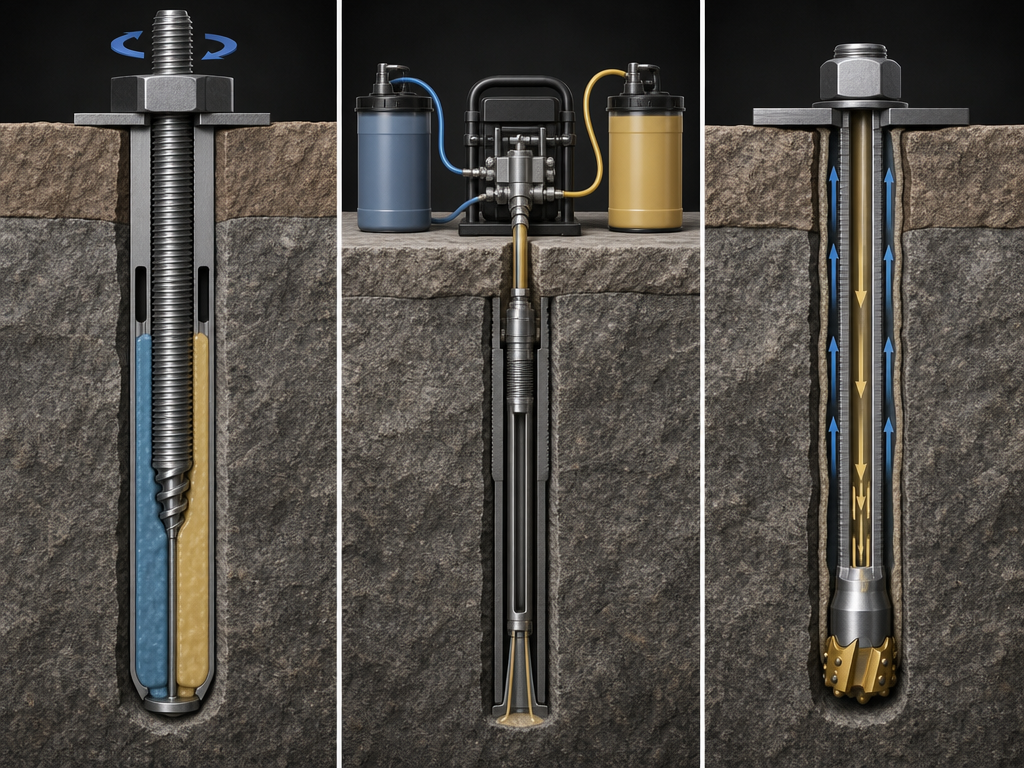
Resin compatibility is often discussed as if "resin" were one product. In mechanized bolting, at least three arrangements need to be separated:
- Resin cartridge or capsule. A pre-packaged two-component resin is placed in the hole and mixed by the rotating bolt or by an injection system.
- Pumpable resin. Two components are mixed and injected at the face, either before the bar is inserted or through a hollow or injection-equipped bar after it is in place.
- Self-drilling hollow bar. The bar is the drill string, a sacrificial bit remains downhole, and grout or resin is injected through the bar.
The third arrangement is not simply another resin. It is a drilling and support system that may use a cementitious grout or a pumpable resin. The buyer should separate the bar decision from the anchorage-material decision before comparing prices.
For the broader selection logic between these arrangements, see our guide to resin cartridges, pumpable resin and hollow-core bars.
For a cartridge system, confirm the cartridge diameter and length, the film or capsule construction, the gel, spin and hold times, the temperature at which those times apply, and the remaining shelf life at delivery. For a pumpable system, confirm the two-component ratio, injection pressure and volume, hose and adapter details, pot life, cleaning method and who supplies and maintains the pump.
Where the rig includes automatic capsule injection, ask how the capsules are fed, how the injection sequence is controlled and what happens if a capsule is damaged or misfed. Where the rig is intended for pumpable resin, ask whether the pump and control interface are part of the rig package, a separate unit, or a site-supplied item.
The following table is a starting point, not a support design:
| Site condition | More likely starting point | What the buyer should confirm |
|---|---|---|
| Stable hole, controlled diameter, rig with rotation and cartridge handling | Resin cartridge | Cartridge fit, film behaviour, gel/spin/hold time at site temperature, shelf life on arrival |
| Stable hole but oversize or irregular, high cycle volume, pump available | Pumpable resin | Pump ratio, injection pressure and volume, hoses and adapters, cleaning, pot life, supply responsibility |
| Hole will not stand | Self-drilling hollow bar | Bar and bit, coupler, grout path, injection material, corrosion protection |
| Mixed fleet or changing ground | More than one system, by rig and zone | Matrix by rig and ground condition, change-over procedure and training |
Ask: What exactly is being injected, with which equipment, and who supplies the pump, adapter and cleaning arrangements?
Check feed, magazine and handling
Mechanized bolting changes the handling problem. A consumable that is easy to install by hand may be difficult to feed, present or rotate in a rig. A bolt that performs well in a short test may create a handling problem when supplied in the lengths, bundles or packaging used for production.
Confirm the feed length, magazine capacity, bolt-handling method and the space available at the face. Check how couplers, plates, nuts and drill bits are presented to the rig, and whether any component must be assembled manually before or during the cycle.
Also check packaging and protection. Threads, coated surfaces, cartridge films and injection ports can be damaged in transport or storage. The buyer should ask how the product is packed, how it is identified, how it is protected from contamination, and how the site will store it between shifts.
Ask: Can the site handle the consumable at the required cycle time without damaging it or adding an unplanned manual step?
This is also a logistics question. A mine may have the right rig but insufficient storage, temperature control, resupply frequency or cleaning facilities for the selected resin system. Those conditions belong in the compatibility review, not in a separate commercial discussion after the order.
Check control, data and documents
The control interface is part of the product interface. Confirm whether the rig can store the required installation recipe, monitor rotation, feed, pressure, volume or time, and record the result against the bolt or batch. Ask what alarms or stop conditions the rig applies when the sequence is incomplete.
Data requirements are becoming more specific. Some major suppliers are moving toward integrated rig, resin and bolt packages, and toward instrumented bolts that can report consumed capacity or installation data. Sandvik has described an end-to-end resin bolting offer that combines rigs, pumpable resin, automatic capsule injection and bolts , and has introduced xCell Banshee and Hydra for digital ground-support monitoring. Normet's HX-Bolt combines mechanical and frictional anchorage with optional resin or grout encapsulation . These developments show why buyers are asking more interface questions; they do not prove that one supplier's system is interchangeable with another.
The Ground Support 2026 programme in Brisbane (17–19 November 2026) also reflects the same direction: mechanised support installation, in-situ support capacity and degradation, instrumentation and monitoring, pumpable resin and smart bolts are all on the agenda. The practical lesson for a buyer is not to chase the newest label. It is to ask what data the system will produce, who will review it, and whether the project accepts it.
The document package should match the interface review. Ask for:
- the proposed product drawing and bill of materials;
- the installation instructions for the exact configuration;
- the resin technical data sheet and safety data sheet, where applicable;
- the compatibility matrix, with open items identified;
- available test or inspection records for the proposed product and assembly;
- training, commissioning and spare-parts arrangements;
- the name of the person or organization responsible for each open item.
Ask: What will the rig record, who will accept the record, and which document proves the proposed interface?
Define the trial before the first bolt
A trial is not a demonstration. It is a controlled comparison against agreed criteria.
Before the trial, define the rig configuration, the ground condition, the bolt and resin batch, the borehole condition, the installation sequence and the number of bolts to be installed. Record the settings used and the observations made during installation. Include the installation time, any manual intervention, any damaged consumable, any deviation from the procedure and any incomplete injection or mixing indication.
The acceptance criteria should come from the project's technical team, not from the supplier alone. The buyer should ask in advance: What would make the trial fail?
That question matters because a successful trial can be misinterpreted. One shift of good results does not prove that the system is suitable for a different rock mass, a different rig configuration or a different operator. Fleet-wide standardization should follow a defined review of the trial records, not a verbal report from the face.
Put the answers in a compatibility matrix
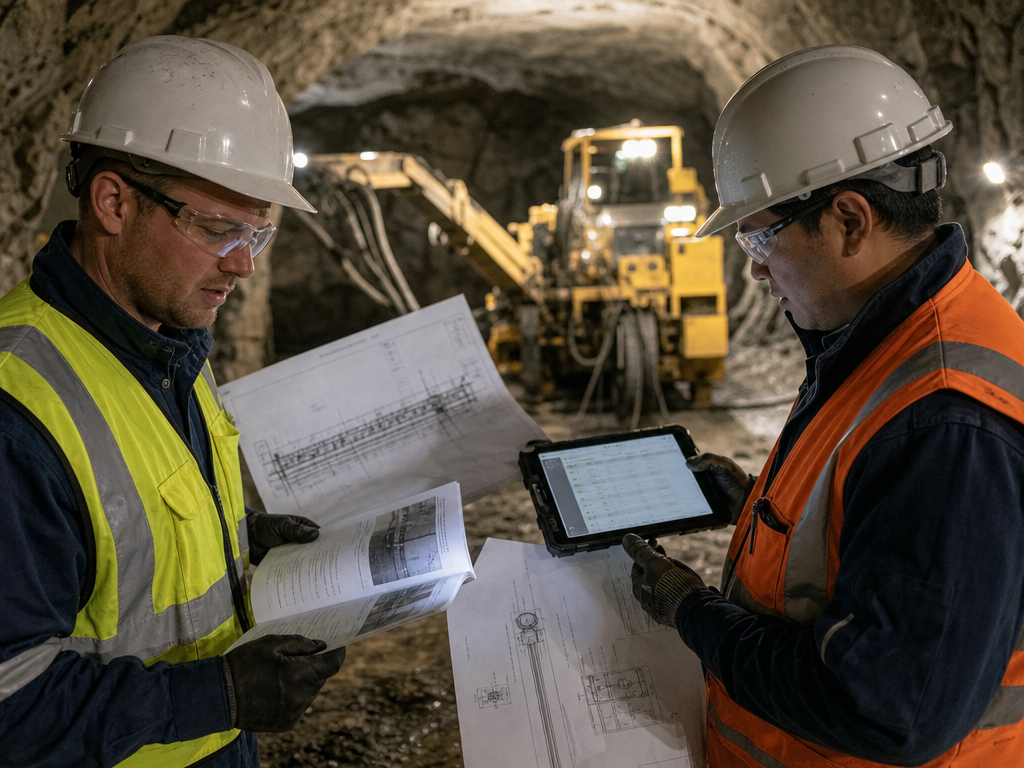
A compatibility matrix turns a broad claim into a set of decisions. It also makes it easier to see which items are still open before a purchase order is placed.
| Interface | Information the buyer provides | What the supplier should confirm | Evidence or status |
|---|---|---|---|
| Rig | Make, model, configuration, feed, magazine, rotation, control, utilities | Which rig configuration has been reviewed | Manual reference; confirmed / not confirmed |
| Bolt | Drawing, diameter, length, thread, end, coupler, plate, nut | Exact proposed product and dimensional fit | Drawing and bill of materials |
| Resin | Cartridge or pumpable format, temperature, gel/set requirements, shelf life | Proposed resin, ratio, timing and storage conditions | TDS and SDS |
| Injection | Pump, injection head, hose, adapter, cleaning method | Whether the proposed arrangement is complete and who supplies each item | Interface drawing and supply list |
| Feed and handling | Bolt length, bundle, magazine, face access | Whether the rig can feed and present the product without an unplanned manual step | Rig manual and trial plan |
| Control and data | Required recipe, records, alarms and acceptance data | What the rig can record and what the supplier can provide | Control description and sample record |
| Documents and training | Project documents, language, reviewers, training needs | Which documents, training and spares are available | Document list and named owner |
| Commercial | Quantity, delivery point, schedule, packaging | What is included, excluded or priced separately | Quotation with deviations |
The matrix should be completed for each rig type and each ground condition that will be standardized. A single row marked "compatible" is not enough.
For the commercial fields that sit around this matrix, use the rock bolt RFQ checklist to keep quantities, documents, delivery and exclusions visible.
Do not accept these claims without evidence
Some statements should trigger a request for the underlying interface review:
- "Compatible with all [brand] rigs." Ask for the model, configuration and interface that were checked.
- "One resin works at every temperature." Ask for the tested temperature range and the installation time at the site's conditions.
- "The thread is the same, so the system matches." Ask for the drawing, mating component and assembly check.
- "Pumpable resin is always faster." Ask for the complete cycle, including pump set-up, cleaning, maintenance and material logistics.
- "A successful trial approves the fleet." Ask which rig, ground condition and operator were included, and what the acceptance criteria were.
- "We supply the complete system." Ask for the bill of materials and identify every item that is buyer-supplied, optional or excluded.
These questions are not adversarial. They protect both sides from a price comparison that hides a missing adapter, an untested resin format or an installation step that the site cannot perform.
Next step
Before standardizing a mechanized rock bolting system, send the supplier a single review package:
- rig make, model, configuration and manual;
- bolt drawing, length, thread and required components;
- resin format, technical data and storage conditions;
- pump, injection head, hose and adapter details;
- ground condition, borehole information and site temperature range;
- required quantity, delivery point and project documents;
- the trial plan and acceptance criteria.
For an enquiry to CQ Rockbolt, include the bolt and anchoring requirements together with the rig details. We will review the products within our supply scope, mark what can be confirmed from our drawings and documents, and identify what still requires confirmation from the rig OEM or the project technical team. If your site is standardizing on a pumpable resin system, say so early: we will confirm what we can supply within that system rather than substitute a cartridge for it.
The goal is not to obtain a one-word compatibility statement. It is to reach a documented position on every interface before the first production shift.
Related News
Other news you might be interested in

Self-Drilling Anchor Bolts for Water-Conveyance Tunnel Reinforcement
Self-drilling anchor bolts are useful for water-conveyance tunnel reinforcement when broken or water-bearing ground makes conventional drill-and-insert bolting difficult. By using a hollow threaded bar as both the drilling member and the permanent reinforcement, the system removes the separate bolt-insertion step and provides a channel for grouting through the same bar.For a water-conveyance tunnel, that installation advantage matters. Headrace, tailrace, diversion, irrigation and water-supply tunnels can pass through fault zones, weathered rock, weak interlayers and interconnected fractures. Groundwater may enter the excavation, boreholes may deteriorate after drilling, and support must be coordinated with drainage, waterproofing and the final lining.

What Is a Split Set Mining System and How Is It Different from Other Rock Bolts?
A split set is often described as a rock bolt, but in mining it is more useful to think of it as a support system. The steel tube is the most visible part. The way it performs also depends on the drilled hole, the bearing plate, the installation adapter, the drilling equipment, the surface support and the checks made underground. That distinction matters when a project compares rock bolts. Two quotations can list a similar diameter and length, yet propose different load-transfer mechanisms, different hole requirements and different installation procedures. A split set is not a resin bolt with the resin removed. It is not a mechanical expansion-shell bolt, a self-drilling hollow bar, a water-inflatable tube or a cable bolt. Each product family solves a different part of the ground-support problem.
Want to know more?
Get in touch with us for more information about our services and products.