

Hidden Risks Between Bolts: The Overlooked Ground-Fall Hazard That Rock Bolts Alone Cannot Prevent

Dayang Yang
AuthorWith over 15 years of experience in the production and sales of ground anchoring and mining support products, we operate our own rock bolt and accessory manufacturing facility with stable large-scale production capacity. We are specialists in rock bolts, resin cartridges, anchor cables, bearing plates, and customized ground anchoring products for mining support and geotechnical anchoring solutions.
Summary
As underground mines, tunnels, and deep roadways continue to extend into more complex geological conditions, the focus of ground support is shifting from the strength of individual rock bolts to the stability of the entire support system. In many engineering sites, rock bolts can effectively control deep rock deformation, but loose surface rock, bedding separation, and localized falls between bolts may still become weak points in safety management. Industry practice shows that the coordinated use of rock bolts, steel straps, wire mesh, plates, and shotcrete is becoming a key direction for improving underground safety and long-term stability.
Deeper Mining Is Making Ground-Fall Risks More Complex
In recent years, mining operations have continued to move deeper underground, and the surrounding rock conditions of roadways have changed significantly. High ground stress, fractured zones, weak interlayers, groundwater, and frequent mining-induced disturbance make the rock mass behave in a more complex way.
In traditional support design, rock bolts are often regarded as the core material for controlling ground stability. They connect fractured shallow rock layers with more stable deep rock, improving the overall bearing capacity of the surrounding rock. However, in actual underground roadways, risks do not only come from large-scale instability. Many safety incidents are caused by smaller and more hidden local rock falls. These may occur between two bolts, at roof fracture intersections, along sidewall spalling areas, or in zones where mesh coverage is insufficient.
Such risks are sudden, difficult to predict, and easy to overlook. Even when the rock bolts themselves are properly installed, loose surface rock may still fall due to vibration, weathering, water seepage, or equipment disturbance if the support system does not cover the gaps between bolts.
Why Qualified Rock Bolts Do Not Always Mean Complete Support
The main function of rock bolts is to anchor and reinforce the rock mass, but they are essentially point-based or line-based support elements. Rock bolts are important for controlling deep fractures, reinforcing the surrounding rock, and forming a load-bearing structure. However, for small rock blocks, loose slabs, and shallow surface peeling between bolts, rock bolts alone may not provide continuous restraint.
This hidden risk becomes more serious under the following conditions:
Roof Areas with Developed Fractures
When joints and fractures are dense, the surface rock may form small blocks, slabs, or wedge-shaped structures. These rock blocks may not be directly controlled by the installed bolts. Once affected by vibration or stress release, they may fall from the spaces between bolts.
Weak and Broken Ground
In soft rock, mudstone, coal seam roofs, or weathered rock layers, the surface integrity of the surrounding rock is often poor. Rock bolts can provide deep anchorage, but the shallow rock surface still requires continuous coverage and surface support to prevent peeling and falling.
Excessive Bolt Spacing or Uneven Installation Quality
On some construction sites, in order to increase advance rates or reduce material costs, bolt spacing may be too large, plates may not fit tightly against the rock surface, or mesh overlaps may not be properly installed. These details can weaken the continuity of the support system.
Industry Trend: From Individual Bolt Strength to Systematic Ground Support
Today, underground safety management is moving from a material-strength approach to a system-performance approach. In other words, project owners are not only concerned about the tensile strength, anchoring force, and installation efficiency of rock bolts, but also about how well rock bolts work together with mesh, steel straps, plates, nuts, cable bolts, and shotcrete.
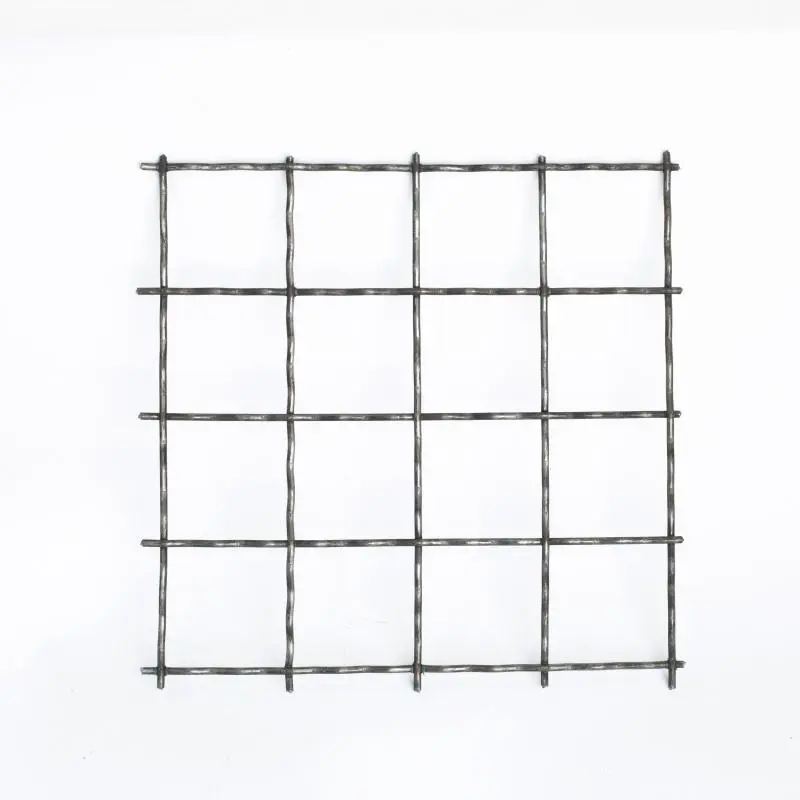
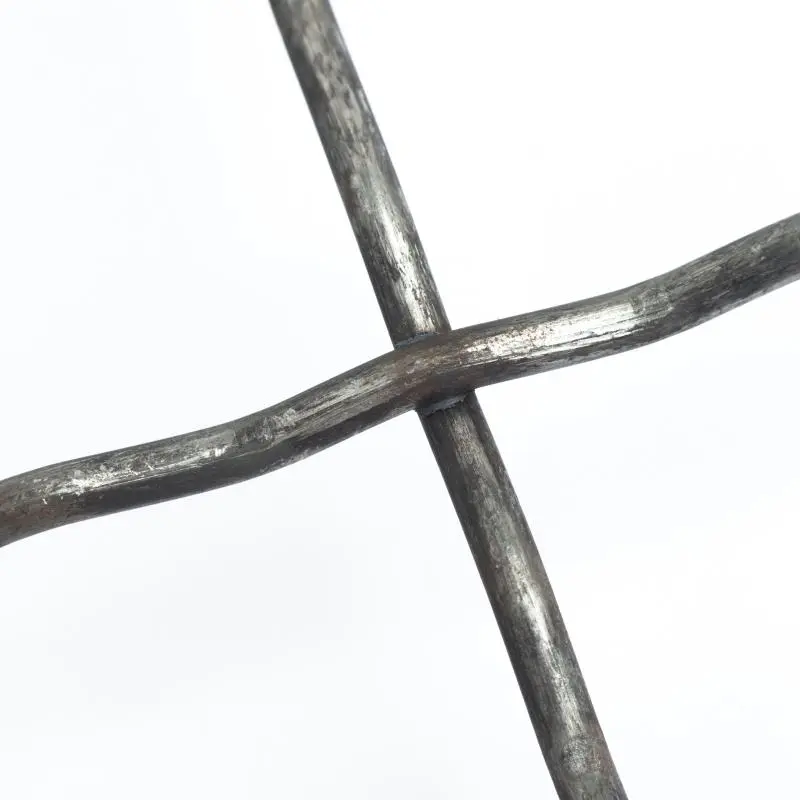
Against this background, surface support materials are becoming increasingly important. For example, CQ Rockbolt’s Mining Wire Mesh can be used together with rock bolts, plates, and shotcrete to provide continuous restraint for loose surface rock in underground roadways. Compared with point-based anchoring alone, wire mesh helps cover the unsupported spaces between bolts and reduces the risk of small rock falls, sidewall spalling, and surface peeling. It is suitable for mine roadways, tunnel primary support, slope reinforcement, and other underground engineering applications.
 |  |
|---|
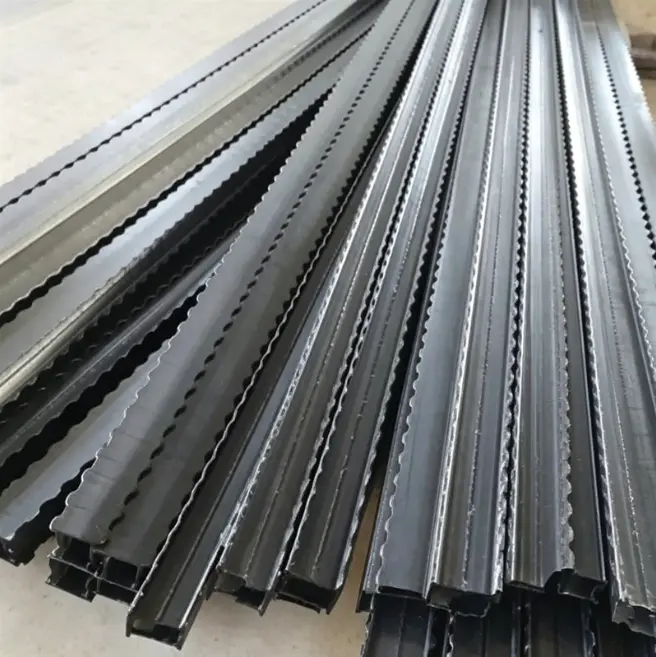
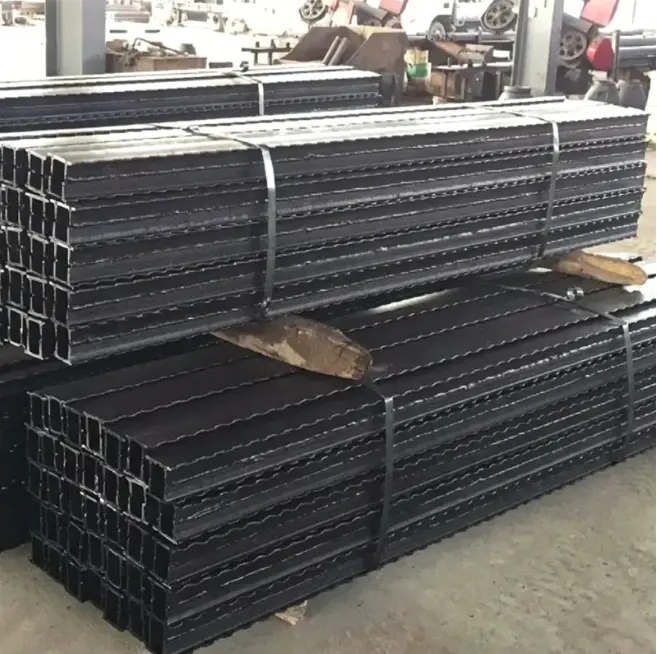
For layered roofs, fractured zones, or areas requiring stronger load continuity, steel straps also play an important role. CQ Rockbolt’s W-Shaped Steel Strap / Mining Support Steel Strap can be used with rock bolts to connect separate anchoring points into a continuous load-bearing structure, helping improve stress distribution between bolts. In coal mine roadways, tunnel projects, and underground chamber reinforcement, steel straps can improve the overall performance of the support system instead of allowing each bolt to work independently.
 |  |
|---|
The Risk Between Bolts Is Essentially a Continuity Problem
From an engineering perspective, the risk of rock falling between bolts does not necessarily mean that the rock bolt has failed. More often, it means that the support boundary has not formed a complete and continuous protective system.
Rock bolts are responsible for holding the deeper rock mass. Wire mesh helps retain loose shallow rock. Steel straps connect separated anchoring points. Plates and nuts transfer support force effectively to the rock surface.
When these components work together, the support system can move from point control to surface restraint and integrated load bearing. On the other hand, if a site only focuses on bolt quantity and bolt strength while ignoring mesh overlap, steel strap layout, plate contact, and installation quality, shallow ground-fall risks may continue to exist.
What This Means for Mining and Tunneling Projects
For underground mining and tunneling contractors, future support design should not only ask whether the rock bolts are strong enough. It should also evaluate the following questions:
- Are there loose rock blocks in the spaces between bolts?
- Are there bedding planes, fractures, or spalling signs on the roof or sidewalls?
- Is wire mesh required to provide continuous surface protection?
- Are steel straps needed to connect separate anchoring points into an integrated structure?
- Can the support system withstand long-term humidity, corrosion, and mining-induced disturbance?
Only when these questions are included in the design and inspection process can hidden risks between bolts be effectively reduced.
Conclusion
Ground-fall hazards do not always come from large-scale instability. In many cases, they are hidden in small fractures, loose rock slabs, and unsupported areas between bolts. As underground projects move toward deeper, higher-stress, and more complex geological environments, a single support material is no longer enough to meet long-term safety requirements.
In the future, the systematic combination of rock bolts, wire mesh, steel straps, plates, and other support accessories will become essential for improving the stability of mine roadways and tunnel projects. For engineering procurement and construction management, a reliable support solution is not just about selecting a stronger rock bolt. It is about building a continuous, controllable, and verifiable safety barrier between every anchoring point.
 |  |
|---|
Related News
Other news you might be interested in

Deep Mining & Long-Service-Life Tunnel Support: Key Factors for Rock Bolt Corrosion Protection and Long-Term Durability
A buyer can receive two quotations for “corrosion-resistant rock bolts” and still be unable to compare them. One may refer to a galvanized bar. Another may include epoxy-coated bars, sealed couplers, protected anchor heads, and a specified grout cover. Both descriptions sound protective, but they do not cover the same parts of the support system or provide the same kind of evidence.

Threadbar Coupler Compatibility: Drawings, Threads and Test Evidence Before Ordering
A threadbar coupler can look like a straightforward steel sleeve with a thread at each end. In practice, compatibility depends on the bar system, the complete joint arrangement and the evidence supplied for the exact product.A matching nominal diameter is not enough. Similar-looking couplers may use different thread forms, tolerances, engagement lengths or material conditions. They may also serve different purposes in a prestressing anchor, a mechanical reinforcement splice or another load-carrying assembly.Before accepting a quotation, establish what the coupler connects, which drawings control the joint and what the test report actually proves. These checks help buyers compare offers on the same technical basis.
Want to know more?
Get in touch with us for more information about our services and products.