

Broken Surrounding Rock Treatment Enters the Era of Systematic Support, with Rock Bolts, Mesh, and Steel Straps Working in Coordination

Dayang Yang
AuthorWith over 15 years of experience in the production and sales of ground anchoring and mining support products, we operate our own rock bolt and accessory manufacturing facility with stable large-scale production capacity. We are specialists in rock bolts, resin cartridges, anchor cables, bearing plates, and customized ground anchoring products for mining support and geotechnical anchoring solutions.
Abstract
As deep mining continues, fractured fault zones, weak surrounding rock, and high-stress roadways are becoming increasingly common. Rock stability control is shifting from isolated reinforcement to systematic support. Industry practice shows that relying on rock bolts alone can no longer meet the combined demands of load-bearing, surface containment, and deformation control. Only by integrating rock bolts, wire mesh, and steel straps into a complete support system can mines more effectively restrain the expansion of the loosened zone, reduce spalling and roof falls, and improve long-term roadway stability.
More Complex Ground Conditions Require an Upgraded Support Approach
In recent years, mines and tunnel projects have been facing increasingly complex geological conditions. Fractured surrounding rock often has poor self-supporting capacity and is highly prone to local instability, roof separation, and sidewall slabbing under the effects of mining disturbance and stress redistribution. In such conditions, conventional reactive reinforcement methods often lag behind rock deformation, leaving potential safety risks.
More and more projects in the industry are emphasizing proactive and integrated support, establishing a continuous load-bearing structure as early as possible after excavation to shorten the exposure time of the surrounding rock. This means support is no longer the result of a single material, but the coordinated action of multiple components.
From Point Support to Integrated Bearing, Systematic Support Is Becoming the Mainstream
In a systematic support structure, rock bolts transfer the bearing capacity of stable deep rock to the shallow surrounding rock, wire mesh restrains loose surface fragments, and steel straps connect individual bolts into a surface-wide structure, preventing excessive localized stress. Together, these elements transform the support system from point support to line support and then to face support, helping distribute surrounding rock pressure more evenly.
This coordination is the core of the upgrade in fractured surrounding rock treatment. It not only improves resistance to deformation, but also makes the support system more suitable for mechanized installation and standardized construction, reducing quality fluctuations caused by differences in manual experience.
Product Application: Wire Mesh and Steel Straps Complete the Support System
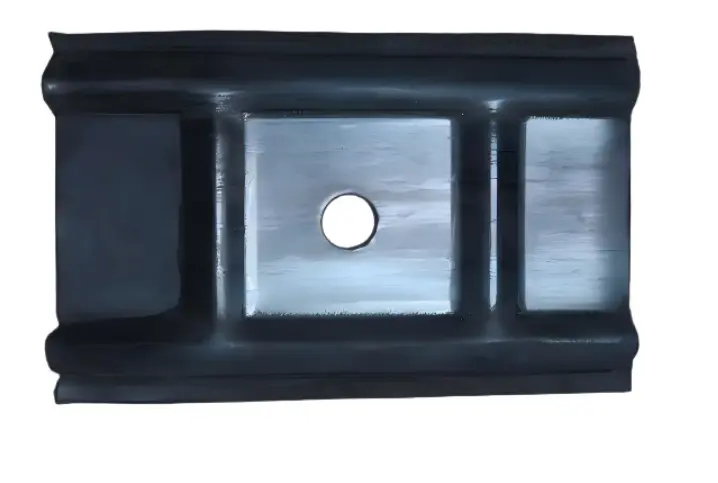
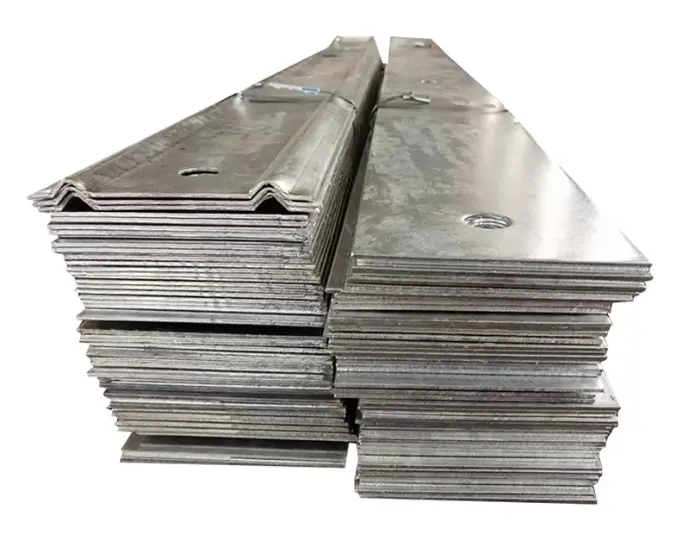
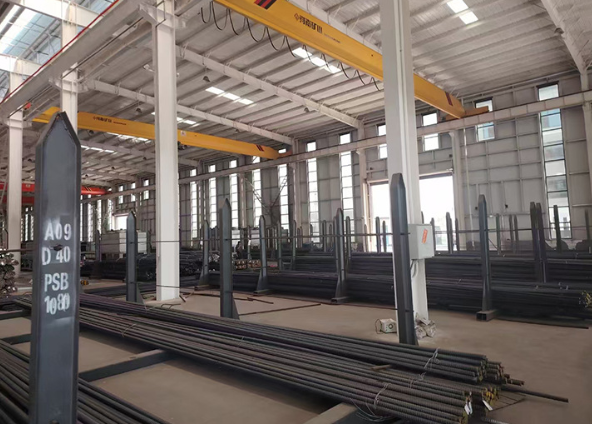
In practical applications, W-Shaped Steel Strap / Mining Support Steel Strap plays the role of connection and load distribution. Its W-shaped cross-section links scattered bolts into an integrated structure, helping the roof and sidewalls bear loads more evenly. It is especially suitable for fractured zones, soft rock sections, and areas with significant roadway deformation.
 |  |
|---|
W-Shaped Steel Strap / Mining Support Steel Strap
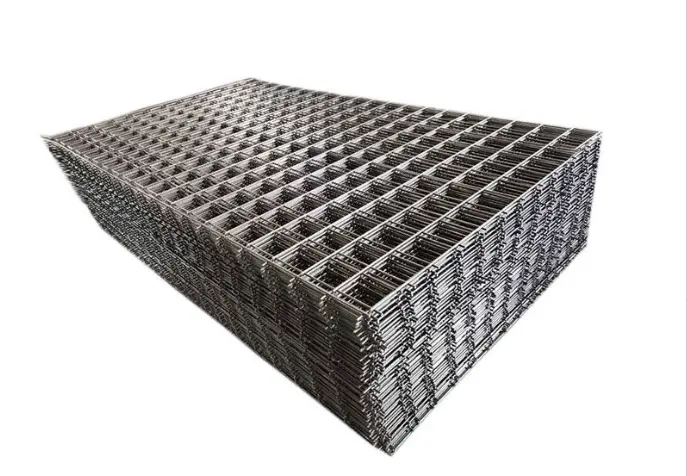
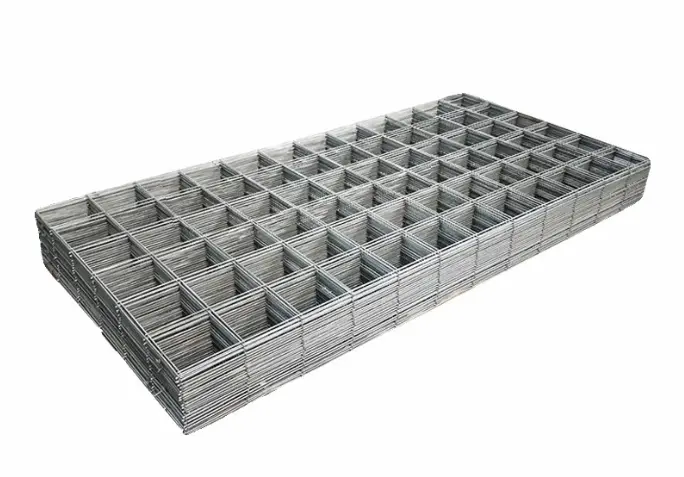
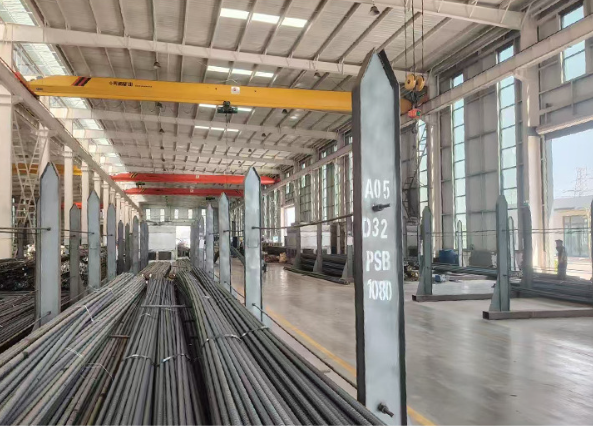
At the same time, Welded Wire Mesh / Construction Welded Mesh / Mining Welded Mesh provides surface containment and prevents rock fragments from falling. It effectively covers loose rock surfaces and forms a continuous protective layer together with rock bolts and steel straps. For fractured surrounding rock, this combined approach of anchoring, containment, and reinforcement is often more stable than using a single component, and it also better meets the needs of rapid site installation.
 |  |
|---|
Welded Wire Mesh / Construction Welded Mesh / Mining Welded Mesh
Industry Trend: Faster Construction, Stronger Safety Margin
From an industry perspective, future support solutions will continue to move toward standardization, rapid installation, and mechanized construction. Contractors must pay attention not only to material strength, but also to system compatibility, installation efficiency, and long-term maintenance costs. Especially in deep mines and complex strata, the goal of support is no longer simply to hold the rock in place, but to maintain stability throughout the full mining cycle.
 |  |
|---|
Related News
Other news you might be interested in

Ground Support in Weak and Fractured Rock: How to Select Rock Bolt Systems for Mining and Tunneling
In underground mining, tunneling, slope excavation, and foundation pit construction, ground stability does not depend only on the strength of an individual rock bolt. Where the ground contains developed joints and fractures, loose rock, unstable boreholes, significant groundwater, or strong excavation disturbance, a single rock bolt support measure may not provide every required support function. A reliable ground support system must consider ground conditions, support objectives, equipment capacity, borehole stability, grouting procedures, system accessories, and long-term durability. Project teams can review the available systems in the CQ Rockbolt product center before selecting a solution that matches the actual site conditions, rather than choosing only by product name or rated capacity.

Why Does the Mining Industry Use Self-Drilling Anchors?
As underground mining moves into deeper and more complex areas, ground stability has become a critical factor affecting both safe production and development efficiency. Fractured rock, fault zones, high in-situ stress, groundwater, and ongoing mining-induced disturbance can all cause deformation or loosening at roadway roofs, sidewalls, and intersections. The objective of modern mining ground support is not simply to address local instability, but to create a stable working environment for mining, haulage, and ventilation through reliable rock reinforcement solutions.
Want to know more?
Get in touch with us for more information about our services and products.