

Key Fasteners Used in Mining Machinery: What You Need to Know

Dayang Yang
AuthorWith over 15 years of experience in the production and sales of ground anchoring and mining support products, we operate our own rock bolt and accessory manufacturing facility with stable large-scale production capacity. We are specialists in rock bolts, resin cartridges, anchor cables, bearing plates, and customized ground anchoring products for mining support and geotechnical anchoring solutions.
In the mining industry, small components often carry the biggest weight. One such component? Fasteners. Whether it’s holding together massive drilling rigs, securing pump systems, or reinforcing conveyor structures, fasteners are essential to mining machinery.
This article walks you through the key fasteners used in mining and takes a deep dive into the growing demand for custom fasteners in the industry. We’ll also explore how quality fasteners reduce downtime, improve safety, and boost efficiency.
Why Are Fasteners Critical in Mining?
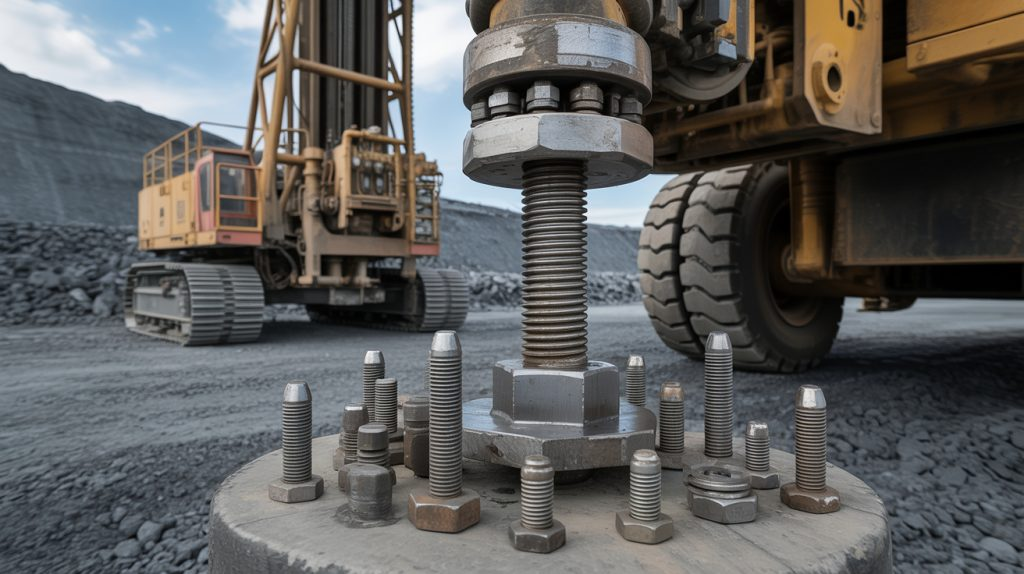
Fasteners ensure mining equipment’s structural integrity and safe operation, even in extreme environments. From high vibration to corrosive exposure, mining machinery demands fastening systems to withstand it all. The mining, oil, and gas fastener market has grown rapidly because secure, reliable connections aren’t optional—they’re operational lifelines.
Heavy-Duty Applications for Mining Fasteners
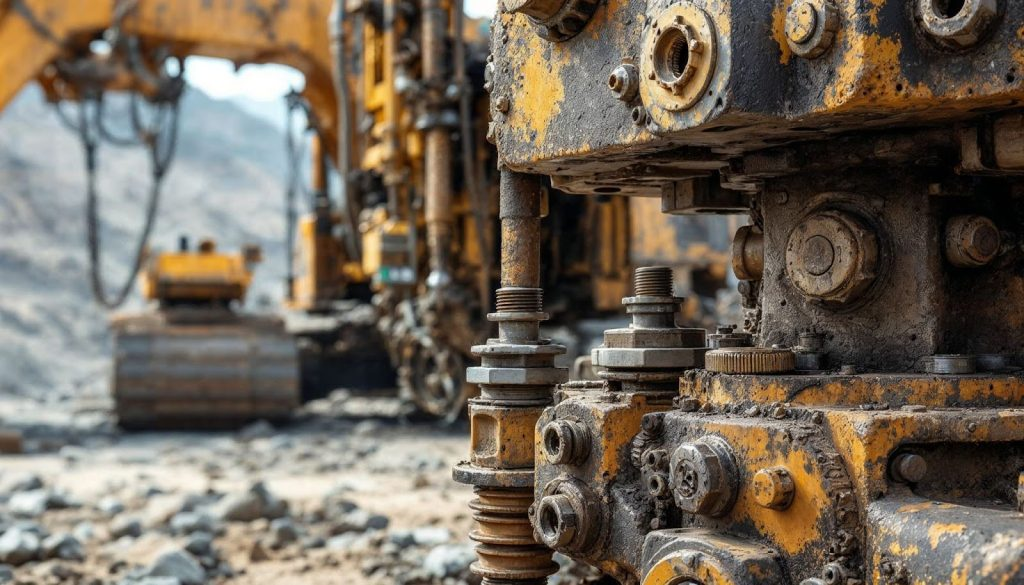
- Fasteners in Drilling Rigs
Drilling equipment operates under high impact and constant vibration. Fasteners must maintain structural tightness while enduring torque, temperature, and geological stress. High-strength bolts and lock washers are commonly deployed.
- Fasteners in Mining Pumps
Mining pump fasteners must resist both corrosion and pressure fluctuations. These systems often operate in wet, abrasive conditions where stainless steel bolts or coated fasteners are ideal.
- Fastener Used in Securing Pipes
Conveyance pipelines for slurry, water, or chemicals rely heavily on strong, leak-proof fasteners. Bolted flange connections with gaskets and proper torque settings are standard. Using the wrong fastener can lead to joint failure or environmental hazards.
Types of Mining Fasteners You Should Know
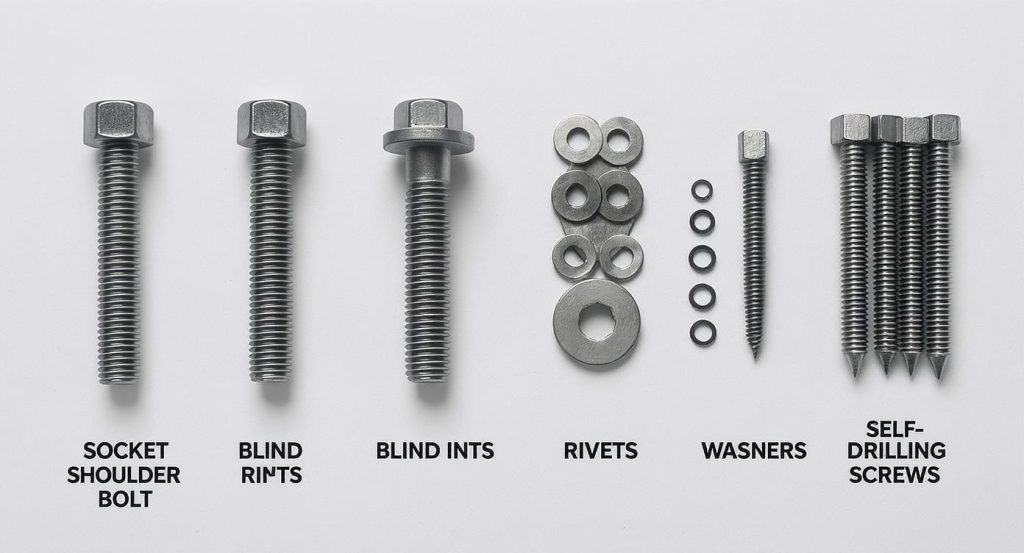
- Bolts and Nuts
These are the most commonly used mining fasteners in various grades to suit different load and environmental needs. High-tensile bolts are essential for supporting heavy machinery frames.
- Washers
Flat and lock washers help distribute load and prevent loosening in high-vibration scenarios, such as crushers or conveyors.
- Rivets
Rivets are used in semi-permanent or permanent joints, especially in structural frames or confined spaces.
- Anchors
Anchors provide foundational support by securing machinery to concrete bases. Expansion anchors and chemical anchors are typical choices.
- Screws
Self-tapping screws are useful for temporary setups or easy-to-maintain enclosures where drilling or threading isn’t feasible.
- Pins and Studs
Pins, dowels, and stud bolts are employed to align parts or secure components with limited space or access.
The Growing Demand for Custom Fasteners for the Mining Industry
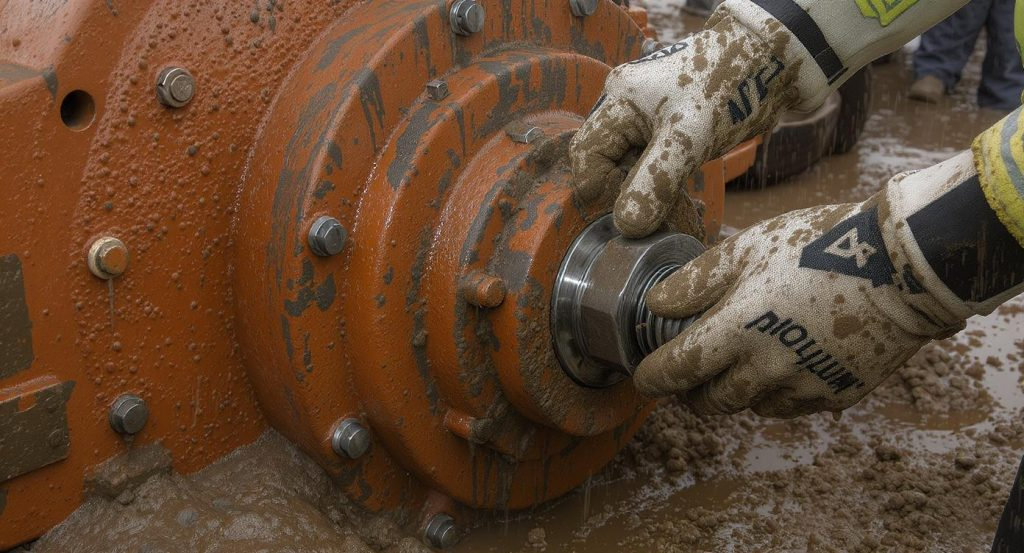
Custom fasteners for mining industry applications are more than just a trend—they’re necessary. Standard fasteners often fail to meet the unique stress, size, and environmental challenges mining sites pose. Here’s why customization matters:
1. Tailored Design for Complex Equipment
Mining equipment designs can be complex, with unique geometries and load paths. Custom fasteners allow for a precise fit and enhanced reliability.
2. Advanced Materials for Harsh Conditions
Custom fasteners can be manufactured from corrosion-resistant alloys, heat-treated steels, or coated materials. This is particularly crucial for advanced fastening systems, mining, and industrial setups.
3. Extended Equipment Life
When fasteners fit better and resist environmental wear, they contribute directly to longer machinery life and reduced failure rates.
4. Support for Niche Applications
From securing underground ventilation to China mining pump fasteners, tailored solutions reduce mismatch risk and boost performance.
5. Improved Assembly Efficiency
Custom designs can reduce installation time with features like pre-threaded ends or integrated locking systems, minimizing downtime.
Recommended cq-rockbolt Fasteners for Mining Equipment
cq-rockbolt Fasteners provides high-strength, reliable fastening solutions for demanding mining environments. Below are some of the top fasteners we recommend for use in heavy machinery, pipelines, and pump systems.
1.Split Set Friction Anchor Bolt Catalogue - Mining Rock Bolts
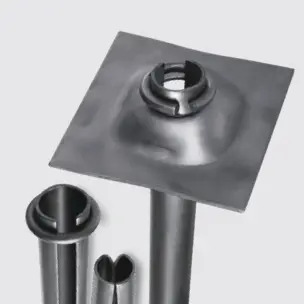
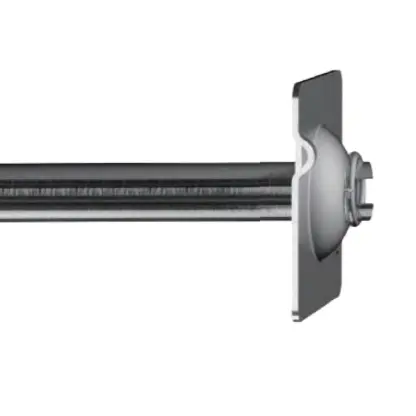
Complete catalogue of split set friction anchor bolts for underground mining support. Various specifications: 33mm, 39mm, 46mm diameter. Lengths from 0.9m to 3.0m. ISO certified rock bolt manufacturer offering factory direct prices.
2.Prestressing Anchorage System for PT Bars & Steel Strands
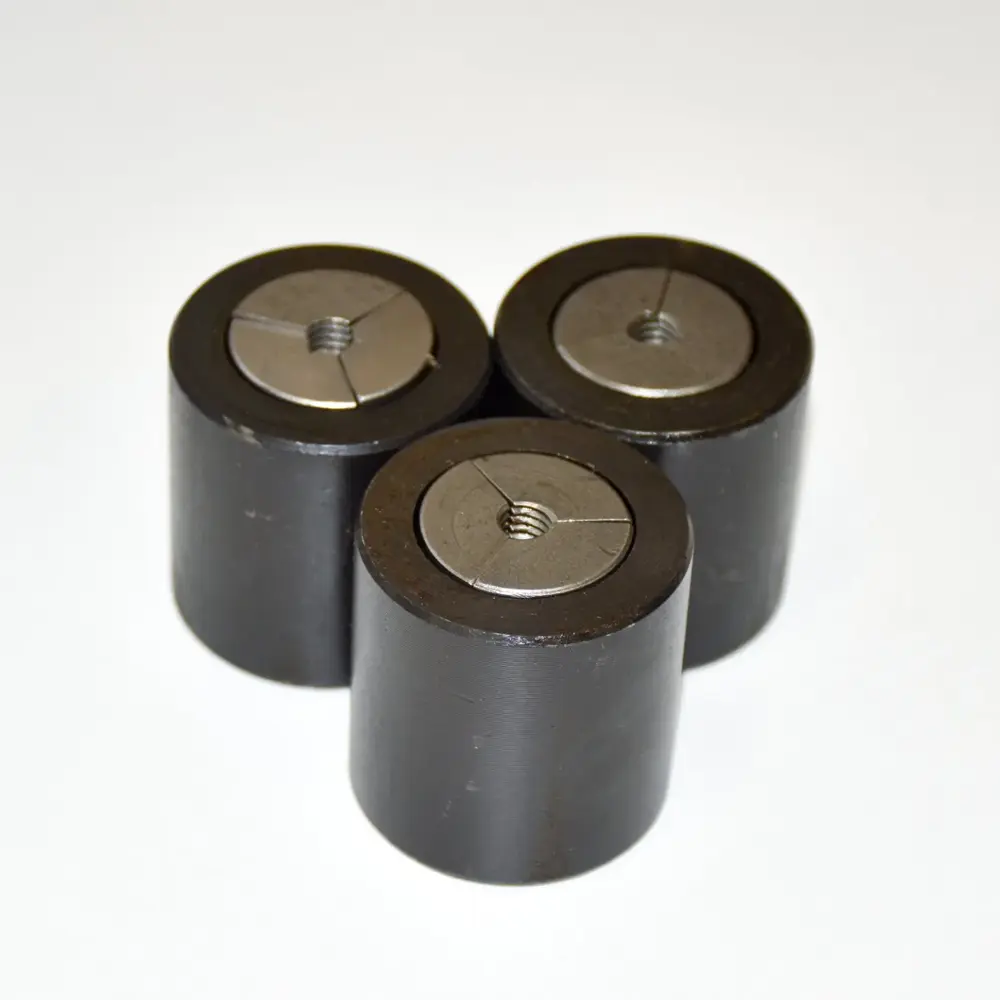
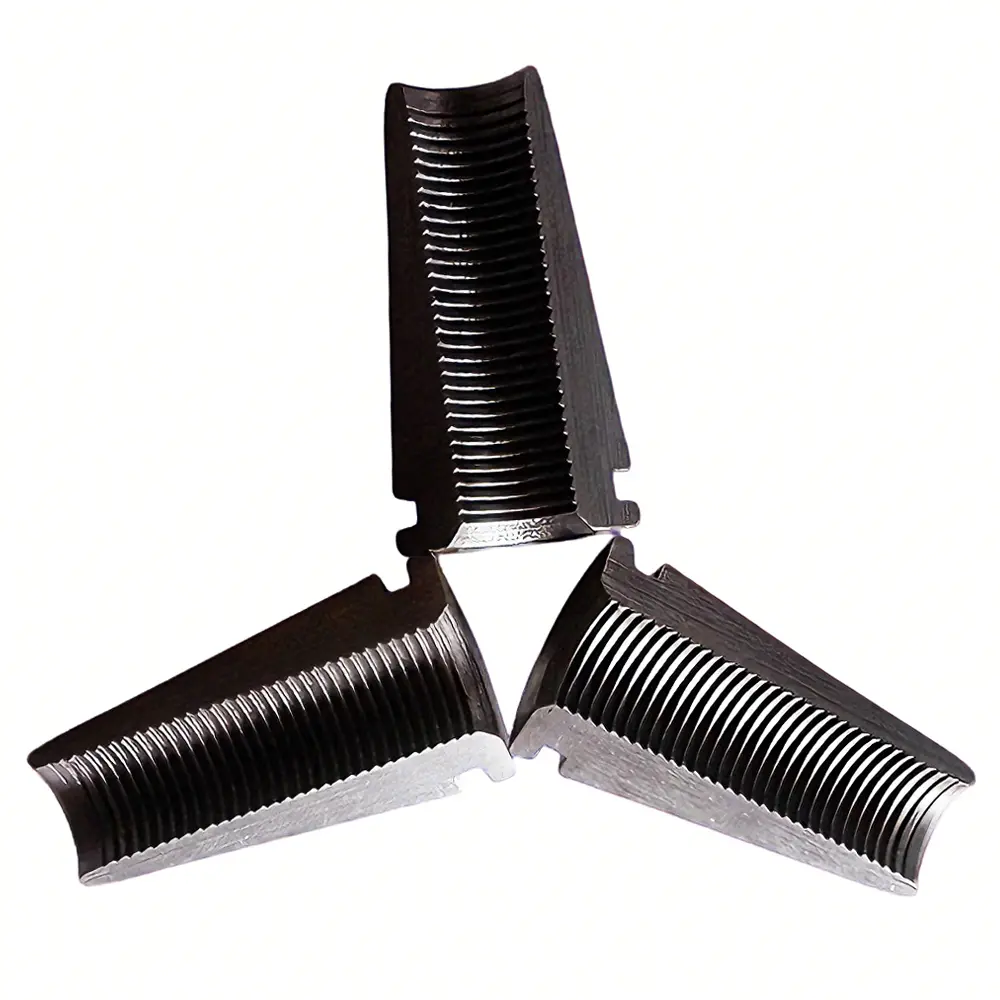
Complete prestressing anchorage system for PT bars and steel strands in mining and construction. Includes anchor plates, wedges, and couplers. Compatible with various rock bolt and cable bolt applications. ISO certified ground support equipment manufacturer.
3.Glass Fiber Reinforced Polymer (GFRP) Bolt
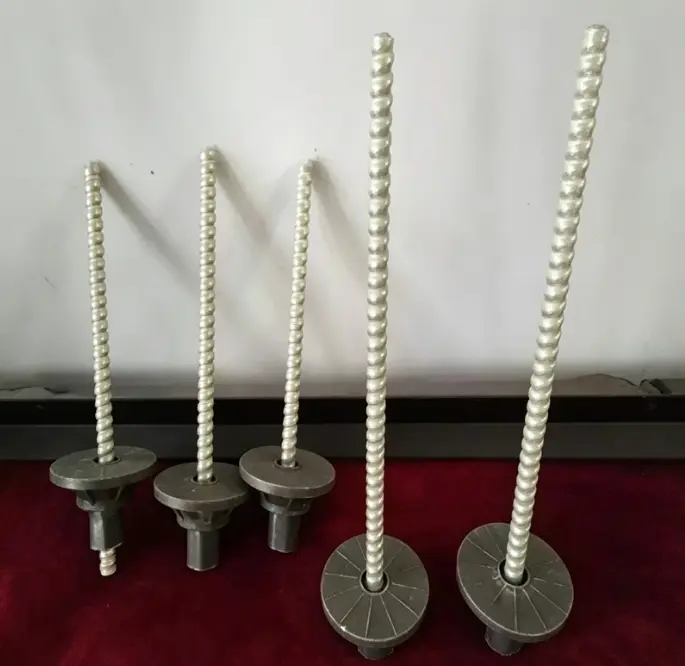
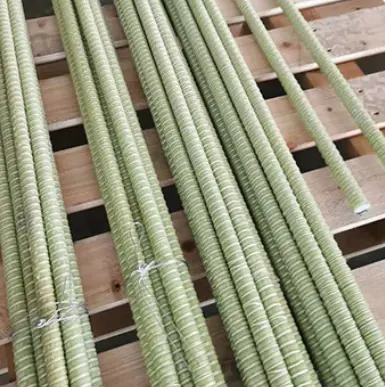
Glass Fiber Reinforced Polymer (GFRP) Bolt, or fiberglass rock bolt, is a non-metallic support component compositely molded from high-strength glass fiber and resin matrix. It is mainly applied in mines, tunnels, underground projects and slope reinforcement.
Conclusion: Small Parts, Big Impact
In a high-stakes industry like mining, every detail matters. Fasteners may seem small, but their role is massive. From standard bolts to custom-engineered solutions, using the right mining fasteners means fewer breakdowns, better safety, and lower maintenance costs.
If you’re in the mining sector looking for durable, precision-made fasteners, cq-rockbolt delivers. With years of expertise and a catalog of tailored solutions, we help you build and maintain systems that perform under pressure.
Related News
Other news you might be interested in

How to Choose a Reliable Self-Drilling Anchor System Manufacturer
In underground mining, tunneling, slope stabilization, deep excavation support, and foundation reinforcement projects, complex ground conditions often determine the difficulty of the support solution. In soft ground, fractured rock, weathered rock masses, or water-bearing formations, conventional pre-drilled holes can collapse, jam, or lose borehole stability. By combining drilling, anchoring, and grouting into one process, a self-drilling anchor system has become an important solution in geotechnical engineering.However, selecting the right self-drilling anchor is only the first step. A manufacturer's ability to consistently supply compatible hollow threaded bars, sacrificial drill bits, couplers, bearing plates, nuts, and grouting accessories, while understanding actual ground support requirements, directly affects installation efficiency, anchorage quality, and project safety.

How to Install Rock Bolts: A Complete Step-by-Step Guide
A reliable ground support system is not complete simply because the drill has reached the design depth. Borehole condition, compatibility between the bolt and accessories, correct grouting or anchoring procedures, and traceable installation records all affect the final support performance. For installation crews, a loss of control at any stage can disrupt later operations. For project managers and procurement teams, system compatibility and process records are equally important.
Want to know more?
Get in touch with us for more information about our services and products.