

How Do Resin Anchors Improve Ground Stability?

Dayang Yang
AuthorWith over 15 years of experience in the production and sales of ground anchoring and mining support products, we operate our own rock bolt and accessory manufacturing facility with stable large-scale production capacity. We are specialists in rock bolts, resin cartridges, anchor cables, bearing plates, and customized ground anchoring products for mining support and geotechnical anchoring solutions.
In underground mining support, tunneling, slope excavation, and underground cavern construction, ground stability does not depend on one material alone. It depends on whether the complete ground support system matches the geology, excavation method, groundwater conditions, stress changes, and installation capability.
As a common approach in geotechnical anchoring, resin anchors connect the bar, anchoring material, and surrounding rock mass into a load-transfer system. This helps control joint opening, bedding separation, and localized deformation.
From an industry perspective, the value of resin anchoring is not limited to improving the fixing capacity of an individual bolt. It provides early restraint for ground support. In underground mining and tunneling, excavation often causes stress redistribution in the surrounding rock. If loosened zones, bedding interfaces, or fractured areas are not restrained in time, they may develop into rock falls, roof sagging, convergence, or localized instability.
Understanding Resin-Bonded Anchors in Modern Ground Support
Modern ground support focuses on system coordination rather than simply increasing the number of rock bolts. Engineering teams normally consider internal rock reinforcement, surface support, structural support, drainage, and monitoring together.
Resin-bonded anchors are commonly used for internal rock-mass reinforcement. They can work together with wire mesh, shotcrete, cable bolts, steel sets, and other underground support systems.
In competent hard rock, the main objective may be to prevent joint-controlled block movement. In layered rock, the focus is often on controlling bedding separation and developing a composite load-bearing structure. In fractured rock support or weak ground, anchorage length, bolt arrangement, installation timing, and deformation capacity of the support system become more important. Therefore, resin anchors should serve a defined ground-control objective rather than be selected without reference to geology.
What Are Resin Bonded Anchors and How Do They Work?
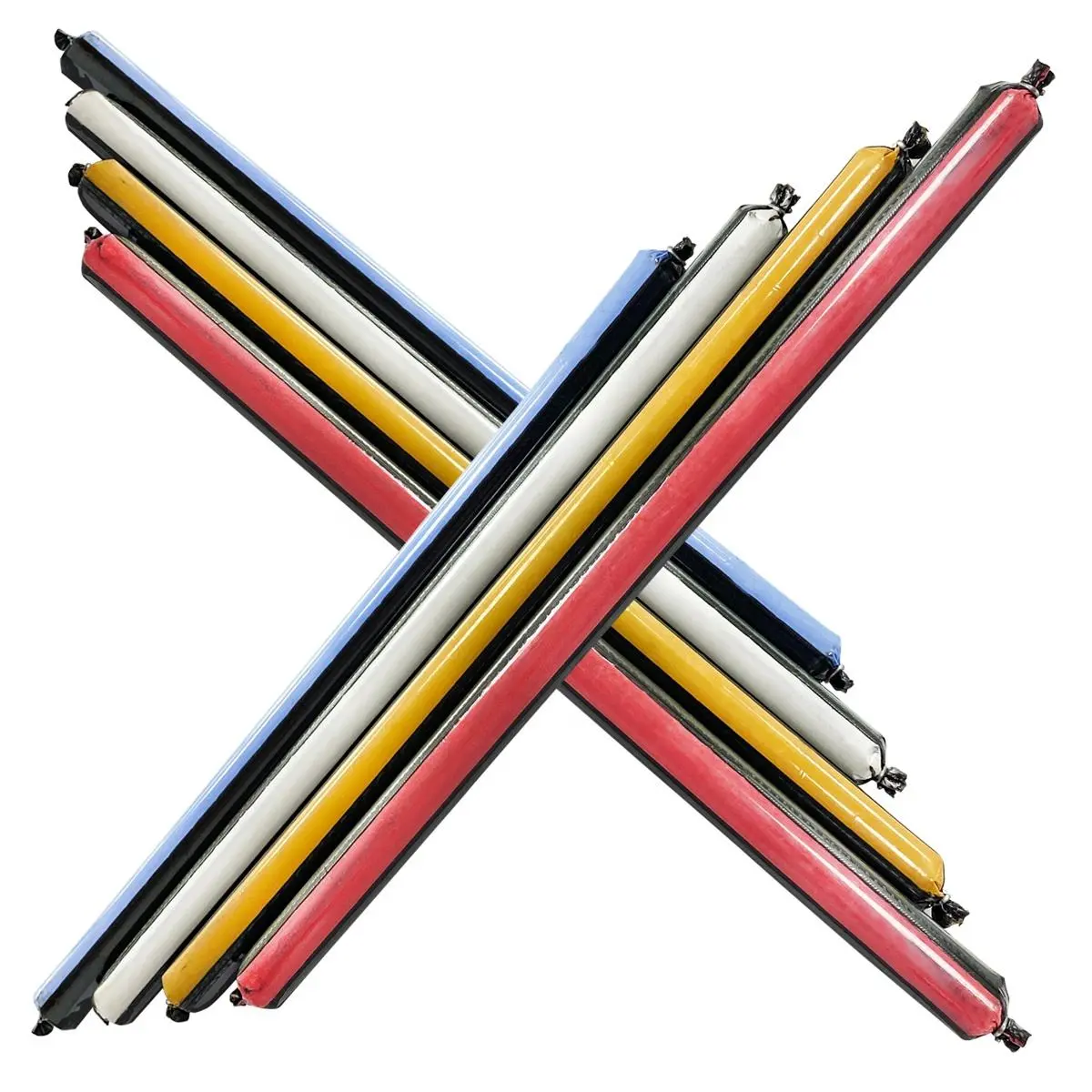
Resin-bonded anchors use resin capsules or similar anchoring materials to secure a bar inside a drilled hole. During installation, the resin is mixed, reacts, and cures within the required time. The bar, resin body, and borehole wall then form a connected anchorage zone.
Compared with systems that rely only on friction or end anchoring, resin anchoring places greater emphasis on bonding and load distribution along the anchorage length.
In industry practice, a rock bolt is not a single product category with one working mechanism. Projects may use resin anchors, grouted bolts, mechanical bolts, friction bolts, cable bolts, or self-drilling anchors. Their load behavior, installation sequence, and suitable ground conditions differ. The key design question is whether the support must control shallow loosening, deep reinforcement, bedding separation, suspended blocks, or instability ahead of the excavation face.
Working Principle of Resin Anchoring Systems
The basic purpose of a resin anchoring system is to transfer load from unstable rock to the bar and then distribute that load through the anchorage zone into more stable ground. The typical process includes drilling, placing resin capsules, inserting and spinning the bar, allowing the resin to cure, installing the bearing plate and nut, and completing any required pre-tensioning and quality checks.
For a rock bolt installation procedure, borehole diameter, depth, wall condition, resin selection, mixing time, curing time, and bar specification can all affect the result. Incomplete mixing, excessive water, insufficient bar insertion, or loading the bolt before the resin has cured can reduce the load-transfer performance of the anchorage system.
Resin Anchor Applications in Engineering Projects
Resin anchors are commonly used where early ground restraint is required. Their applications include mine roadway roof and wall support, tunnel reinforcement, underground cavern excavation, local slope stabilization, and rock support for foundation excavation.
Engineering teams do not usually select a system based only on whether resin is used. They evaluate rock-mass integrity, structural discontinuities, groundwater, excavation span, service life, available equipment, and acceptance requirements before choosing a ground support system. For long-term support, wet environments, or corrosive conditions, durability, sealing measures, and future monitoring should also be considered.
Mining and Underground Support
In underground mining, roof, wall, and intersection conditions can vary significantly. Development headings may experience bedding separation, roof sagging, wall spalling, or rockburst-related risks due to excavation, blasting, mining influence, or stress concentration.
Mine roof support must provide prompt restraint while working with wire mesh, shotcrete, and, where required, yielding support components.
Resin anchors are often used to establish active ground support. By anchoring and pre-tensioning the rock mass, they can restrain loosened layers and help individual rock blocks act as a more integrated load-bearing structure.
By comparison, shotcrete, mesh, and steel sets often provide surface retention or structural support. In practice, active vs passive ground support is rarely an either-or decision. Effective mine support normally combines both approaches.
Tunnel Construction and Slope Stabilization
In tunneling, ground conditions may change quickly from competent hard rock to faulted zones, weathered ground, weak layers, or water-bearing formations. Near the excavation perimeter and tunnel face, tunnel face stabilization and early rock restraint are particularly important. If significant relaxation occurs before the initial lining is established, construction risk and downstream difficulty can increase.
In slope projects, slope stabilization anchors can help control localized movement near potential sliding surfaces and work with drainage, slope protection, and monitoring systems. In both tunnel and slope applications, anchoring measures must be based on geological investigation and engineering design. Resin anchors should not be treated as a universal solution for every ground condition.
Advantages of Resin Bonded Anchor for Ground Reinforcement
Resin-bonded anchors are widely considered in mining ground support and tunnel support because they can suit construction cycles that require speed, early load capacity, and system coordination.
Their value should not be viewed only as a product feature. The more important consideration is the ground-control window after excavation. Establishing effective restraint before the rock mass relaxes significantly is often more valuable than attempting reinforcement after deformation has developed.
Fast Installation and Strong Bonding
When borehole conditions and installation procedures are suitable, resin anchoring can shorten the time between drilling and initial anchorage. For rapidly advancing mine roadways and tunnel headings, this can help establish ground support promptly.
However, faster installation does not mean lower quality-control requirements. A rock bolt installation process must still follow the specified borehole size, depth, resin configuration, mixing process, and curing time. A bolt that can be inserted is not necessarily a bolt that has formed reliable anchorage.
Reliable Load Transfer Performance
Load transfer is a central issue in evaluating rock bolt support. After curing, the anchored bar can transfer load through the resin bond to the borehole wall and surrounding rock, reducing relative movement between localized rock blocks.
In layered rock, properly arranged rock bolts can help control bedding separation. In jointed rock, they can improve the restraint conditions between rock blocks.
However, load transfer is not determined by resin alone. Bar strength, anchorage length, bolt spacing, bearing-plate size, pre-tension, rock-mass properties, and support timing all matter. Focusing only on individual bolt capacity can overlook the system-level objectives of underground ground support.
Adaptability to Complex Conditions
Complex conditions may include extensive joints and fractures, variable rock strength, fault influence, groundwater disturbance, repeated excavation effects, or restricted installation space. Under these conditions, engineering teams should assess whether fractured rock support requires denser bolt patterns, longer reinforcement zones, additional surface support, or an alternative system better suited to unstable boreholes.
Resin anchors can be part of an effective solution in complex ground, but their applicability is still limited by borehole stability, equipment capability, and installation quality. Where there is severe borehole collapse, water inflow, or loss of drilling return, the construction method should be reassessed rather than simply increasing resin quantity or bolt density.
Resin Anchors vs Traditional Ground Support Methods
From the perspective of a ground support system, resin anchors are not a simple replacement for traditional methods. Mechanical bolts may suit conditions requiring rapid end anchorage. Friction bolts can provide immediate frictional restraint. Grouted bolts focus more on grout filling, bonding, and long-term reinforcement. Wire mesh and shotcrete retain surface rock and help prevent localized unraveling.
When selecting a rock support approach, engineering teams should ask: How deep is the loosened zone? Is the expected failure mode block movement or overall rock-mass deformation? Is groundwater significant? How quickly must initial support be installed? Is support temporary or long-term?
These questions determine whether resin anchoring should be used as primary support, supplementary support, or part of combined ground support methods.
Built-in Resin Prestressed Self-Drilling Hollow Bolt for Advanced Reinforcement
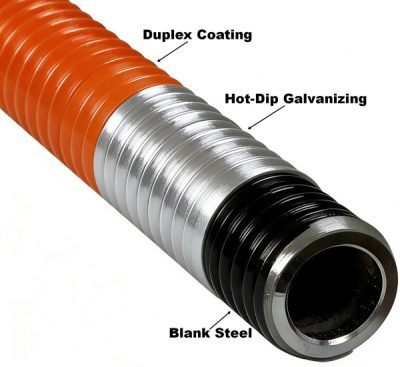
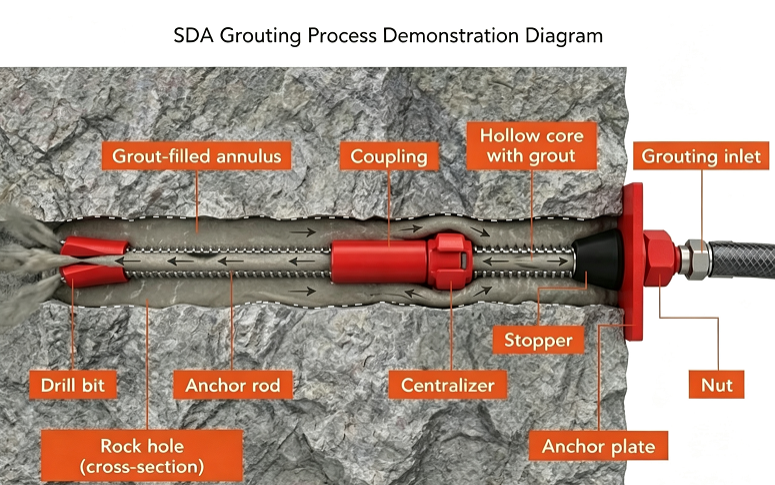
In weak, fractured, or water-bearing ground where boreholes are difficult to maintain, the conventional sequence of drilling first, inserting the bar later, and then completing anchorage may involve higher installation risk. In these conditions, self-drilling anchors can integrate drilling, bar installation, and subsequent grouting or anchoring, reducing the period during which an open borehole remains unsupported.
From an industry perspective, self-drilling hollow bars combined with resin anchoring or pre-tensioning concepts can support advanced reinforcement, tunnel-face stabilization, and localized strengthening in difficult ground. This approach depends on full system compatibility, including drill bits, bar connections, drill-rig capacity, injection method, sealing measures, and available workspace.
Combining Self-Drilling and Resin Anchoring Technology
The main benefit of a self-drilling rock bolt is that it can reduce a sensitive transition in conventional installation: the period between completing a borehole and installing the reinforcement bar. Where ground is fractured, boreholes collapse easily, or groundwater is significant, continuous drilling and permanent bar installation may improve construction continuity.
When combined with resin anchoring, the system should be evaluated for material and procedure compatibility, including bar surface condition, anchorage configuration, installation sequence, curing requirements, and pre-tensioning arrangements. A self-drilling anchor bolt for tunneling should be selected according to actual geology and the approved design method, not simply because it is described as self-drilling.
Key Features of Built-in Resin Prestressed Self-Drilling Hollow Bolt
This type of anchorage system can provide a higher degree of installation integration and may reduce process transitions in suitable conditions. Pre-stressing or active restraint can help improve rock-mass confinement before significant deformation occurs, but actual tensioning and preload requirements must always come from the project design.
For underground mining and tunneling, system features should correspond to the actual risk. Where shallow spalling is the main concern, surface support and bolt coordination should be strengthened. Where weak ground exists ahead of the face, advanced support and tunnel face stabilization may be required. Where long-term creep or high-stress deformation is the main concern, support ductility, yielding capacity, and monitoring should also be considered.
Applications of Self-Drilling Resin Anchor Systems
A self-drilling resin anchoring system may be used in weak, fractured, or time-sensitive ground conditions. It can also be considered for tunnel repair, local underground reinforcement, and slope stabilization. Its actual application range should be determined through design review, trial sections, and field monitoring.
A common industry misunderstanding is to regard a self-drilling anchor system as an automatic solution to every difficult geological condition. In reality, drill-bit wear, bar connections, drilling parameters, injection quality, drainage paths, and equipment access all affect performance. Reliable ground reinforcement results from the combined control of design, materials, equipment, and installation practice.
How to Select the Right Resin Anchors?
When selecting resin anchors, the support objective should be defined before choosing the bar and anchoring material. For procurement teams, specifications and delivery schedules are important, but it is equally necessary to confirm that the selected components are compatible with the designed rock bolt support system, including bars, nuts, plates, resin capsules, and installation equipment.
Evaluate Ground Conditions
Ground conditions define the basic limits of a geotechnical anchoring solution. Engineering teams should assess rock strength, joints and fractures, bedding orientation, groundwater, weathering, stress conditions, and possible failure modes.
In competent hard rock, the focus may be localized blocks and structural discontinuities. In areas with high fractured rock support demand, reinforcement range, support density, and combined support methods require closer assessment.
Where borehole stability is poor, a conventional rock bolt installation procedure may be difficult to execute reliably. Temporary support, casing, specialized drilling methods, or self-drilling anchors may need to be evaluated. Good selection is not simply choosing a stronger component. It is choosing a system that can be installed reliably from start to finish under actual site conditions.
Consider Project Requirements
Different projects have different ground support priorities. Mine roadways may emphasize development speed, roof safety, and mining-induced deformation. Transportation tunnels may place greater emphasis on convergence control, durability, and restricted workspace. Slope projects often focus on potential sliding surfaces, drainage, and long-term monitoring.
Therefore, resin anchors should be selected in relation to required support life, installation sequence, acceptance criteria, maintenance conditions, and risk level. In higher-risk areas, pull testing, torque checks, installation records, and displacement monitoring can help verify whether the rock bolt support system is meeting its intended design function.
Installation Considerations for Resin Anchors
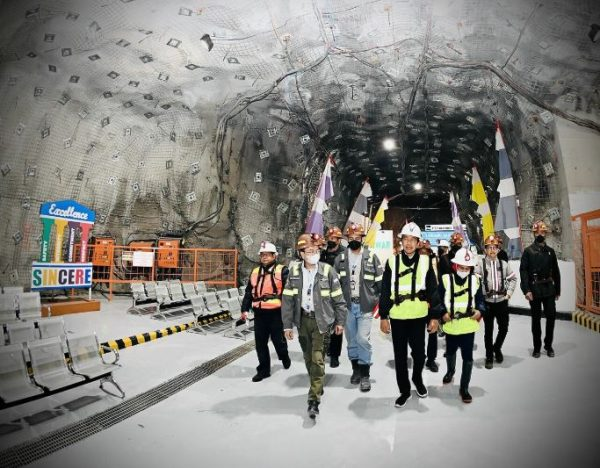
The performance of resin anchors depends heavily on installation quality. Even if the bar and resin material meet design requirements, deviations in drilling, mixing, curing, or plate installation can reduce ground support performance. General industry guidance cannot replace project drawings, approved work methods, or acceptance requirements.
Proper Drilling Preparation
Drilling preparation is the foundation of rock bolt installation. Borehole location, inclination, length, and diameter should meet the design. Dust, water, collapse, and borehole-wall damage should be identified and recorded. If the borehole cannot remain stable through bar installation and resin curing, the installation method should be adjusted promptly.
In complex ground, drilling information is also important ground monitoring data. Abnormal drilling progress, sticking, falling rock, loss of return, or water inflow may indicate that actual ground conditions differ from expectations. Reporting these signs promptly helps the project team adjust the underground support system before problems become more serious.
Correct Resin Activation and Curing
Resin capsules must be mixed and cured under the specified conditions. Installers should control insertion, spinning, waiting, and fastening procedures to avoid incomplete mixing, premature bar movement, or incorrect bearing-plate tightening. For pre-tensioned resin anchors, subsequent work should begin only after the required curing condition has been reached.
Quality control should not stop at confirming that a bolt has been installed. A complete rock bolt testing and acceptance process may include installation records, sample pull tests, torque checks, visual inspection, bearing-plate contact, and rock-mass deformation observations. For long-term ground support systems, ongoing monitoring is equally important because support performance must ultimately be confirmed through the stability of the ground itself.
Future Development Trends of Resin Bonded Anchor
The future of underground mining support and tunnel support will place greater emphasis on system integration, digital information, and ground-condition adaptability. As mining depth increases, underground-space development expands, and complex geological projects become more common, experience-based support selection alone becomes less sufficient.
A ground support system will increasingly require coordinated use of rock bolts, cable bolts, shotcrete, mesh, yielding components, and monitoring equipment. Installation records, drilling parameters, convergence data, and support-load information will also become more important for dynamic evaluation.
Resin anchoring technology will continue developing toward better compatibility with difficult ground, improved installation traceability, and safer construction practices.
Conclusion: Choosing Reliable Resin Anchors for Ground Support
Resin anchors are an important part of geotechnical anchoring and ground support, but their role should always be considered within the full engineering context. In underground mining, tunneling, slope stabilization, and underground cavern projects, long-term stability depends not on one component, but on whether geological assessment, support design, installation quality, load transfer, combined support, and monitoring form a complete control process.
Where projects need to control shallow loosening, bedding separation, joint-controlled block movement, or early deformation after excavation, properly configured resin-bonded anchors can provide effective support. Engineering teams should still select the appropriate rock bolt type and ground support system according to ground conditions, installation capability, and service requirements, then verify performance through proper installation, testing, and monitoring.
For project-specific support-system matching, contact CQ Rockbolt’s technical team.
Related News
Other news you might be interested in

Coal Mine Roadway Support Systems: How Rock Bolts, W-Straps, Mesh and Cable Bolts Work Together
Coal mine roadways are essential to safe, continuous underground operations. Their stability can be affected by changing geological conditions, mining-induced stress and excavation activity. As ground-control research increasingly focuses on the overall coordination and monitoring of support systems, rock bolts, W-straps, mesh and cable bolts should not be viewed as isolated components, but as elements that work together under site-specific mine conditions. This article explores their complementary roles in coal mine roadway support, while recognizing that support designs must be based on the conditions of each mine.

Five Major Advantages of Self-Drilling Anchors in Engineering Applications
In weak ground, fractured rock, loose soil, or rock masses with numerous joints, boreholes may narrow, shed material, or collapse. This can make it difficult to insert the anchor bar and may also affect subsequent grouting. Groundwater and changing strata add further uncertainty to construction.
Want to know more?
Get in touch with us for more information about our services and products.