

La electrificación y automatización de equipos de apoyo terrestre mejoran significativamente la productividad en minas subterráneas

Dayang Yang
AutorCon más de 15 años de experiencia en la producción y venta de productos de anclaje geotécnico y sostenimiento minero, operamos nuestra propia planta de fabricación de pernos de roca y accesorios con una capacidad de producción a gran escala estable. Somos especialistas en pernos de roca, cartuchos de resina, cables de anclaje, placas de apoyo y productos de anclaje geotécnico personalizados para sostenimiento minero y soluciones de anclaje geotécnico.
Resumen
A medida que las operaciones mineras subterráneas continúan profundizándose, los sitios de construcción enfrentan múltiples desafíos, como altos esfuerzos del terreno, condiciones complejas de la roca circundante, presión de ventilación y escasez de mano de obra. Los equipos tradicionales impulsados por diésel y los métodos manuales de sostenimiento del terreno se están volviendo gradualmente menos adecuados para la construcción minera moderna debido a limitaciones en productividad, condiciones de trabajo, precisión de instalación y gestión de seguridad.
En los últimos años, la electrificación y automatización de los equipos de sostenimiento del terreno se han acelerado. A través de sistemas de accionamiento eléctrico, control remoto, perforación automatizada, posicionamiento inteligente y recopilación de datos de construcción, estas tecnologías mejoran la continuidad y estandarización de la instalación de pernos de roca. Al mismo tiempo, los productos de pernos de roca de alto rendimiento compatibles con la construcción mecanizada se han convertido en una parte importante para mejorar la eficiencia de la minería subterránea y la calidad del sostenimiento.
Nuevos Desafíos para la Eficiencia de la Construcción Minera Subterránea
Las galerías de minas subterráneas generalmente implican múltiples procesos, que incluyen perforación, voladura, desescombro, instalación de pernos de roca, instalación de malla y aplicación de shotcrete. La construcción del sostenimiento del terreno es un eslabón importante entre la excavación y el desarrollo posterior de la galería, y su eficiencia afecta directamente el progreso de todo el ciclo minero.
A medida que las minas se vuelven más profundas, las secciones de las galerías, las condiciones de la roca circundante y las distancias de construcción continúan cambiando. Los equipos en el sitio a menudo enfrentan los siguientes desafíos:
- Espacio de trabajo limitado, que reduce la eficiencia de la reubicación de equipos y las operaciones manuales;
- Altas temperaturas, humedad, polvo y ruido, que aumentan la dificultad del trabajo subterráneo;
- Emisiones de escape de los equipos diésel, que ejercen presión adicional sobre los sistemas de ventilación subterráneos;
- Dependencia de la experiencia del operador para la perforación manual y la instalación de pernos de roca;
- Dificultad para mantener una calidad de sostenimiento consistente en condiciones complejas de la roca circundante.
A medida que estos factores se vuelven más significativos, las empresas mineras están prestando mayor atención a la electrificación y automatización de los equipos de sostenimiento del terreno. El objetivo es reducir la dependencia de las operaciones manuales y aumentar la cantidad de sostenimiento efectivo completado dentro de cada ciclo de trabajo.
La Electrificación Mejora el Entorno de Trabajo Subterráneo
El primer gran beneficio de electrificar los equipos de sostenimiento del terreno es la mejora de las condiciones de trabajo subterráneas. Los equipos tradicionales impulsados por diésel producen gases de escape, calor y ruido durante la operación. Las minas deben usar una mayor capacidad de ventilación para eliminar gases nocivos y controlar las temperaturas locales.
Los equipos de sostenimiento del terreno eléctricos o a batería pueden reducir las emisiones producidas por la combustión del diésel, ayudando a disminuir los requisitos locales de ventilación y refrigeración. Para minas profundas y galerías de larga distancia, esto puede mejorar la calidad del aire en las áreas de trabajo y reducir parte de la carga operativa en los sistemas de ventilación.
Además, los equipos eléctricos son generalmente más fáciles de integrar con sensores, sistemas de control y módulos de recopilación de datos. Los parámetros operativos, la profundidad de perforación, la presión de avance, la velocidad de perforación y los datos de instalación de pernos de roca se pueden registrar a través de sistemas digitales. Esta información puede respaldar el seguimiento de la calidad de la construcción y la futura optimización de los diseños de sostenimiento del terreno.
Es importante señalar que la electrificación no es simplemente una cuestión de reemplazar la energía diésel por energía eléctrica. Las empresas mineras también deben considerar la capacidad eléctrica subterránea, las instalaciones de carga y reemplazo de baterías, el tiempo de operación del equipo, los sistemas de mantenimiento y los requisitos de seguridad antiexplosión para lograr todos los beneficios del equipo electrificado.
La Automatización Mejora la Continuidad de la Construcción
En las operaciones tradicionales de sostenimiento del terreno, el ángulo de perforación, la profundidad del agujero, la disposición de los pernos y la calidad de la instalación a menudo dependen en gran medida de la experiencia del operador. La aplicación de la tecnología de automatización permite que el equipo realice tareas repetitivas según parámetros predefinidos, reduciendo las diferencias entre cuadrillas y turnos.
El equipo moderno de sostenimiento del terreno automatizado generalmente puede proporcionar las siguientes funciones:
- Posicionamiento automático de los agujeros para pernos de roca;
- Perforación en ángulos predefinidos;
- Control de la profundidad de perforación y la presión de perforación;
- Manejo e instalación automatizados o semiautomatizados de pernos de roca;
- Registro de parámetros de construcción y generación de datos de calidad;
- Operación remota, reduciendo el tiempo que los trabajadores pasan en áreas peligrosas.
Estas funciones ayudan a estabilizar el ritmo de la construcción del sostenimiento y permiten que la instalación de pernos de roca se adapte mejor al ciclo de excavación. Cuando el equipo, los productos de pernos de roca y los métodos de construcción trabajan juntos, se pueden reducir los tiempos de espera, el retrabajo y las operaciones repetitivas.
En áreas de alto riesgo, el control remoto y la operación automatizada también pueden reducir la cantidad de tiempo que los trabajadores están expuestos al frente de trabajo, a la roca circundante fracturada o a áreas con potencial de caída de techo. Esto mejora aún más la gestión de seguridad en el sitio.
Perno de Roca Swellex
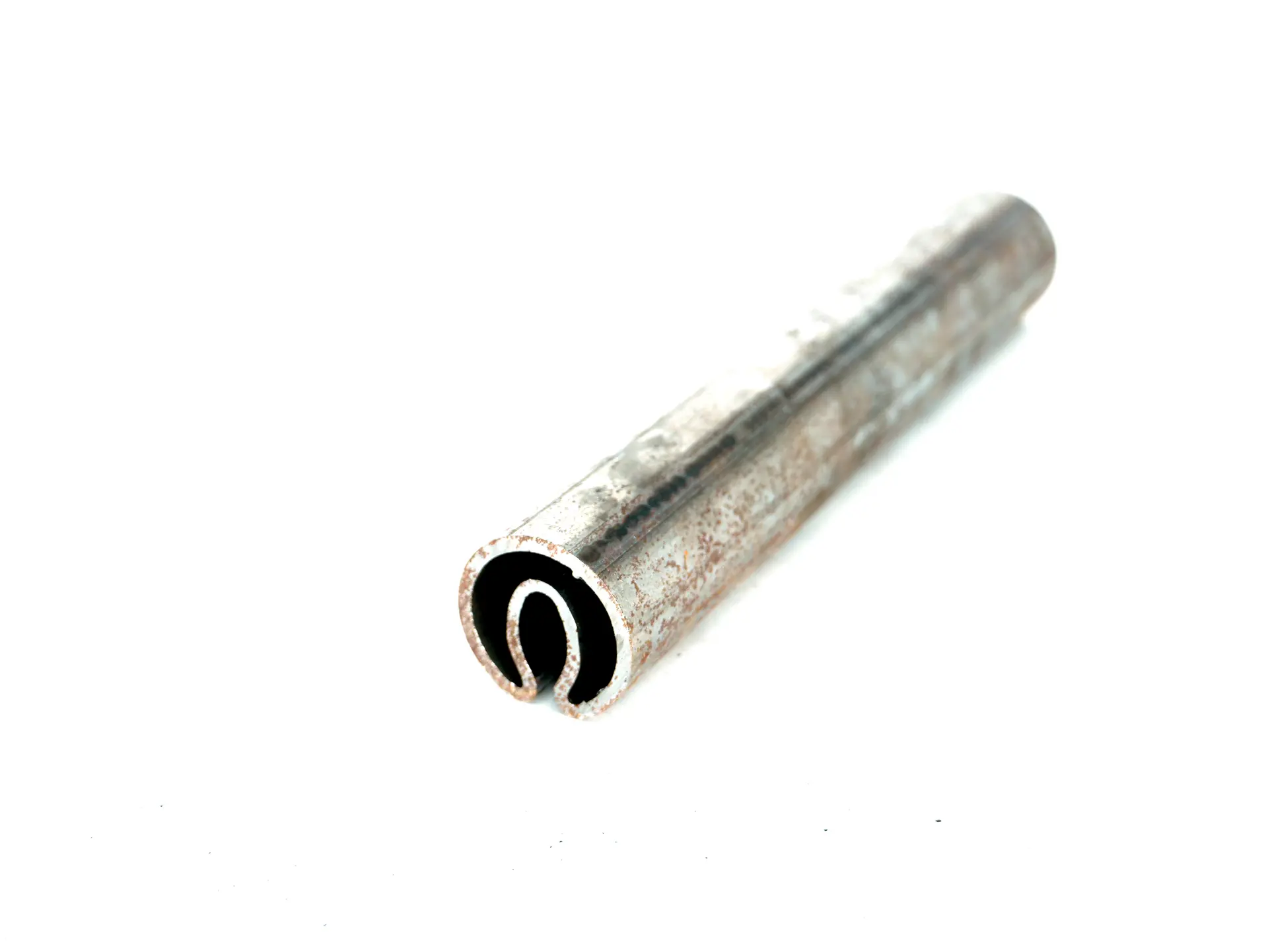
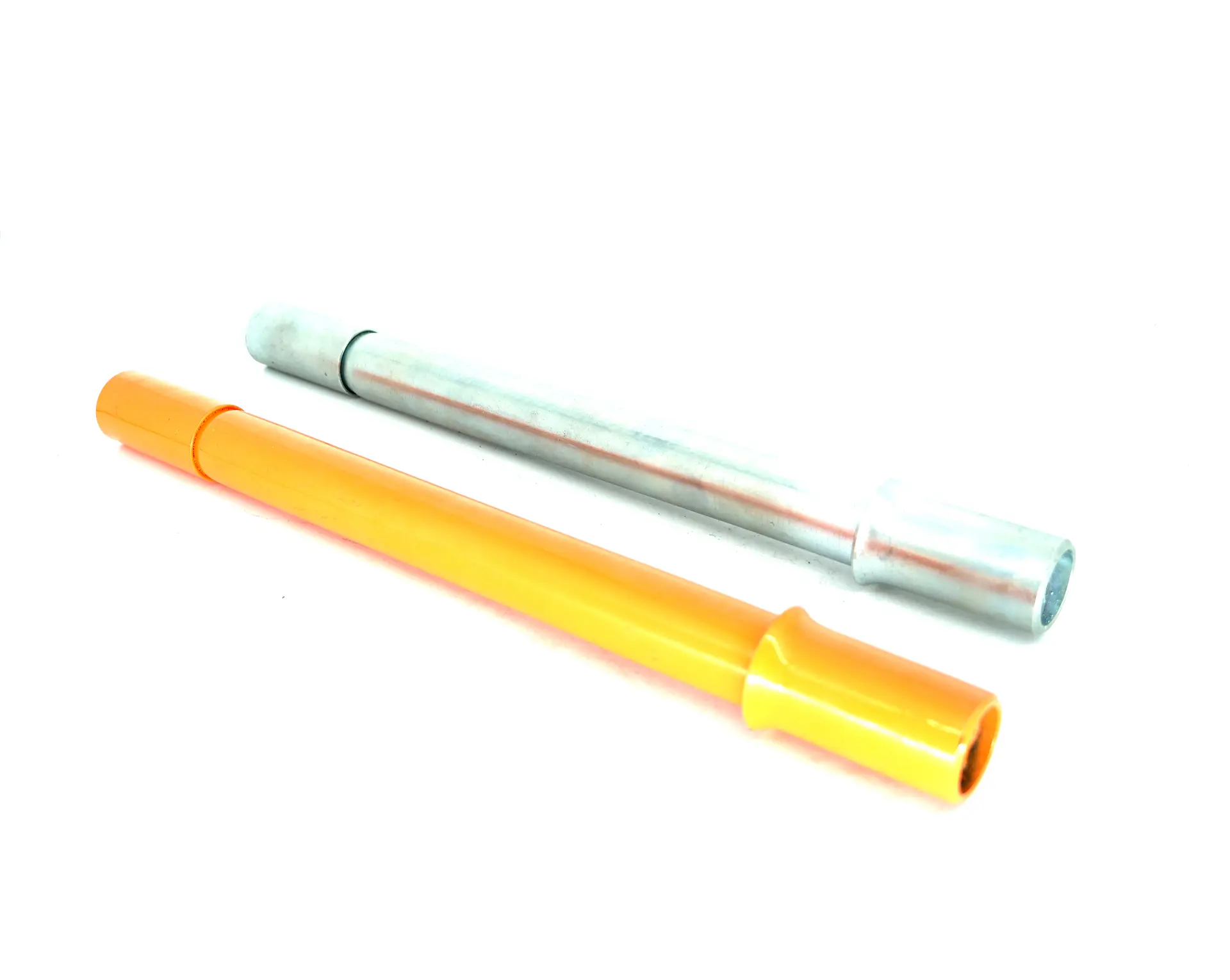
Para proyectos de minería subterránea y tunelización que requieren una instalación rápida y el desarrollo rápido de la resistencia del sostenimiento, se puede considerar el Perno de Roca Swellex.
El Perno de Roca Swellex se expande bajo agua a alta presión, permitiendo que el tubo del perno mantenga un contacto cercano con la pared del agujero y desarrolle rápidamente la acción de anclaje. Cuando se usa junto con equipos de sostenimiento del terreno mecanizados, este producto es adecuado para entornos de construcción que requieren tiempos de instalación más cortos y una respuesta de sostenimiento primario más rápida.
En roca fracturada, terreno diaclasado o galerías con ventanas de construcción limitadas, el desarrollo rápido del sostenimiento ayuda a reducir el tiempo que la roca circundante permanece expuesta. En operaciones de excavación continua, la velocidad de instalación de los pernos de roca y el tiempo de respuesta del sostenimiento son factores importantes que influyen en el ciclo general de construcción. El Perno de Roca Swellex puede servir como una opción de producto dentro de un proceso de sostenimiento del terreno mecanizado.
 |  |
|---|
El Equipo Automatizado Requiere Productos de Pernos de Roca Estandarizados
A medida que los equipos de sostenimiento del terreno se vuelven más automatizados, la consistencia dimensional, la confiabilidad de la conexión y la estabilidad del lote de los productos de pernos de roca se vuelven cada vez más importantes. El equipo automatizado debe completar el manejo, posicionamiento, instalación o inyección de lechada según parámetros predefinidos. Las variaciones significativas en las especificaciones del producto pueden afectar el reconocimiento del equipo, el ritmo de instalación y la calidad final de la construcción.
Por esta razón, las actualizaciones de equipos generalmente deben implementarse junto con las actualizaciones de productos de pernos de roca. Al comprar productos de sostenimiento del terreno, las empresas mineras deben evaluar más que solo la resistencia a la tracción y el precio. Las consideraciones importantes incluyen:
- Si las dimensiones y el peso del producto son adecuados para el manejo mecanizado;
- Si las roscas, placas y conectores son compatibles;
- Si el producto puede proporcionar un rendimiento confiable en entornos húmedos, corrosivos y de alto esfuerzo;
- Si el proceso de instalación es adecuado para equipos automatizados;
- Si la calidad del producto se mantiene consistente entre lotes;
- Si los datos de construcción se pueden integrar en el sistema de gestión de calidad del sitio.
Solo cuando el equipo y los productos de pernos de roca están correctamente emparejados, la construcción automatizada puede pasar de ser una simple operación de equipo a un proceso con calidad de sostenimiento controlada y verificable.
Perno de Roca Hueco Autoperforante con Inyección de Lechada
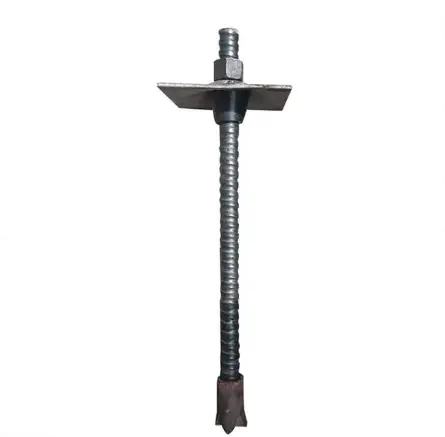
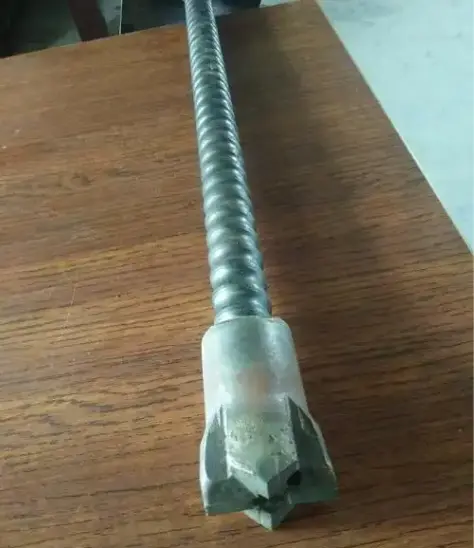
Para formaciones blandas, fracturadas, inestables o que contienen agua, se puede utilizar el Perno de Roca Hueco Autoperforante con Inyección de Lechada.
El Perno de Roca Hueco Autoperforante con Inyección de Lechada combina las funciones de perforación, anclaje e inyección de lechada en un solo sistema. Durante la construcción, el propio perno puede servir como barra de perforación. Luego, la lechada se entrega a través de la barra hueca hacia las fracturas de la roca circundante y el área alrededor del agujero, mejorando la integridad de la masa rocosa y el rendimiento del anclaje.
Para la construcción de sostenimiento del terreno automatizada o mecanizada, esta estructura integrada puede reducir procesos como cambios repetidos de barras, extracción de barras de perforación e instalación separada de pernos. Es particularmente adecuada para formaciones complejas donde los agujeros convencionales son propensos al colapso. En galerías de minas, túneles, taludes y cámaras subterráneas, este producto puede ayudar a mejorar la continuidad del sostenimiento y reducir el impacto de las condiciones geológicas difíciles en el ciclo de construcción.
 |  |
|---|
Perno de Roca Hueco Autoperforante con Inyección de Lechada
La Electrificación y la Automatización Promueven la Gestión Digital del Sostenimiento del Terreno
Una vez que los equipos de sostenimiento del terreno han sido electrificados y automatizados, los sitios de construcción pueden recopilar más datos de proceso. Estos datos se pueden utilizar no solo para determinar si el equipo está operando correctamente, sino también para analizar la calidad de la instalación de los pernos de roca y el comportamiento de la roca circundante.
Por ejemplo, los cambios repentinos en la presión de perforación pueden indicar un cambio en el tipo de roca o la presencia de una zona fracturada. Los cambios en la velocidad de perforación y el par motor pueden sugerir variaciones en la estructura geológica. La información sobre el número, la ubicación y el tiempo de instalación de los pernos de roca se puede utilizar para verificar si el diseño de sostenimiento se ha implementado correctamente.
Cuando estos datos se combinan con el registro geológico, el monitoreo de la roca circundante y las mediciones de deformación de la galería, las empresas mineras pueden establecer gradualmente un sistema de gestión de calidad del sostenimiento del terreno más completo. La construcción del sostenimiento del terreno puede pasar de la inspección manual después de la instalación al registro en tiempo real y la identificación de anomalías durante la construcción.
Esto proporciona una base para el mantenimiento predictivo y el diseño de sostenimiento dinámico. Los administradores de minas pueden ajustar los parámetros de sostenimiento según los datos del sitio en lugar de esperar hasta que ocurra una deformación significativa de la roca circundante para tomar medidas de refuerzo.
Desafíos Prácticos en las Actualizaciones de Equipos
Aunque la electrificación y la automatización pueden mejorar la eficiencia del sostenimiento del terreno, su adopción más amplia aún requiere que las empresas mineras aborden los costos de los equipos, la infraestructura subterránea, la capacitación de los operadores y las capacidades de mantenimiento. En áreas mineras remotas o minas más antiguas, los sistemas de energía, las redes de comunicación y las dimensiones de las galerías pueden no cumplir inmediatamente con los requisitos de los nuevos equipos.
Además, el equipo automatizado no puede reemplazar completamente el juicio de ingeniería. Las formaciones geológicas complejas, las zonas de falla y las condiciones inesperadas del terreno aún requieren un análisis integral por parte de ingenieros geológicos, de minería y de sostenimiento del terreno. Un enfoque más práctico es permitir que el equipo maneje tareas repetitivas, peligrosas y físicamente exigentes, mientras que el personal calificado sigue siendo responsable de la configuración de parámetros, las decisiones en el sitio y la verificación de la calidad.
Conclusión
La electrificación y automatización de los equipos de sostenimiento del terreno están cambiando la organización de la construcción de galerías subterráneas y la forma en que se gestiona la calidad del sostenimiento. Los equipos electrificados ayudan a mejorar las condiciones de trabajo subterráneas, mientras que los sistemas automatizados mejoran la continuidad, precisión y trazabilidad de la perforación y la instalación de pernos de roca.
A medida que la minería profunda, las condiciones complejas del terreno y el aumento de los costos laborales continúan influyendo en la industria, las empresas mineras pondrán mayor énfasis en la coordinación entre equipos, productos de pernos de roca y sistemas de gestión digital. En el futuro, se espera que el uso de productos de sostenimiento del terreno como los Pernos de Roca Swellex y los Pernos de Roca Huecos Autoperforantes con Inyección de Lechada, junto con la perforación inteligente, la operación remota y el análisis de datos de construcción, mejoren aún más la eficiencia, la seguridad y el rendimiento operativo a largo plazo de las minas subterráneas.
Related News
Other news you might be interested in

Especificaciones de Pernos de Roca de Fricción: Qué Deben Confirmar los Compradores Antes de Ordenar
Una cotización de perno de roca de fricción es difícil de comparar cuando solo lista un diámetro, una longitud y un precio. Los compradores también necesitan saber qué dibujo del producto aplica, qué está incluido, cómo el perno propuesto coincide con el arreglo de perforación, y qué describen realmente las cifras de rendimiento cotizadas. Para ingenieros de minas, compradores técnicos y distribuidores de soporte de terreno, el punto de partida práctico es un paquete de especificaciones claro. Esta guía se centra en el perno de fricción de tubo ranurado, comúnmente descrito en catálogos de productos como perno de fricción de conjunto dividido. CQ Rockbolt lista esta familia de productos para minería subterránea y túneles; el modelo exacto y los detalles de suministro deben confirmarse contra la cotización actual.

Pernos de Roca de Núcleo Hueco Autoperforantes vs. Pretaladrados: Qué Deben Confirmar los Contratistas de Túneles Antes de Realizar un Pedido
Dos cotizaciones pueden describir barras roscadas huecas, pero aún así cubrir diferentes tareas de instalación. Una sugerencia puede ser un sistema autoperforante. Otra posibilidad es insertar pernos huecos después de perforar orificios de soporte separados. Para los contratistas de túneles, esta diferencia afectará la lista de componentes, las interfaces de equipo y las preguntas que deben responderse antes de la compra. La investigación de 'barras de anclaje huecas' por sí sola deja demasiado margen para la explicación.
Want to know more?
Get in touch with us for more information about our services and products.