

Mechanized Construction and High-Performance Rock Bolts Reshape Safety Standards in Mining and Tunnel Engineering

Dayang Yang
AuthorWith over 15 years of experience in the production and sales of ground anchoring and mining support products, we operate our own rock bolt and accessory manufacturing facility with stable large-scale production capacity. We are specialists in rock bolts, resin cartridges, anchor cables, bearing plates, and customized ground anchoring products for mining support and geotechnical anchoring solutions.
As mining depths increase and tunnel construction environments become more complex, traditional support methods are no longer sufficient to meet the demands for higher safety, efficiency, and sustainable construction. The combination of mechanized construction equipment and high-performance rock bolt products is driving mining and tunnel engineering from labor-intensive operations toward standardized, continuous, and intelligent construction. Among these solutions, self-drilling hollow grouting anchors and high-strength prestressed rock bolts have become key components in underground engineering support systems due to their high installation efficiency, stable reinforcement performance, and strong adaptability to complex geological conditions.
Complex Underground Conditions Create Higher Requirements for Support Systems
In recent years, the scale of mine roadways, traffic tunnels, water conservancy tunnels, and underground space projects has continued to expand. As construction depth and geological complexity increase, risks such as fractured surrounding rock, weak interlayers, water and mud inrush, rockburst, and deformation instability have become more prominent.
Against this background, rock bolt support is no longer simply a reinforcement measure. It has become an important system for ensuring engineering safety, improving construction efficiency, and extending structural service life. The industry now places higher demands on the load-bearing capacity, corrosion resistance, grouting performance, installation efficiency, and construction adaptability of rock bolt products.
Mechanized Construction Improves Rock Bolt Support Efficiency
Traditional manual rock bolt installation often involves high labor intensity, slow construction speed, and inconsistent quality. With the application of drilling jumbos, rock bolting rigs, wet spraying manipulators, and automated grouting equipment, rock bolt construction is becoming increasingly mechanized.
Mechanized construction not only reduces the time workers spend in hazardous areas, but also improves drilling accuracy, installation quality, and grouting stability. Especially in long tunnels, deep mines, and complex surrounding rock conditions, mechanized operation can significantly shorten the support cycle and create safer and more efficient conditions for subsequent excavation, transportation, and lining work.
Self-Drilling Hollow Grouting Anchors Meet the Needs of Fractured Rock Reinforcement
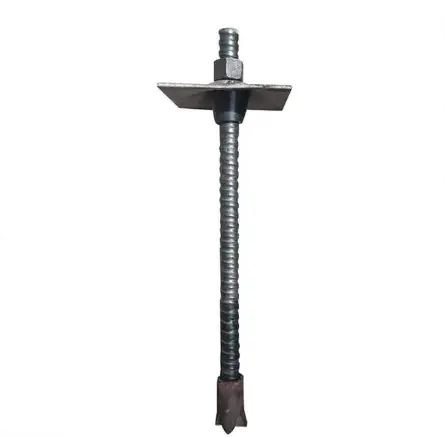
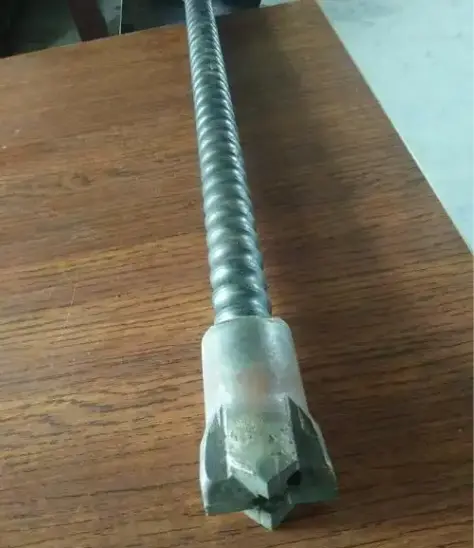
In fractured rock strata, sandy gravel layers, fault zones, and weak surrounding rock, traditional rock bolts often face problems such as difficult hole formation, severe hole collapse, and uneven grouting. Self-drilling hollow grouting anchors integrate drilling, grouting, and anchoring functions, allowing installation without pre-drilling. They are particularly suitable for advance support, slope reinforcement, tunnel primary support, and mine roadway stability control under complex geological conditions.
Through the hollow bar body, this type of product enables synchronous or subsequent grouting, allowing grout to fully fill cracks in the surrounding rock and improve overall rock integrity and anchoring strength. For construction contractors, self-drilling hollow grouting anchors can effectively reduce the risk of hole collapse and improve construction continuity, making them an efficient solution for support in complex strata.
 |  |
|---|
Self-drilling hollow grouting anchors
High-Strength Prestressed Rock Bolts Strengthen Long-Term Safety
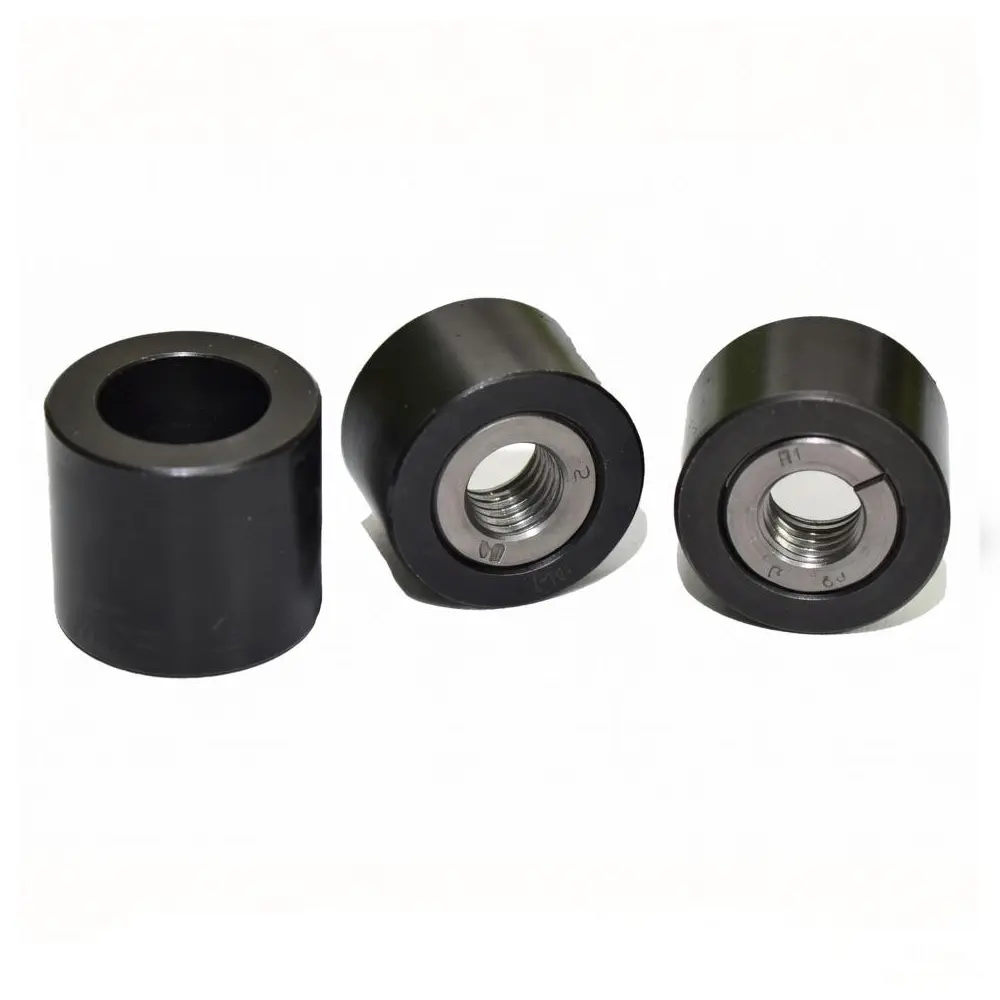
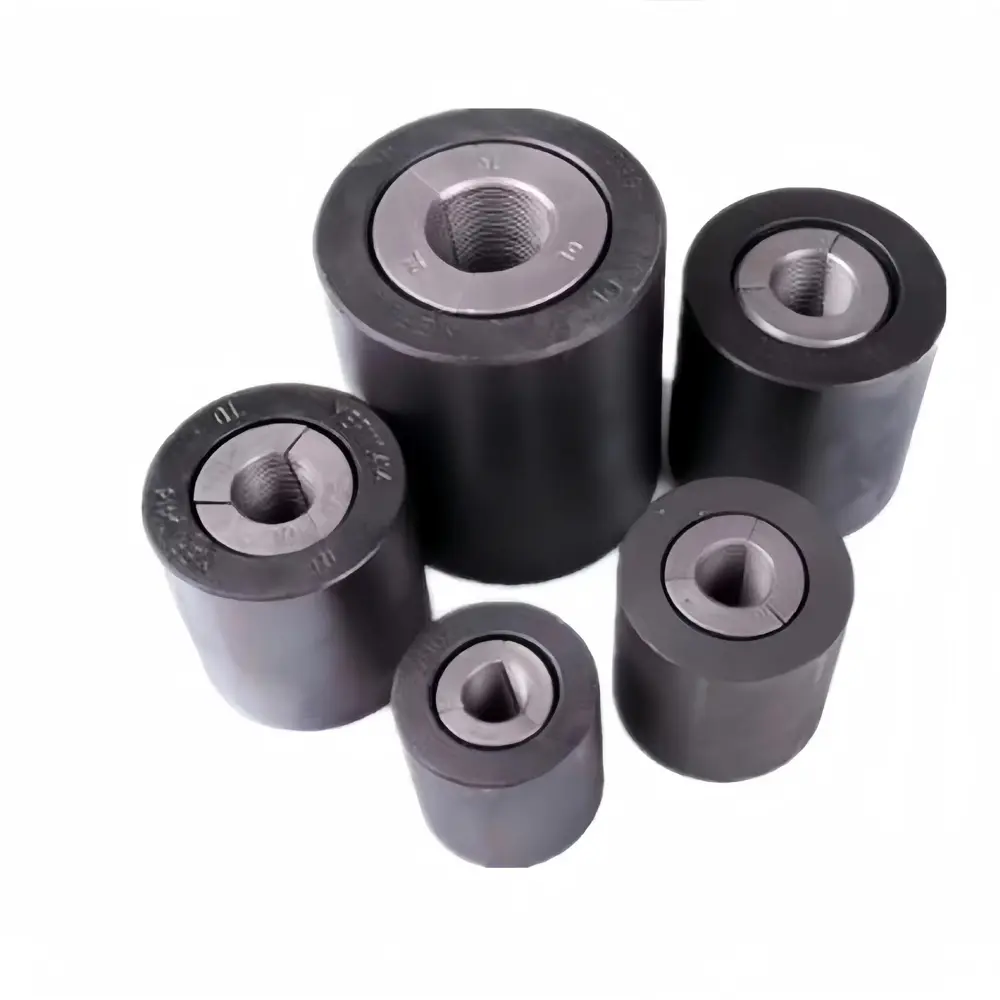
In large-section tunnels, deep mine roadways, and high ground stress areas, deformation control of surrounding rock is central to engineering safety management. High-strength prestressed rock bolts can actively apply prestress, enhance the restraint capacity of surrounding rock, improve the stress state, and reduce loosening and deformation development.
Compared with ordinary rock bolts, high-strength prestressed rock bolts offer higher load-bearing capacity and more stable support performance. They are suitable for engineering scenarios with higher requirements for safety level and long-term stability. When used together with anchor cables, steel arches, shotcrete, and other support systems, they can form a multi-level and coordinated surrounding rock control structure.
 |  |
|---|
High-strength prestressed rock bolts
Product Performance Becomes an Important Foundation for Engineering Quality
In mining and tunnel engineering, the quality of rock bolt products directly affects support performance. High-performance rock bolts must not only provide sufficient tensile strength, yield strength, and elongation, but also meet requirements for corrosion resistance, easy installation, smooth grouting, and reliable connection.
For export projects and large-scale infrastructure projects, stable product specifications, strict quality inspection, and a traceable production system are equally important. Choosing mature and reliable rock bolt products helps construction companies reduce rework risks, improve project acceptance efficiency, and lower maintenance costs during long-term operation.
Upgraded Safety Standards Drive High-Quality Industry Development
From manual operation to mechanized construction, and from single support measures to systematic reinforcement, safety standards in mining and tunnel engineering are continuously improving. In the future, rock bolt support technology will place greater emphasis on product performance, construction efficiency, digital monitoring, and full life-cycle management.
Under this trend, self-drilling hollow grouting anchors and high-strength prestressed rock bolts will play an increasingly important role in mining, tunnel construction, slope treatment, and underground space development. The deep integration of mechanized construction and high-quality rock bolt products is building a safer, more efficient, and more reliable new standard for underground engineering.
 |  |
|---|
Related News
Other news you might be interested in

Coal Mine Roadway Support Systems: How Rock Bolts, W-Straps, Mesh and Cable Bolts Work Together
Coal mine roadways are essential to safe, continuous underground operations. Their stability can be affected by changing geological conditions, mining-induced stress and excavation activity. As ground-control research increasingly focuses on the overall coordination and monitoring of support systems, rock bolts, W-straps, mesh and cable bolts should not be viewed as isolated components, but as elements that work together under site-specific mine conditions. This article explores their complementary roles in coal mine roadway support, while recognizing that support designs must be based on the conditions of each mine.

Five Major Advantages of Self-Drilling Anchors in Engineering Applications
In weak ground, fractured rock, loose soil, or rock masses with numerous joints, boreholes may narrow, shed material, or collapse. This can make it difficult to insert the anchor bar and may also affect subsequent grouting. Groundwater and changing strata add further uncertainty to construction.
Want to know more?
Get in touch with us for more information about our services and products.