

From Traditional Support to Data-Driven Ground Support, Deep Mine Safety Enters a New Stage

Dayang Yang
AuthorWith over 15 years of experience in the production and sales of ground anchoring and mining support products, we operate our own rock bolt and accessory manufacturing facility with stable large-scale production capacity. We are specialists in rock bolts, resin cartridges, anchor cables, bearing plates, and customized ground anchoring products for mining support and geotechnical anchoring solutions.
Summary
As mining operations continue to extend deeper underground, roadways are facing higher ground stress, more complex surrounding rock structures, stronger mining-induced disturbances, and stricter safety management requirements. Traditional ground support methods mainly rely on engineering experience and manual site inspection, which can no longer fully meet the needs of deep mines for risk prediction, construction quality control, and long-term stability.
In recent years, the concept of data-driven ground support has been accelerating in the mining industry. By integrating geological data, drilling parameters, rock bolt installation records, surrounding rock deformation monitoring, and support performance feedback, mining companies can shift from “post-event treatment” to “early identification, dynamic adjustment, and continuous optimization.” Under this trend, the combination of high-performance rock bolt products and digital support management systems is becoming an important direction for improving deep mine safety.
Deep Mines Bring New Challenges to Traditional Support Methods
In shallow mines, traditional support design can usually be adjusted based on geological investigation, engineering experience, and site observation. However, as mining depth increases, underground engineering conditions become more complex. Deep roadways are often exposed to higher in-situ stress, and risks such as fractured surrounding rock, deformation, spalling, roof falls, and rock bursts become more likely.
Traditional support methods have three clear limitations. First, support design is often based on preliminary geological assessment and cannot easily reflect the changing condition of surrounding rock during construction. Second, rock bolt installation quality mainly depends on manual records and sampling inspection, making it difficult to continuously track key data such as hole depth, drilling angle, anchoring performance, and grouting fullness. Third, when surrounding rock deformation or support failure has already appeared, mines usually need reinforcement or repair, which increases cost, raises safety risks, and may affect production continuity.
Therefore, deep mine safety management is gradually shifting from experience-based decisions to data-based dynamic decision-making.
The Core of Data-Driven Support: Sensing, Decision-Making, and Optimization
Data-driven ground support is not simply about adding monitoring equipment. It is about connecting geological, construction, product, and operational data to form a complete support management loop.
Before construction, mines can develop more targeted support plans based on geological exploration, rock mass classification, stress distribution, and historical roadway deformation data. During construction, data such as drilling depth, drilling speed, feed pressure, bolt installation position, grouting pressure, and construction time can help managers determine whether the support work is being executed according to the design. After construction, monitoring data such as surrounding rock deformation, stress changes, and support structure condition can verify whether the support design is appropriate.
This model moves support systems from static design toward dynamic optimization. Mining companies can adjust bolt type, spacing, anchorage length, grouting method, and reinforcement plans according to site data, improving roadway stability and safety management efficiency.
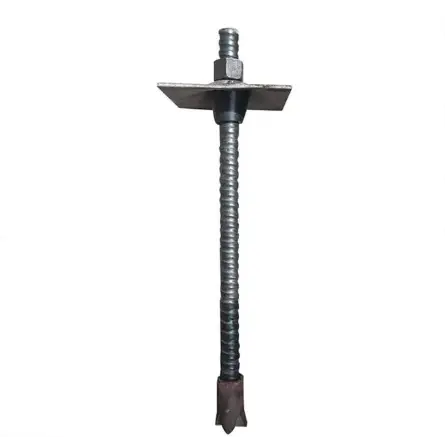
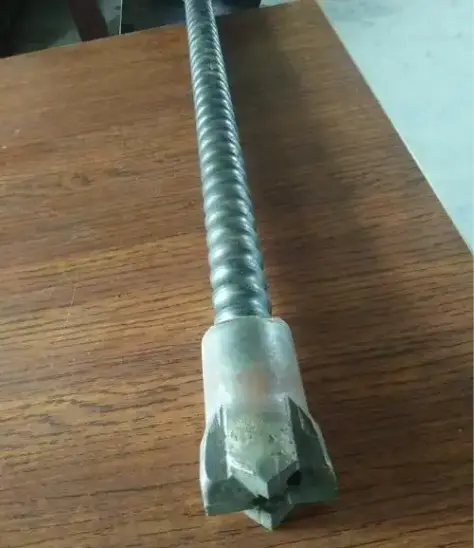
In fractured surrounding rock, weak strata, water-rich formations, and collapse-prone areas, data-driven support systems often identify higher risks of surrounding rock instability. In such conditions, the following product can be used Self-Drilling Hollow Grouting Rock Bolt.
The Self-Drilling Hollow Grouting Rock Bolt integrates drilling, anchoring, and grouting functions into one system. It is suitable for mining, tunneling, slope stabilization, and underground engineering support. Its hollow bar body can serve as a grouting channel, allowing grout to enter fractures in the surrounding rock and improve rock mass integrity and anchoring performance.
In a data-driven ground support system, this product can serve as an important execution component for complex ground support plans. When site data indicate fractured surrounding rock, poor borehole stability, or significant groundwater influence, self-drilling hollow grouting rock bolts can reduce the impact of borehole collapse and improve rock structure through grouting, providing more reliable reinforcement for deep mine roadways.
 |  |
|---|
Self-Drilling Hollow Grouting Rock Bolt
Construction Data Makes Rock Bolt Installation Quality More Controllable
The effectiveness of deep mine support depends not only on product performance but also on whether the installation process meets design requirements. Even with high-strength rock bolts, support performance may still be affected if hole position deviation is too large, hole depth is insufficient, anchorage length is inadequate, or grouting is incomplete.
Through digital construction management, mining companies can better understand the actual conditions of every row of bolts and every construction cycle. For example, drilling parameters can reflect changes in rock strata, grouting pressure and grout consumption can help determine fracture development, and bolt installation records can be used for later quality traceability.
The accumulation of these data helps mines move from single-point inspection to full-process management. Once abnormal support parameters are found in a certain area, managers can carry out review, reinforcement, or design adjustment in time instead of passively responding after obvious roadway deformation occurs.
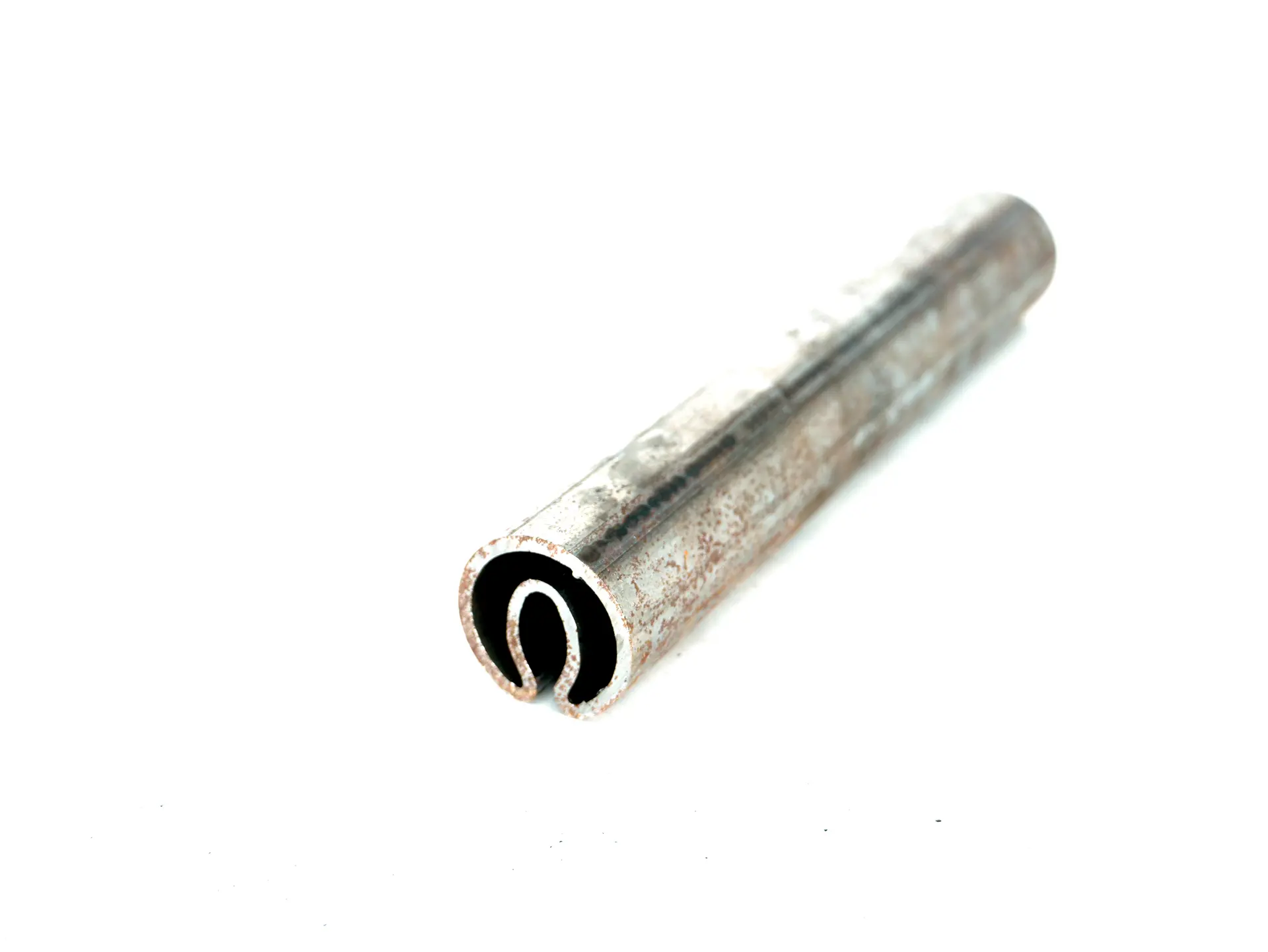
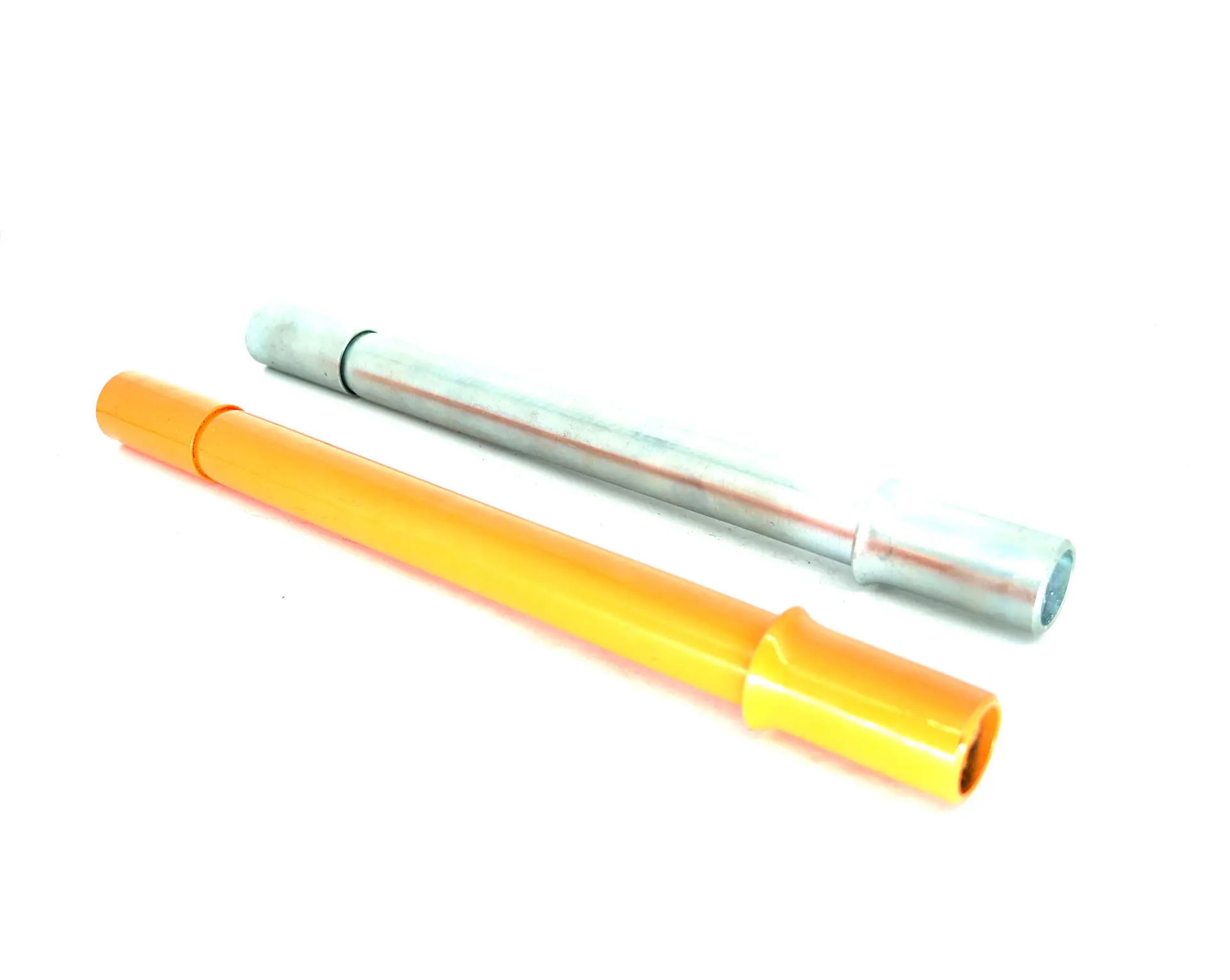
In roadways that require rapid support resistance, shorter surrounding rock exposure time, and improved primary support response speed, the following product can be used:Swellex Rock Bolt
The Swellex Rock Bolt expands under high-pressure water, allowing the bolt body to form close contact with the borehole wall and quickly establish anchoring force. This product is suitable for underground mining, tunneling, and fractured rock support applications.
In a data-driven support model, when monitoring data or construction feedback show that certain roadways require faster primary support response, the Swellex Rock Bolt can be an important choice for rapid support solutions. Its installation efficiency and immediate support characteristics help reduce surrounding rock exposure time and improve coordination between support construction and the excavation cycle.
 |  |
|---|
From Experience-Based Decisions to Dynamic Support Design
Traditional support methods often emphasize one-time design and on-site experience-based adjustment, while data-driven support places more emphasis on continuous feedback. As mining construction progresses, new surrounding rock information, support performance data, and monitoring results continue to enter the decision-making system, allowing support design to be optimized according to real working conditions.
For example, in stable surrounding rock areas, more economical and efficient support combinations can be used. In fractured zones, high-stress areas, or deformation concentration zones, mines can increase bolt density, extend anchorage length, strengthen grouting, or use higher-performance rock bolt products. This approach helps avoid insufficient support while reducing cost waste caused by excessive support.
For deep mines, this dynamic support design is highly significant. It improves safety while optimizing material use, reducing rework, lowering shutdown risks, and enhancing overall mine operating efficiency.
Data-Driven Support Promotes Mine Safety Management Upgrades
In the future, with the development of intelligent drilling rigs, automated bolting machines, sensor monitoring, 3D modeling, and digital mine platforms, ground support systems will become increasingly integrated into overall mine safety management systems.
Support data can be combined with geological models, mining plans, equipment operation data, and roadway deformation monitoring to help mining companies establish more proactive risk warning mechanisms. Managers can use data to identify high-risk areas, adjust support plans in advance, and closely monitor critical roadways.
This means that rock bolt support is no longer only a construction process on site. It is also becoming an important data source and risk control point within the mine safety production system.
Conclusion
The shift from traditional support to data-driven ground support marks an important upgrade in deep mine safety management. Facing high ground stress, complex surrounding rock, and dynamic disturbances, mining companies need to improve the reliability and adaptability of support systems through data collection, construction tracking, monitoring feedback, and dynamic design.
 |  |
|---|
Related News
Other news you might be interested in

Friction Rock Bolt Specifications: What Buyers Should Confirm Before Ordering
A friction rock bolt quotation is difficult to compare when it lists only a diameter, a length and a price. Buyers also need to know which product drawing applies, what is included, how the proposed bolt matches the drilling arrangement, and what the quoted performance figures actually describe.For mine engineers, technical buyers and ground-support distributors, the practical starting point is a clear specification package. This guide focuses on the slotted-tube friction bolt commonly described in product catalogues as a split set friction bolt. CQ Rockbolt lists this product family for underground mining and tunneling; the exact model and supply details should be confirmed against the current quotation.

Self-Drilling vs. Pre-Drilled Hollow-Core Rock Bolts: What Tunnel Contractors Should Confirm Before Ordering
Two quotations can describe threaded hollow rods, but still cover different installation tasks. One suggestion may be a self drilling system. Another possibility is to insert hollow bolts after drilling separate support holes.For tunnel contractors, this difference will affect the component list, equipment interfaces, and questions that need to be answered before purchase. The investigation of 'hollow anchor rods' alone leaves too much room for explanation.
Want to know more?
Get in touch with us for more information about our services and products.