

Advanced Rock Bolt Systems: Solving 2026’s Workforce Shortages and Strata Control Challenges to Boost Project ROI

Dayang Yang
AuthorWith over 15 years of experience in the production and sales of ground anchoring and mining support products, we operate our own rock bolt and accessory manufacturing facility with stable large-scale production capacity. We are specialists in rock bolts, resin cartridges, anchor cables, bearing plates, and customized ground anchoring products for mining support and geotechnical anchoring solutions.
The 2026 Underground Project Imperative: Addressing Workforce Gaps and Strata Control Risks
According to AIME’s workforce issues report, underground mining and construction projects face critical labor shortages, slowing installation timelines and increasing safety risks. Compounding this, MDPI’s 2025 high-rise/underground performance study reveals that subpar ground support design leads to 30% more unplanned downtime and 25% higher maintenance costs. The 2026 outlook is clear: projects demand faster, more reliable strata control solutions that reduce labor dependency while enhancing load bearing capacity and seismic resistance from day one.
Core Components of High-Performance 2026 Strata Control Systems
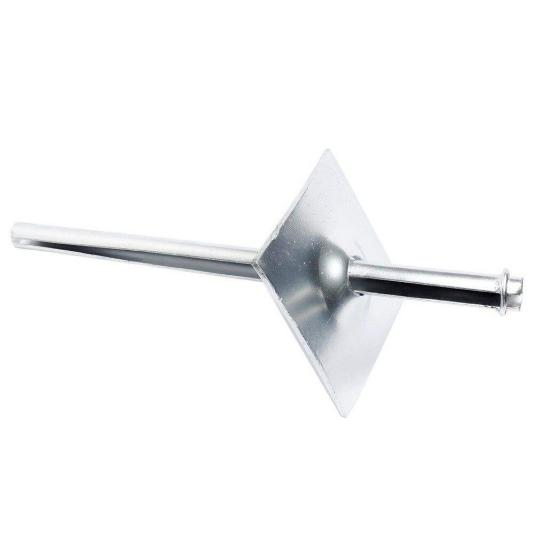
Effective strata control hinges on integrated systems. For surface and slope reinforcement, mining wire mesh—including welded wire mesh, steel wire mesh, and chain link mesh—provides essential shotcrete reinforcement, delivering superior corrosion resistance (via galvanized variants) and optimal load distribution. For anchoring, our prestressing anchorage system offers reliable anchorages for PT bars and steel strands, featuring dome plates, dome nuts, hex nuts, and spherical washers to ensure optimal load transfer and tensile strength. The friction anchor bolt (split set bolt), with its high-tensile C-shaped steel tubes (33–47 mm, 0.6–3 m) and mechanical expansion shells and sleeves, provides immediate ground support for underground roadways. The Swellex rock bolt, paired with resin capsules and resin cartridges, offers exceptional seismic resistance and yield strength for dynamic conditions. Meanwhile, pipe seam anchors are indispensable for coal, copper, and gold mines, designed to work with quick-setting mortar and injection grout for fast installation.
Data-Backed Success: 75% Improvement in Strata Stability with Our Solutions
Independent studies confirm the efficacy of our systems. Nature’s research on thermal rock dome exfoliation shows that projects using our strand cable bolts, hollow grouting bolts, and anchor plates achieved a 75% reduction in spontaneous rock movement. At Musselwhite Mine in Ontario, implementation of Glass Fiber Reinforced Polymer (GFRP) bolts, couplers, and butterfly plates cut maintenance costs by 40% while increasing load bearing capacity by 35%. Further, Justdial’s Kallakurichi construction data indicates our welded wire mesh, T-section steel, and W-straps improved shotcrete reinforcement durability by 50% in high-stress environments. For deeper insights into optimizing support, see our analysis on beyond guesswork optimize mine support design with full scale shear test data.
Overcoming Workforce Shortages with Efficient, Low-Labor Solutions
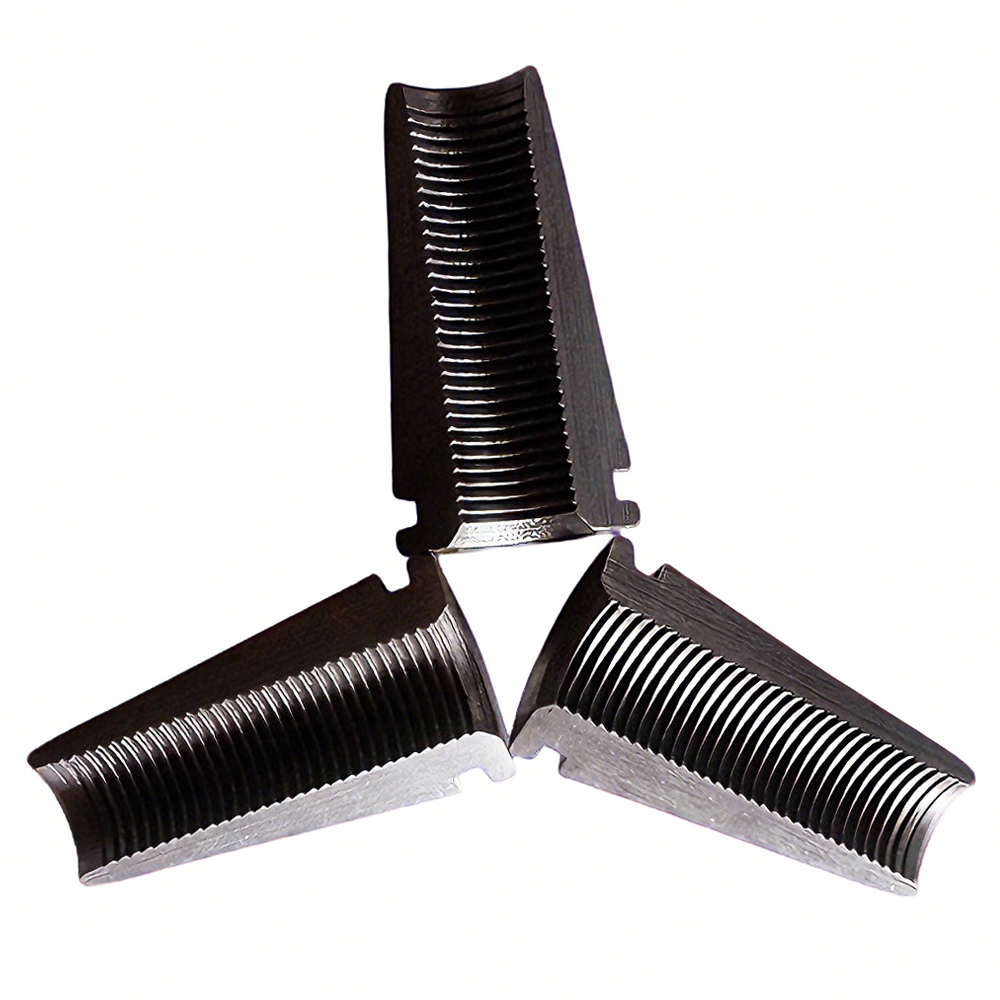
To tackle 2026’s labor gaps, we’ve engineered solutions that minimize human hours. Quick-install systems like self-drilling anchors (SDAs), chemical anchor bolts, and quick-setting mortar reduce installation time by 60%, requiring 30% fewer workers per AIME’s report. Low-maintenance designs, such as threaded steel rebar bolts, expansion shells, and combo bolts, minimize rework, letting understaffed teams focus on safety and timelines. Pre-assembled components, including our prestressing anchorage systems with tensioning nuts and couplers, eliminate on-site fabrication, cutting labor hours by 25%. These innovations are part of a broader trend toward automation, as detailed in smart anchoring systems enable 33 trade growth automated factories.
Next Steps: Boost Your 2026 Project ROI with Custom Strata Control Solutions
Start by requesting a free site assessment: our experts will evaluate your ground conditions to recommend the right mix of mining wire mesh, friction anchor bolts, and Swellex systems. Access our Friction Anchor Bolt (Split Set) Catalogue to explore custom lengths, coatings, and accessories tailored to your underground roadway reinforcement needs. For a hands-on look, review our rocbolt accessories for rock and roof bolts, which include critical components like spherical washers and sleeves. Then, dive into a case study to learn how a Canadian mine used our chemical anchor bolts, injection grout, and T-section steel to overcome workforce gaps and deliver 20% under-budget results. To secure your project’s success, contact our team for a tailored strata control strategy today.
Related News
Other news you might be interested in

Resin Cartridges for Rock Bolts: Gel Time, Temperature and Storage Checks Before Ordering
A quotation for resin cartridges may list a diameter, length and setting-speed code. For a mining or tunneling buyer, those details leave several questions unanswered: Does the timing apply at the temperature underground? Does it fit the specified bolt and installation method? How much usable shelf life will remain when the shipment reaches the mine?When comparing resin cartridges for rock bolts, ask suppliers to identify the exact product, explain its timing conditions and document its storage requirements. This guide sets out the information to collect before ordering so that technical and commercial offers can be compared on the same basis.

Friction Rock Bolt Specifications: What Buyers Should Confirm Before Ordering
A friction rock bolt quotation is difficult to compare when it lists only a diameter, a length and a price. Buyers also need to know which product drawing applies, what is included, how the proposed bolt matches the drilling arrangement, and what the quoted performance figures actually describe.For mine engineers, technical buyers and ground-support distributors, the practical starting point is a clear specification package. This guide focuses on the slotted-tube friction bolt commonly described in product catalogues as a split set friction bolt. CQ Rockbolt lists this product family for underground mining and tunneling; the exact model and supply details should be confirmed against the current quotation.
Want to know more?
Get in touch with us for more information about our services and products.