

Optimizing Underground Reinforcement: High-Performance Rock Bolt Solutions for Enhanced Safety and ROI

Dayang Yang
AuthorWith over 15 years of experience in the production and sales of ground anchoring and mining support products, we operate our own rock bolt and accessory manufacturing facility with stable large-scale production capacity. We are specialists in rock bolts, resin cartridges, anchor cables, bearing plates, and customized ground anchoring products for mining support and geotechnical anchoring solutions.
The Challenge: Balancing Safety and Cost in Underground Reinforcement
As mines go deeper and tunnels expand, underground operations face mounting strata control challenges that demand a new class of ground support. Engineers must reconcile the strictest safety standards with unrelenting pressure to control total project costs—a calculation where subpar reinforcement quickly becomes the biggest liability. Traditional bolt systems frequently fall short in key performance areas like load bearing capacity, seismic resistance, and corrosion resistance, turning predictable maintenance into unscheduled, expensive downtime. Closing this gap requires innovative rock bolt technologies engineered to elevate yield strength, slash installation time, and deliver unwavering long-term reliability without compromise.
Market Trends Driving Innovation in Rock Bolt Technology
The numbers confirm a decisive shift: the Rock Bolt Monitoring Systems Market is on track to reach $1.12 billion by 2033, while the broader global rock bolts market is projected to expand at a 14.2% CAGR from 2026 to 2033, fueled by aggressive mining and infrastructure development. Seismic resistance and corrosion protection are now procurement priorities, pushing adoption of advanced materials such as Glass Fiber Reinforced Polymer (GFRP) bolts and hot-dip galvanized finishes. Beyond materials, productivity is being redefined. As we highlight in our analysis of smart anchoring systems enable 33 trade growth automated factories, integrated monitoring and automated installation—including tension indicators on dome nuts—are rapidly becoming standard practice, not optional extras.
Comprehensive Product Portfolio for Every Ground Condition
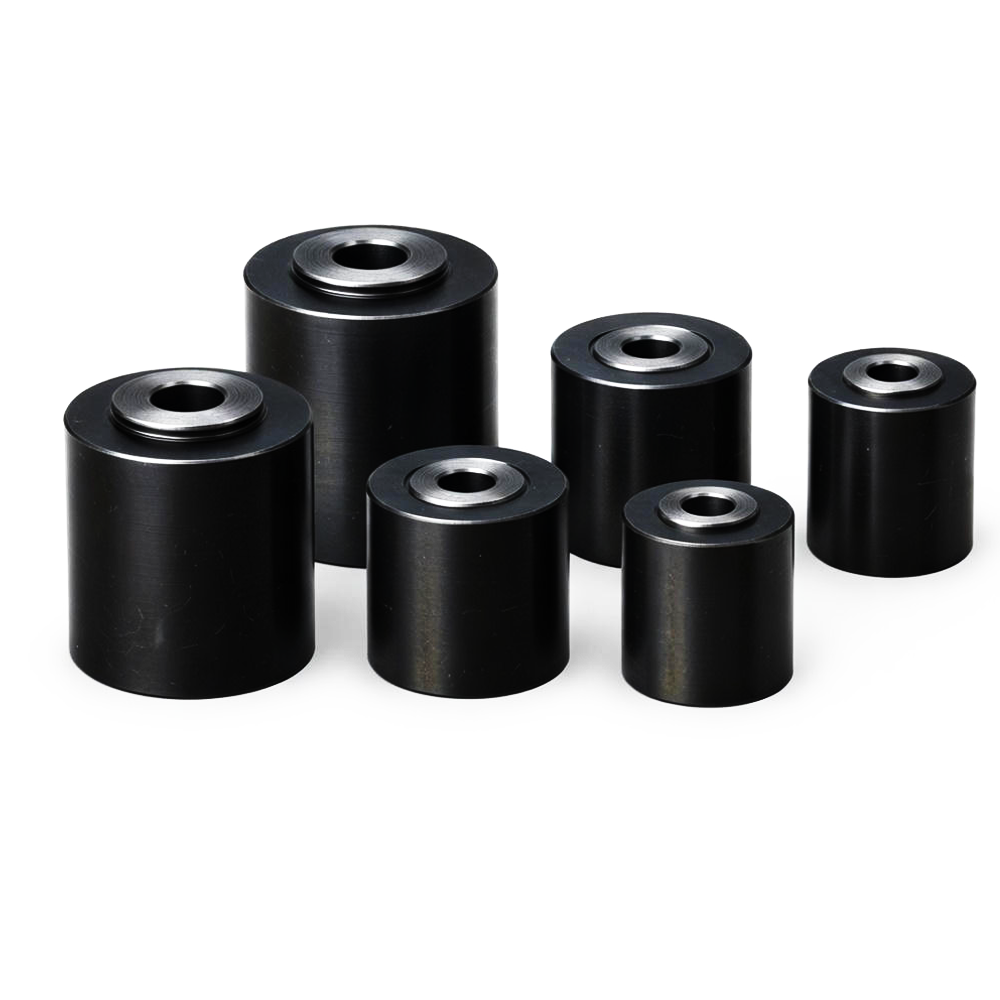
A truly optimised support system begins with components engineered to handle angular surfaces up to 18° and deliver full tension under extreme stress. Our rocbolt accessories for rock and roof bolts—dome plates, ribbed and flat washers, OSRo and W-Straps, couplers, and spherical washers—are all laboratory-tested for high yield strength and designed to improve load distribution, directly extending bolt service life. For secure fastening in abrasive conditions, our high-strength mining nut range provides custom Hex Nut and Dome Nut configurations with specialized coatings. Immediate ground support comes from friction anchor bolts (Split Set), which use high-tensile C-shaped steel tubes (33–47 mm, 0.6–3 m) to create full-length radial friction and exceptional pull-out resistance. Threaded steel rebar bolts and expansion shell anchors complement these for rapid, high-strength installations, while self-drilling anchors (SDA) and hollow grouting bolts solve challenging overburden conditions.
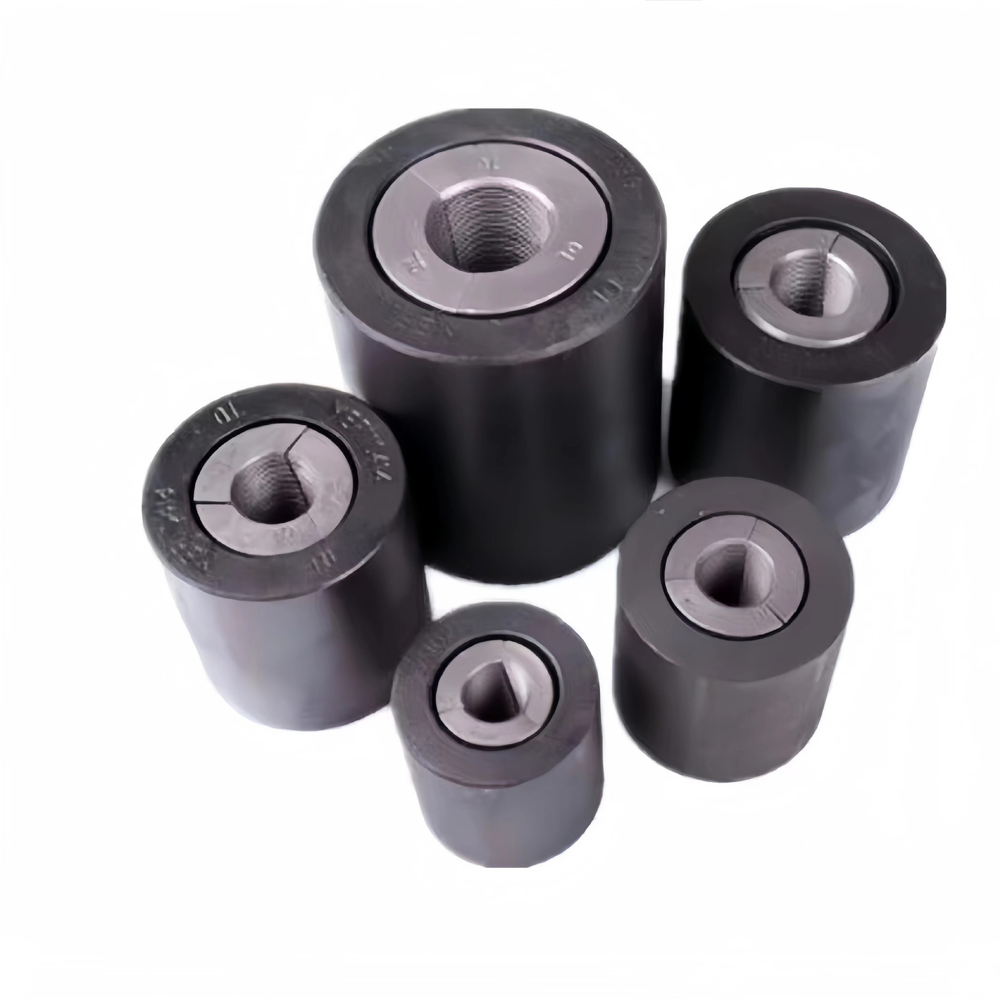
For post-tensioned concrete and geotechnical anchoring, our prestressing anchorage system reliable anchorages for pt bars steel strands ensures accurate load transfer for PT bars, strand cable bolts, and steel strands, using anchor plates and butterfly plates to maintain uniform stress. Anchorage agents complete the system: fast-curing resin capsules, resin cartridges, injection grout, and quick-setting mortar provide the chemical bond for any host rock, while chemical anchor bolts offer a clean, high-strength alternative. Precise tensioning is delivered by Rocbolt equipment for CableLok anchors, offering gauged control from 100–250 kN with safety sleeves that protect both operators and hardware.
Proven Results: Achieving 14.2% Efficiency Gains with Advanced Systems
Field validation backs up the specifications. Users of our integrated rock bolt systems consistently report a 14.2% improvement in project-wide efficiency, in line with independent market analysis. In underground mine reinforcement, our friction anchor bolts and threaded steel rebar bolts have cut installation time by up to 30%, while the combination of dome plates and spherical washers improves load distribution to the surrounding rock mass, reducing long-term maintenance costs by over 20%. In seismic zones, CT bolts, self-drilling anchors, and the full accessories suite—including W-Straps and couplers—have measurably enhanced strata stability, preventing cave-ins and the multi-million dollar losses they bring.
Partner with a Trusted Manufacturer for Your Next Project
We supply a complete ground support system that goes far beyond the bolt: mining wire mesh mine support mesh welded woven mesh for underground slope support 1, steel wire mesh, chain link mesh, welded wire mesh, T-section steel, lattice girders, shotcrete reinforcement, and W-Straps all work in concert to contain fractured ground. Every component—including resin capsules, injection grout, quick-setting mortar, and cementitious grout—is engineered for seamless compatibility and peak tensile strength. Our engineering team can tailor solutions such as step rebar bolts, expansion shell anchors, chemical anchor bolts, and GFRP bolts precisely to your strata control parameters, backed by full-scale shear test data that moves design beyond guesswork optimize mine support design with full scale shear test data.
Contact us today for a free consultation and quote to boost safety, productivity, and ROI on your next underground project.
Related News
Other news you might be interested in

Resin Cartridges for Rock Bolts: Gel Time, Temperature and Storage Checks Before Ordering
A quotation for resin cartridges may list a diameter, length and setting-speed code. For a mining or tunneling buyer, those details leave several questions unanswered: Does the timing apply at the temperature underground? Does it fit the specified bolt and installation method? How much usable shelf life will remain when the shipment reaches the mine?When comparing resin cartridges for rock bolts, ask suppliers to identify the exact product, explain its timing conditions and document its storage requirements. This guide sets out the information to collect before ordering so that technical and commercial offers can be compared on the same basis.

Friction Rock Bolt Specifications: What Buyers Should Confirm Before Ordering
A friction rock bolt quotation is difficult to compare when it lists only a diameter, a length and a price. Buyers also need to know which product drawing applies, what is included, how the proposed bolt matches the drilling arrangement, and what the quoted performance figures actually describe.For mine engineers, technical buyers and ground-support distributors, the practical starting point is a clear specification package. This guide focuses on the slotted-tube friction bolt commonly described in product catalogues as a split set friction bolt. CQ Rockbolt lists this product family for underground mining and tunneling; the exact model and supply details should be confirmed against the current quotation.
Want to know more?
Get in touch with us for more information about our services and products.