

Optimizing Underground Support: Advanced Rock Bolt Solutions for Mining and Tunneling

Dayang Yang
AuteurAvec plus de 15 ans d'expérience dans la production et la vente de produits d'ancrage géotechnique et de soutènement minier, nous exploitons notre propre usine de fabrication de boulons d'ancrage et d'accessoires avec une capacité de production à grande échelle stable. Nous sommes spécialistes des boulons d'ancrage, cartouches de résine, câbles d'ancrage, plaques d'appui et produits d'ancrage géotechnique sur mesure pour le soutènement minier et les solutions d'ancrage géotechnique.
Introduction: The Challenges of Modern Underground Excavation
Underground excavation is more challenging than ever. Traditional support systems, such as standard threaded steel rebar bolts, often fail prematurely from corrosion, quietly eroding load-bearing capacity and long-term strata control. Heavy steel assemblies and slow installation add costly hours to every cycle. Combined with unpredictable seismic events and inadequate site investigations, outdated ground support forces engineers to constantly upgrade designs for higher yield strength and better energy absorption. Every component—from anchor plates to resin cartridges—must now perform flawlessly under extreme conditions.
Industry Trends: The Shift Toward High‑Performance Ground Support
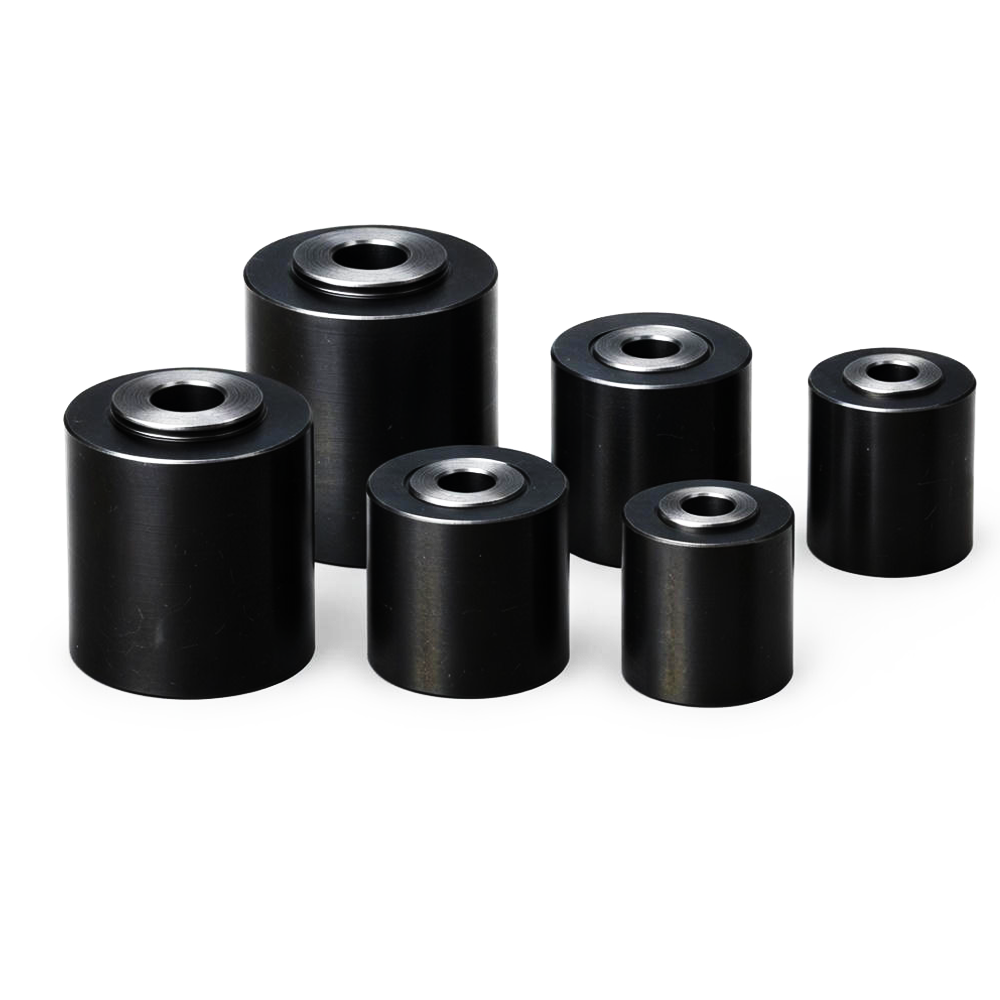
The industry is shifting toward high-performance ground support. Recent data from Applied Sciences (2024) confirms fully grouted rebar rock bolts remain essential, but manufacturers are enhancing them with corrosion-resistant alloys and advanced coatings. Deep-mine operators and tunnel builders now demand exceptional seismic resistance and tensile strength to withstand violent rock bursts. This has accelerated adoption of Glass Fiber Reinforced Polymer (GFRP) bolts in aggressive environments, while self-drilling hollow grouting bolts eliminate separate drilling steps, slashing installation time. Looking to 2026, automated quality control is set to transform production consistency—enabling smart anchoring systems that already drive 33% trade growth through automated factories. That precision now extends to the bolts themselves.
Key Solutions for Enhanced Ground Support
Fully Grouted Rock Bolts
At the core of modern strata control, threaded steel rebar bolts installed with resin capsules or high-flow injection grout provide rapid, reliable anchorage. Quick-setting mortar reaches full tensile strength in minutes, locking the bolt into the rock mass and distributing load through the dome plate and spherical washer. For critical applications, combine a resin cartridge with cementitious grout for a dual-stage bond, or use prestressing anchorage systems for PT bars and steel strands to actively tension and pre-compress the rock, dramatically increasing load-bearing capacity.
Friction Anchors
Where speed and immediate support are critical, friction rock bolts—also known as split-set or pipe seam anchors—excel. Driven into a slightly undersized borehole, they generate full-circumference friction for instant load acceptance. No resin or grout is needed, making them ideal for dynamic conditions in underground roadways, especially when paired with W-straps to stitch fractured rock before mesh installation.
Accessories for Optimal Performance
Even the highest-strength bolt underperforms without proper load transfer at the face. Domed plates and butterfly plates with integrated spherical washers accommodate surface irregularities up to 18°, preventing bending stress and failure. Tensioning nuts—whether dome nuts or hex nuts—must maintain tightness under vibration. A coupler allows splicing strand cable bolts for deep-hole anchors, while a protective sleeve shields threads during grouting. Explore our comprehensive range of rock bolt accessories engineered for rock and roof bolts.
Mesh and Straps
Rock bolts alone cannot control small-block ravelling. An integrated system combining chain link mesh, welded wire mesh, and high-tensile steel wire mesh with T-section and W-straps creates a continuous skin reinforcing the rock mass between support points. In heavily fractured zones, mining wire mesh solutions, including welded and woven variants, deliver proven underground slope support by catching loose blocks and redistributing load across the bolt-plate assembly.
Advanced Anchoring Systems
For large-scale geotechnical anchoring—like dam abutments or deep shaft-head frames—prestressing anchorage systems offer unmatched reliability. These systems transfer immense loads through couplers, wedges, and trumpet-shaped anchor plates, securing multi-strand cable bolts in high-capacity configurations. Chemical anchor bolts and resin cartridge systems provide corrosion-resistant bonding even in water-saturated ground, while hollow grouting bolts allow simultaneous drilling and grouting, cutting cycle times in half.
Swellex Rock Bolts
Water-inflatable Swellex bolts expand to fill irregular borehole profiles, delivering high shear resistance and immediate load capacity without chemicals. Custom lengths and diameters adapt to any geology, making them ideal for temporary or permanent support where seismic resistance and rapid deployment are critical.
Proven Results: Case Study in Rock Slope Stabilization

At a former quarry turned critical infrastructure corridor, engineers faced a dangerously deteriorated rock slope. By combining high-yield-strength rock bolts (utilizing galvanized steel with a dome nut and butterfly plate assembly), steel wire mesh, and shotcrete reinforcement, the team raised the overall load-bearing capacity by over 30%. Galvanized components resisted acid drainage, eliminating corrosion-driven degradation. Installation sped up by 40% thanks to pre-assembled resin cartridge units and rapid-set injection grout. The result: a durable, low-maintenance support system that withstood subsequent seismic events without a single bolt failure. Moving beyond guesswork by using full-scale shear test data was key to dialing in the exact bolt length, spacing, and plate geometry—an approach any large-scale excavation should emulate.
Conclusion: Partner with Experts for Tailored Rock Bolt Solutions
From threaded steel rebar bolts and friction anchors to advanced Glass Fiber Reinforced Polymer (GFRP) bolts and Swellex systems, today’s ground support toolkit is immense. Whether you specify a resin cartridge for corrosive strata, upgrade to a prefabricated hollow grouting bolt with quick-setting mortar, or engineer a strand cable bolt with a specialized coupler and anchor plate, every detail matters. Our product line covers standard rock bolt accessories through to fully custom self-drilling anchors and chemical anchor bolts—all designed to maximize tensile strength, yield strength, and seismic resistance without compromise. Contact us today to discuss your project challenges and receive a free consultation on optimizing your underground support system for maximum productivity and safety.
Related News
Other news you might be interested in

Comment choisir un fabricant fiable de systèmes d'ancrage autoforeurs
Dans les projets de mines souterraines, de tunnels, de stabilisation de pentes, de soutènement d'excavations profondes et de renforcement de fondations, les conditions de terrain complexes déterminent souvent la difficulté de la solution de soutènement. Dans les sols meubles, les roches fracturées, les massifs rocheux altérés ou les formations aquifères, les trous pré-forés conventionnels peuvent s'effondrer, se bloquer ou perdre leur stabilité. En combinant le forage, l'ancrage et l'injection en un seul processus, un système d'ancrage autoforeur est devenu une solution importante en géotechnique. Cependant, choisir le bon ancrage autoforeur n'est que la première étape. La capacité d'un fabricant à fournir de manière constante des barres filetées creuses compatibles, des trépans sacrificiels, des coupleurs, des plaques d'appui, des écrous et des accessoires d'injection, tout en comprenant les exigences réelles de soutènement du sol, affecte directement l'efficacité de l'installation, la qualité de l'ancrage et la sécurité du projet.

Guide complet pour l'installation des boulons d'ancrage : étape par étape
Un système de soutènement fiable n'est pas complet simplement parce que le forage a atteint la profondeur prévue. L'état du trou de forage, la compatibilité entre le boulon et les accessoires, les procédures correctes d'injection ou d'ancrage, ainsi que les enregistrements d'installation traçables, influencent tous les performances finales de soutènement. Pour les équipes d'installation, une perte de contrôle à n'importe quelle étape peut perturber les opérations ultérieures. Pour les chefs de projet et les équipes d'approvisionnement, la compatibilité du système et les enregistrements de processus sont tout aussi importants.
Want to know more?
Get in touch with us for more information about our services and products.