

Demand for Corrosion-Resistant Rock Bolts Continues to Grow as Deep Mining Projects Drive Longer-Life Ground Support Systems

Dayang Yang
AuthorWith over 15 years of experience in the production and sales of ground anchoring and mining support products, we operate our own rock bolt and accessory manufacturing facility with stable large-scale production capacity. We are specialists in rock bolts, resin cartridges, anchor cables, bearing plates, and customized ground anchoring products for mining support and geotechnical anchoring solutions.
Corrosion Has Become a Key Challenge for Long-Term Support
In deep mines and underground tunneling projects, rock bolts are exposed for long periods to humid, enclosed, high-pressure, and chemically complex environments. Acidic substances, salts, sulfides, and other corrosive media in groundwater can accelerate surface corrosion of steel. Once serious corrosion occurs, the effective load-bearing section of the rock bolt gradually decreases, and the anchoring capacity may also decline, affecting the stability of the entire support system.
For mining companies, bolt corrosion is not only a material issue, but also a potential safety and cost issue. If a support system fails prematurely, companies may need frequent roadway repairs, reinforcement work, or production shutdowns for maintenance. This increases labor and material costs while also disrupting normal mining operations. Therefore, in mining areas with high humidity, fractured rock masses, or corrosive groundwater, corrosion-resistant rock bolts are becoming a more practical and valuable choice.
Demand for Corrosion-Resistant Rock Bolts Continues to Rise
Common corrosion protection methods in the industry include hot-dip galvanizing, epoxy coating, anti-corrosion coating, and the use of higher-grade steel materials. By improving the surface protection of rock bolts, corrosion can be delayed effectively, allowing the bolts to maintain more stable mechanical performance during long-term service.
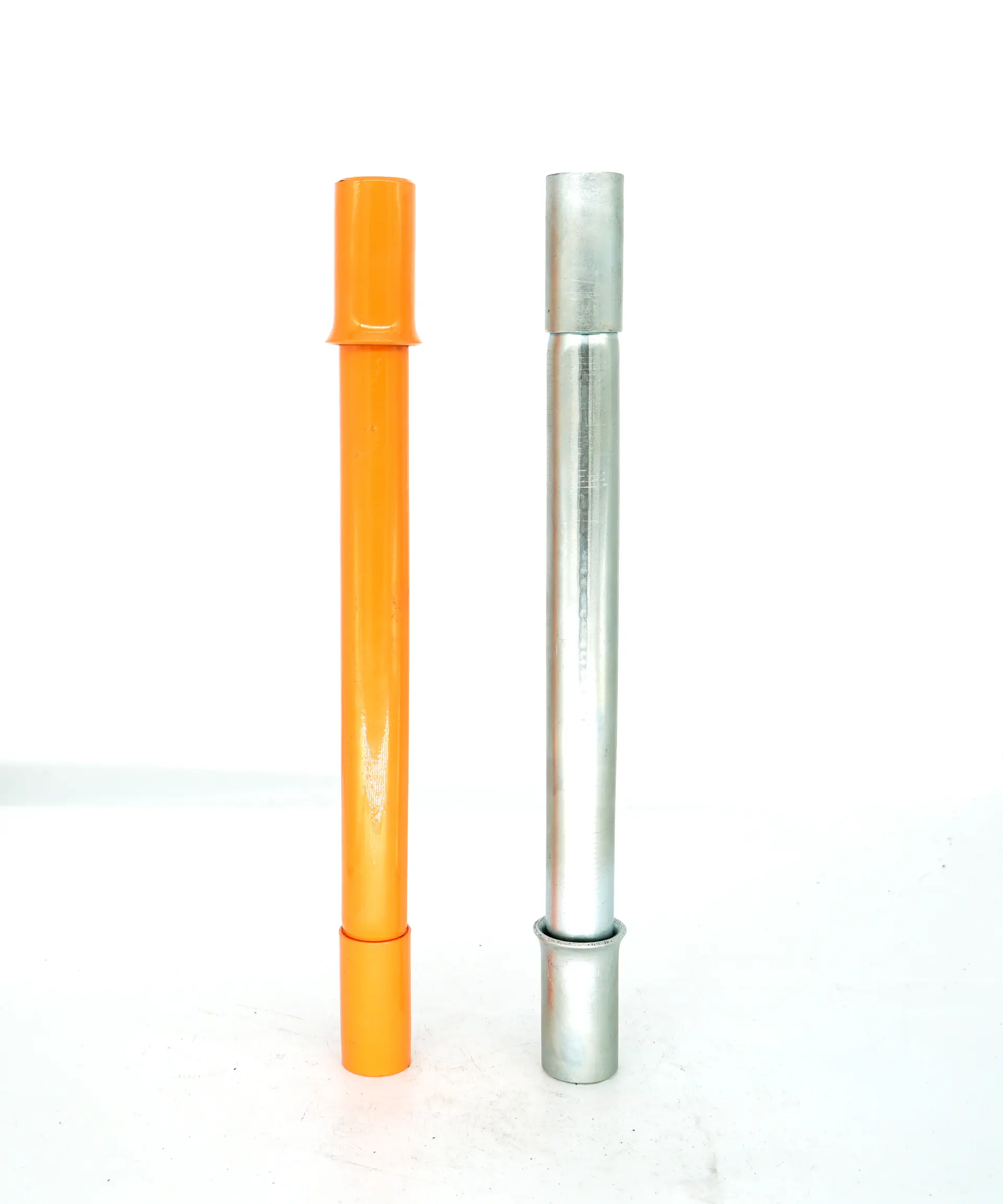
In some deep metal mines, coal mines, tunnels, and underground caverns, contractors increasingly prefer rock bolt products that can be customized according to working conditions. For example, in humid and fractured rock environments, CQ Rockbolt’s Swellex Rock Bolt - Expandable Bolts for Mining & Tunneling uses hydraulic expansion to achieve anchoring, allowing the bolt to form close contact with the borehole wall. It is suitable for underground mining, tunnel construction, and unstable rock support. For more corrosive environments, this type of expandable rock bolt can also be supplied with galvanized or epoxy-coated surfaces according to project requirements, helping improve long-term support reliability.
 |
|---|
Efficient Installation Also Affects Project Safety
In addition to corrosion resistance, installation efficiency is another important factor in deep mining projects. Underground working spaces are limited, construction conditions are complex, and the longer workers remain exposed in unsupported areas, the higher the safety risk. Therefore, bolt systems that can be installed quickly and develop load-bearing capacity in time are receiving more attention from contractors and mine operators.
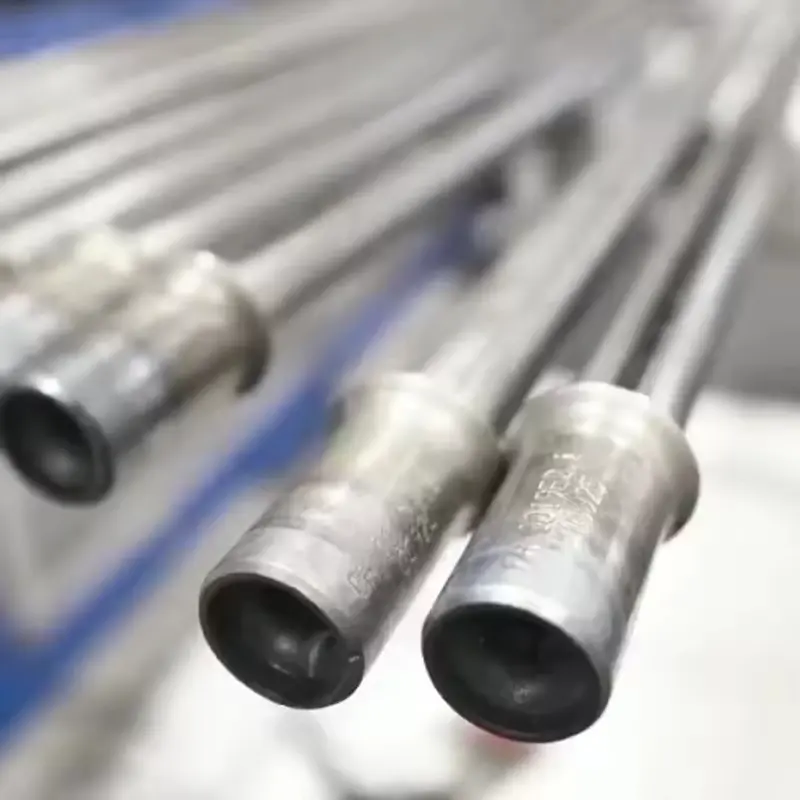
In fault fracture zones, weak surrounding rock, and unstable roof areas, rock bolts need to provide support as quickly as possible to help control rock deformation and reduce the risk of local collapse. CQ Rockbolt’s Hydraulic Expansion Rock Bolt - An Efficient Solution for Mine Support achieves anchoring through hydraulic expansion and is suitable for mine roadway support, stope roof reinforcement, and surrounding rock stability control under complex geological conditions. Its optional galvanized surface treatment also enables better performance in humid mining areas and long-term support applications.
 |
|---|
Full Life-Cycle Cost Is Becoming a Key Purchasing Factor
From the perspective of industry procurement trends, mining companies are shifting their evaluation of rock bolt products from “low-price purchasing” to “total value purchasing.” Whether a rock bolt is worth selecting depends not only on its initial purchase cost, but also on whether it can reduce repair frequency, lower shutdown risk, shorten installation time, and improve the stability of the support system.
For deep mining projects, corrosion-resistant rock bolts may have a higher upfront cost than ordinary bolts. However, if they can extend support life, reduce replacement frequency, and lower maintenance intensity, they often provide stronger overall economic value. This is especially true for large-scale mines and long-term operating projects, where support system stability directly affects production continuity and safety management.
Conclusion
Overall, deep mining, complex geological environments, and stricter safety requirements are driving rock support products toward higher strength, better corrosion resistance, faster installation, and longer service life. Corrosion-resistant rock bolts are no longer just an additional choice for special working conditions; they are becoming a core support configuration for more underground engineering projects.
Related News
Other news you might be interested in

Coal Mine Roadway Support Systems: How Rock Bolts, W-Straps, Mesh and Cable Bolts Work Together
Coal mine roadways are essential to safe, continuous underground operations. Their stability can be affected by changing geological conditions, mining-induced stress and excavation activity. As ground-control research increasingly focuses on the overall coordination and monitoring of support systems, rock bolts, W-straps, mesh and cable bolts should not be viewed as isolated components, but as elements that work together under site-specific mine conditions. This article explores their complementary roles in coal mine roadway support, while recognizing that support designs must be based on the conditions of each mine.

Five Major Advantages of Self-Drilling Anchors in Engineering Applications
In weak ground, fractured rock, loose soil, or rock masses with numerous joints, boreholes may narrow, shed material, or collapse. This can make it difficult to insert the anchor bar and may also affect subsequent grouting. Groundwater and changing strata add further uncertainty to construction.
Want to know more?
Get in touch with us for more information about our services and products.