As underground mining operations continue to move deeper, construction sites are facing multiple challenges, including high ground stress, complex surrounding rock conditions, ventilation pressure, and labor shortages. Traditional diesel-powered equipment and manual ground support methods are gradually becoming less suitable for modern mine construction due to limitations in productivity, working conditions, installation accuracy, and safety management.
In recent years, the electrification and automation of ground support equipment have been accelerating. Through electric drive systems, remote control, automated drilling, intelligent positioning, and construction data collection, these technologies improve the continuity and standardization of rock bolt installation. At the same time, high-performance rock bolt products that are compatible with mechanized construction have become an important part of improving underground mining efficiency and support quality.
Underground mine roadways typically involve multiple processes, including drilling, blasting, mucking, rock bolt installation, mesh installation, and shotcrete application. Ground support construction is an important link between excavation and subsequent roadway development, and its efficiency directly affects the progress of the entire mining cycle.
As mines become deeper, roadway sections, surrounding rock conditions, and construction distances continue to change. On-site teams often face the following challenges:
As these factors become more significant, mining companies are paying greater attention to the electrification and automation of ground support equipment. The goal is to reduce reliance on manual operations and increase the amount of effective support completed within each work cycle.
The first major benefit of electrifying ground support equipment is the improvement of underground working conditions. Traditional diesel-powered equipment produces exhaust gases, heat, and noise during operation. Mines must use greater ventilation capacity to remove harmful gases and control local temperatures.
Electric or battery-powered ground support equipment can reduce emissions produced by diesel combustion, helping lower local ventilation and cooling requirements. For deep mines and long-distance roadways, this can improve air quality in working areas and reduce part of the operating load on ventilation systems.
In addition, electric equipment is generally easier to integrate with sensors, control systems, and data collection modules. Operating parameters, drilling depth, feed pressure, drilling speed, and rock bolt installation data can be recorded through digital systems. This information can support construction quality tracking and future optimization of ground support designs.
It is important to note that electrification is not simply a matter of replacing diesel power with electric power. Mining companies also need to consider underground power capacity, battery charging and replacement facilities, equipment operating time, maintenance systems, and explosion-proof safety requirements in order to achieve the full benefits of electrified equipment.
In traditional ground support operations, drilling angle, hole depth, bolt layout, and installation quality often depend heavily on operator experience. The application of automation technology allows equipment to perform repetitive tasks according to preset parameters, reducing differences between crews and shifts.
Modern automated ground support equipment can typically provide the following functions:
These functions help stabilize the pace of support construction and allow rock bolt installation to better match the excavation cycle. When equipment, rock bolt products, and construction methods work together, waiting time, rework, and repetitive operations can be reduced.
In high-risk areas, remote control and automated operation can also reduce the amount of time workers are exposed to the working face, fractured surrounding rock, or areas with potential roof fall hazards. This further improves on-site safety management.
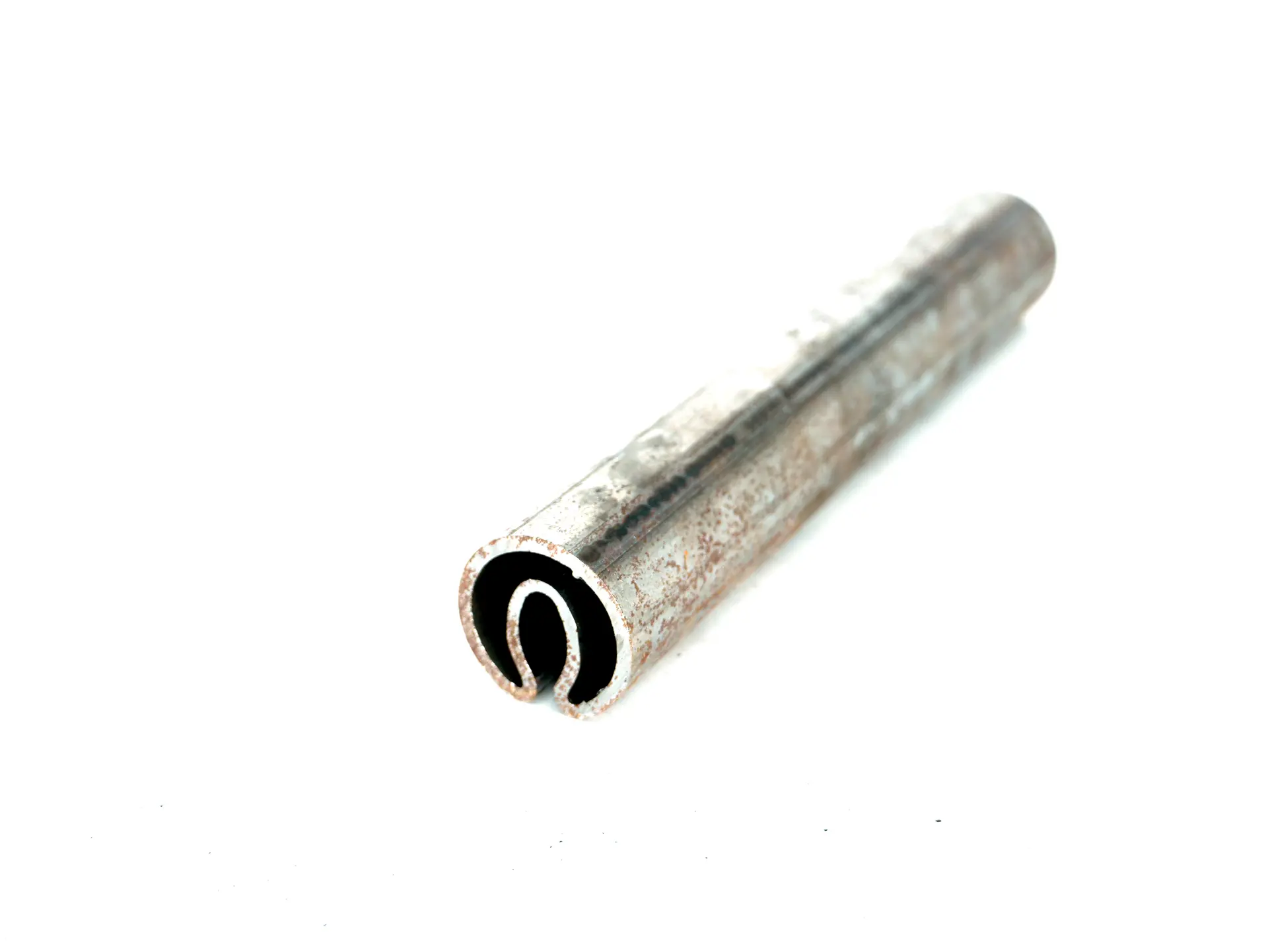
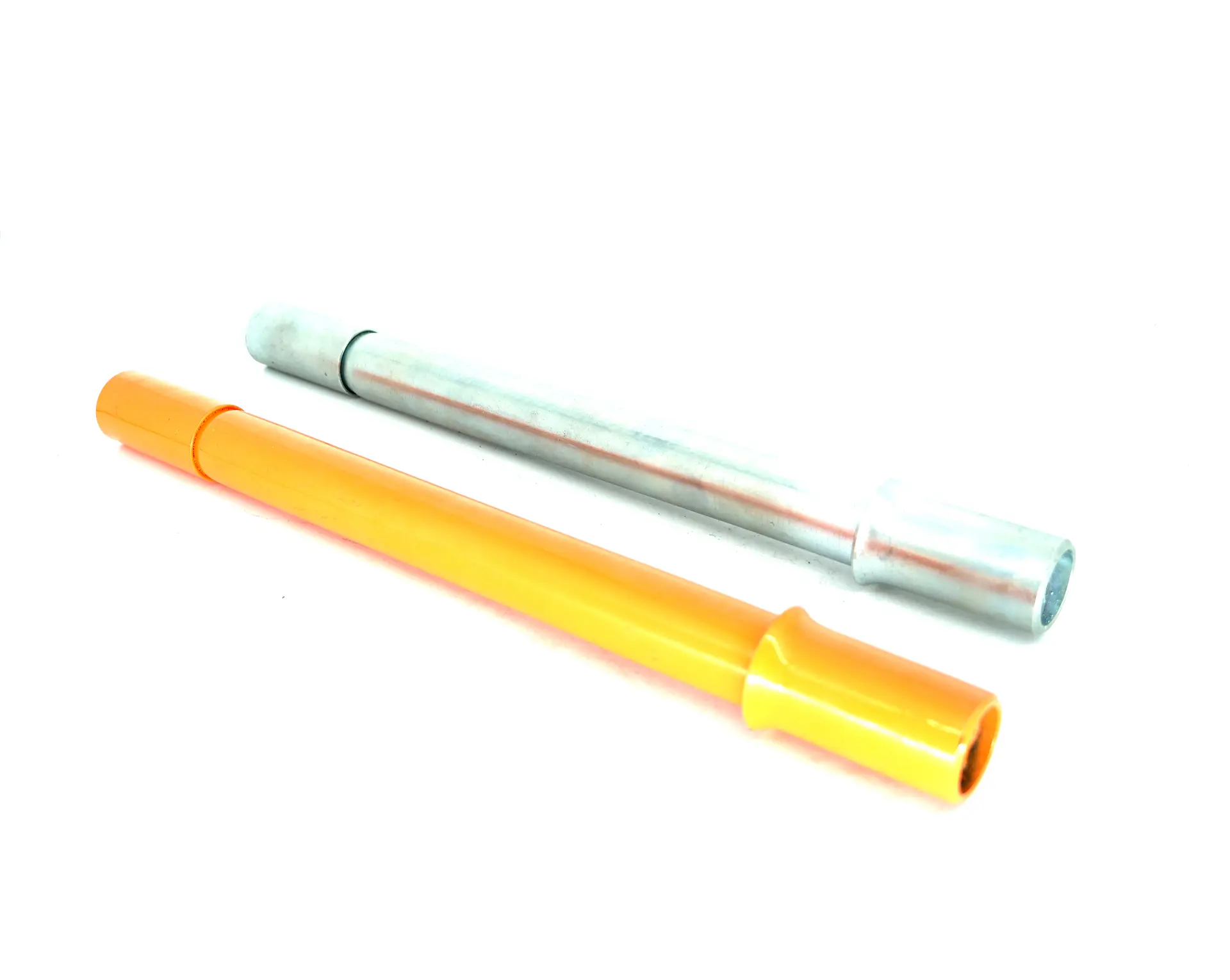
For underground mining and tunneling projects that require rapid installation and the quick development of support resistance, the Swellex Rock Bolt can be considered.
The Swellex Rock Bolt expands under high-pressure water, allowing the bolt tube to maintain close contact with the borehole wall and quickly develop anchoring action. When used together with mechanized ground support equipment, this product is suitable for construction environments that require shorter installation times and faster primary support response.
In fractured rock, jointed ground, or roadways with limited construction windows, rapid support development helps reduce the time that surrounding rock remains exposed. In continuous excavation operations, rock bolt installation speed and support response time are important factors influencing the overall construction cycle. The Swellex Rock Bolt can serve as one product option within a mechanized ground support process.
![]() | ![]() |
|---|
As ground support equipment becomes more automated, the dimensional consistency, connection reliability, and batch stability of rock bolt products become increasingly important. Automated equipment must complete handling, positioning, installation, or grouting according to preset parameters. Significant variations in product specifications may affect equipment recognition, installation rhythm, and final construction quality.
For this reason, equipment upgrades usually need to be implemented alongside rock bolt product upgrades. When purchasing ground support products, mining companies need to evaluate more than tensile strength and price. Important considerations include:
Only when the equipment and rock bolt products are properly matched can automated construction develop from simple equipment operation into a process with controlled and verifiable support quality.
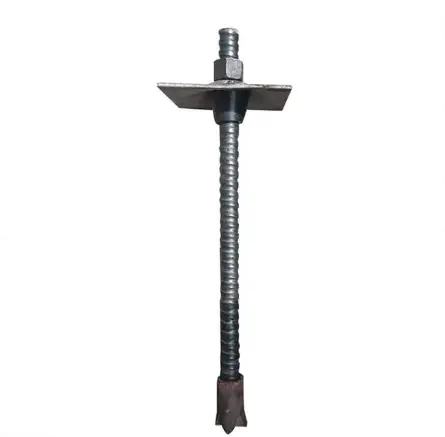
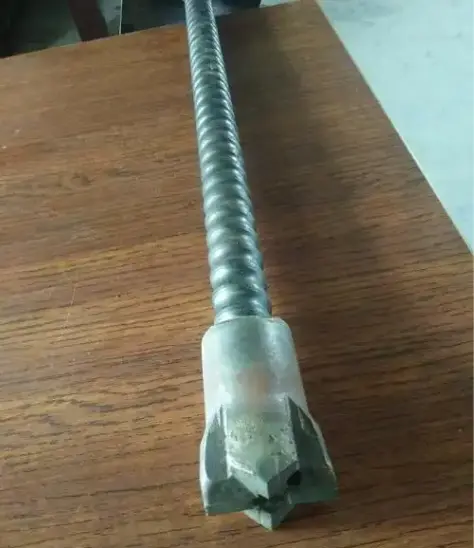
For soft, fractured, unstable, or water-bearing formations, the Self-Drilling Hollow Grouting Rock Bolt can be used.
The Self-Drilling Hollow Grouting Rock Bolt combines drilling, anchoring, and grouting functions in one system. During construction, the bolt itself can serve as the drill rod. Grout is then delivered through the hollow bar into surrounding rock fractures and the area around the borehole, improving rock mass integrity and anchoring performance.
For automated or mechanized ground support construction, this integrated structure can reduce processes such as repeated rod changes, drill rod removal, and separate bolt installation. It is particularly suitable for complex formations where conventional boreholes are prone to collapse. In mine roadways, tunnels, slopes, and underground chambers, this product can help improve support continuity and reduce the impact of difficult geological conditions on the construction cycle.
![]() | ![]() |
|---|
Self-Drilling Hollow Grouting Rock Bolt
Once ground support equipment has been electrified and automated, construction sites can collect more process data. These data can be used not only to determine whether equipment is operating properly but also to analyze rock bolt installation quality and surrounding rock behavior.
For example, sudden changes in drilling pressure may indicate a change in rock type or the presence of a fractured zone. Changes in drilling speed and torque may suggest variations in geological structure. Information about the number, location, and installation time of rock bolts can be used to verify whether the support design has been properly implemented.
When these data are combined with geological logging, surrounding rock monitoring, and roadway deformation measurements, mining companies can gradually establish a more complete ground support quality management system. Ground support construction can move from manual inspection after installation toward real-time recording and anomaly identification during construction.
This provides a foundation for predictive maintenance and dynamic support design. Mine managers can adjust support parameters according to site data instead of waiting until significant surrounding rock deformation occurs before taking reinforcement measures.
Although electrification and automation can improve ground support efficiency, their wider adoption still requires mining companies to address equipment costs, underground infrastructure, operator training, and maintenance capabilities. In remote mining areas or older mines, power systems, communication networks, and roadway dimensions may not immediately meet the requirements of new equipment.
In addition, automated equipment cannot completely replace engineering judgment. Complex geological formations, fault zones, and unexpected ground conditions still require comprehensive analysis by geological, mining, and ground support engineers. A more practical approach is to allow equipment to handle repetitive, hazardous, and physically demanding tasks while qualified personnel remain responsible for parameter settings, site decisions, and quality verification.
The electrification and automation of ground support equipment are changing the organization of underground roadway construction and the way support quality is managed. Electrified equipment helps improve underground working conditions, while automated systems enhance the continuity, accuracy, and traceability of drilling and rock bolt installation.
As deep mining, complex ground conditions, and rising labor costs continue to influence the industry, mining companies will place greater emphasis on coordination between equipment, rock bolt products, and digital management systems. In the future, the use of ground support products such as Swellex Rock Bolts and Self-Drilling Hollow Grouting Rock Bolts, together with intelligent drilling, remote operation, and construction data analysis, is expected to further improve the efficiency, safety, and long-term operating performance of underground mines.
![]() | ![]() |
|---|
您可能感兴趣的其他资讯

随着采矿作业不断深入地下,高地应力、强烈的采矿扰动和岩爆风险日益突出。传统的刚性支撑系统可能面临变形能力不足、局部失效或支撑系统在突然的动态载荷下损坏等问题。为了提高深部地下巷道的稳定性和安全性,具有屈服、变形协调和能量吸收能力的锚杆支护系统越来越受到采矿项目的关注。吸能锚杆和相关支护产品的应用不仅有助于减少岩爆对巷道稳定性的影响,而且促进了地下矿山支护技术向更高强度、更高韧性和更系统设计的方向发展。

了解先进的锚杆支护解决方案(从高强度部件到数据驱动设计)如何提高地下采矿和隧道作业的安全性并降低成本。
Get in touch with us for more information about our services and products.